

It’s easy to feel lost and overwhelmed when anxious feelings start to take over.

You might wonder, "What is happening to me?" or "How can I ever make this stop?" The truth is, anxiety can feel like a big, confusing problem, making it hard to know where to even begin with finding relief. That’s why having clear, simple steps to manage it is so important, especially for those new to understanding and tackling their anxiety.
Simple strategies matter because they help you focus on small, doable actions instead of feeling swamped by a big problem. Learning how to help anxiety doesn’t have to be complicated. Even short, focused approaches can make a real difference in reducing anxious feelings, as studies have shown that online therapist-guided treatments can lead to big drops in anxiety and sadness An online therapist-guided ultra-brief treatment for depression and anxiety. This article will show you practical ways to begin learning how to treat anxiety, offering real, immediate relief tactics. You’ll find easy-to-understand tools to help you stop worrying and start anxiety management step-by-step strategies that really work, helping you move towards overcoming fear and finding your calm.
We’ll explore practices that are backed by science and also guide you on when it’s a good idea to seek more help from a professional.
What anxiety is (and what it’s not)
Now that you know how simple steps can help, let’s look at what anxiety actually is. Think of anxiety as your body’s built-in alarm system. It’s that uneasy feeling or worry you get about what might happen next. Sometimes, this alarm system is really helpful. It can warn you about real dangers, like a car coming too fast. But for many people, the alarm goes off even when there’s no real danger. This is where learning how to help anxiety becomes very important.
The American Psychological Association says that anxiety is a feeling of being tense, having worried thoughts, and feeling changes in your body, like a racing heart.
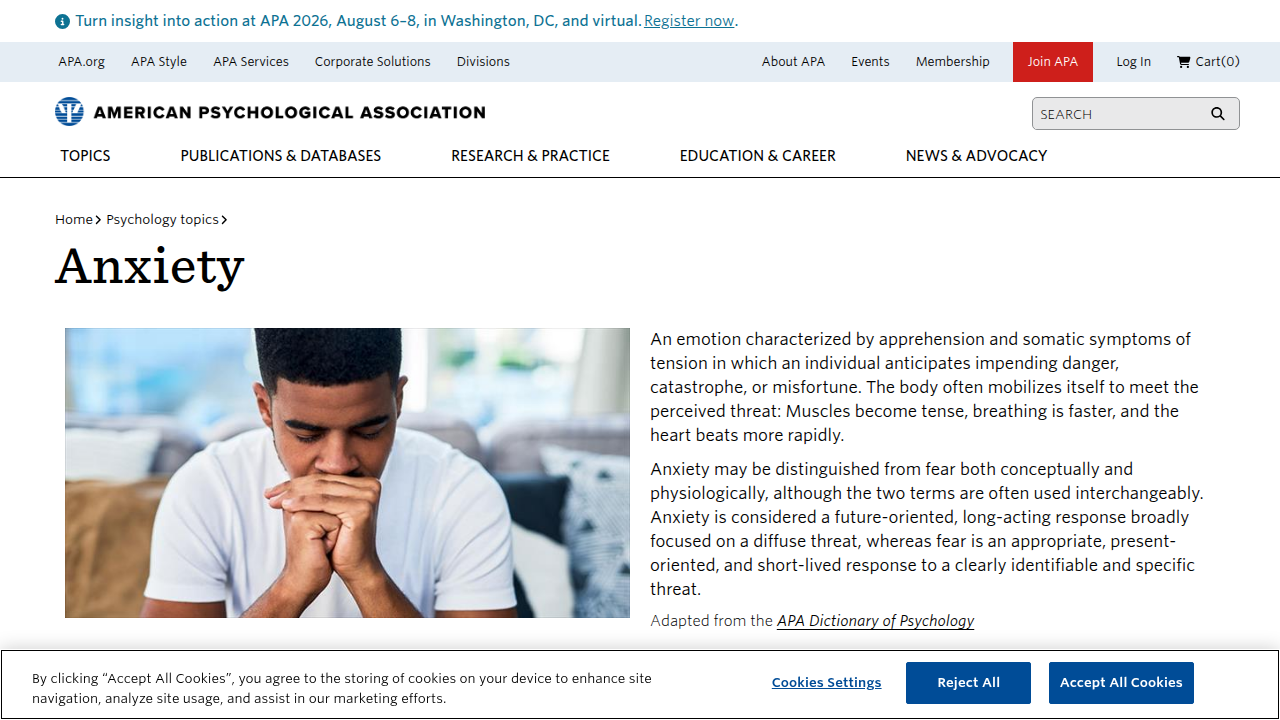
It’s usually about something you think might happen in the future, often something bad Anxiety – American Psychological Association. It’s very closely linked to fear, and it shows up as a mix of thoughts, feelings, body reactions, and how you act Anxiety – StatPearls – NCBI Bookshelf – NIH.
So, what does anxiety feel like in your body?
- A fast heartbeat or feeling like your heart is pounding.
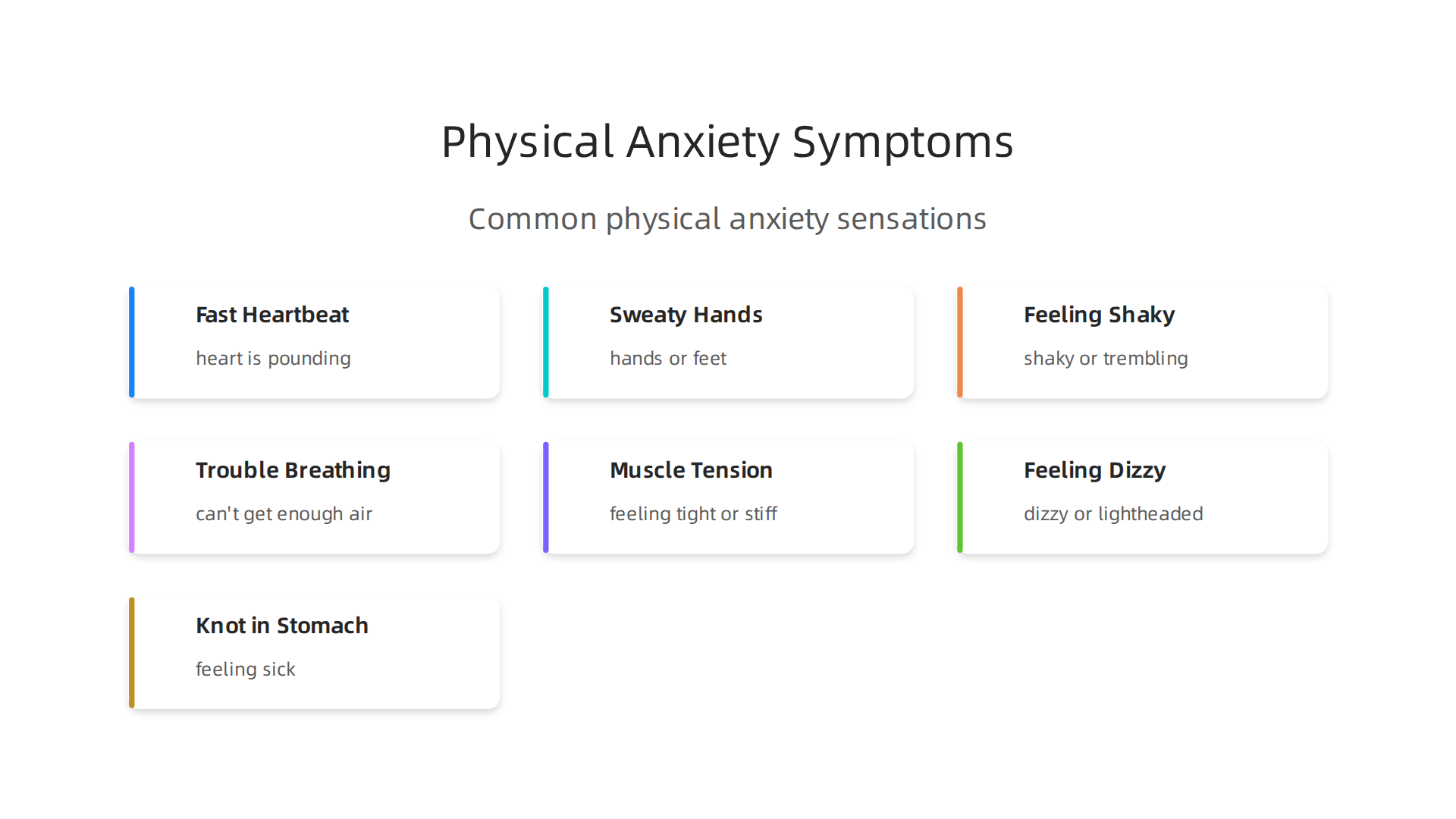
- Sweaty hands or feet.
- Feeling shaky or trembling.
- Trouble breathing, like you can’t get enough air.
- Muscle tension, feeling tight or stiff.
- Feeling dizzy or lightheaded.
- A knot in your stomach or feeling sick.
On the inside, you might have lots of worried thoughts, find it hard to focus, or feel very restless. You might even find yourself trying to avoid certain places or people because of these feelings. If you want to dive deeper into these feelings, we have a helpful guide on what anxiety feels like a nonjudgmental guide to symptoms and coping strategies.
Anxiety is Different from Everyday Stress
Here’s the thing: everyone feels stress. Stress usually happens because of a specific problem, like a big test or a tight deadline at work. When that problem is over, the stress often goes away too. It’s a normal reaction to hard situations. For example, if you’re dealing with acute stress disorder symptoms causes and how to cope, those feelings are often tied to a specific traumatic event.
Anxiety is a bit different. While stress is a response to a clear event, anxiety can hang around even when there’s no obvious reason for it. It’s often about worrying about things that might happen, not just what is happening right now. It can make you feel worried or fearful for long periods, or even when you don’t know what you’re worried about Clinical features and genetic mechanisms of anxiety, fear … – Nature. This is a key difference when you’re thinking about [how to treat anxiety] and [how to stop worrying].
Triggers and Your Body’s Alarm System
What makes your anxiety alarm go off? These are called "triggers." A trigger could be anything that makes your brain think there’s danger. It might be a certain situation, a memory, or even a specific thought. For example, public speaking might trigger anxiety for some, while for others, it could be simply reading news headlines.
When your brain thinks there’s danger, it kicks off something called the "fight-or-flight" response. This is a very old part of our brain that’s supposed to keep us safe. It makes your body ready to either fight the danger or run away from it. That’s why your heart might race and you might feel shaky. It’s your body getting ready to act! But in anxiety, this response can happen too often or too strongly, even when there’s nothing truly dangerous to fight or run from. Understanding this response is a big step in [overcoming fear] and learning [how to help anxiety].
When your body’s alarm system goes off and you feel that rush of fear, it’s good to have quick tools ready. These are little tricks that can help you calm down fast, sometimes in just 5 minutes.
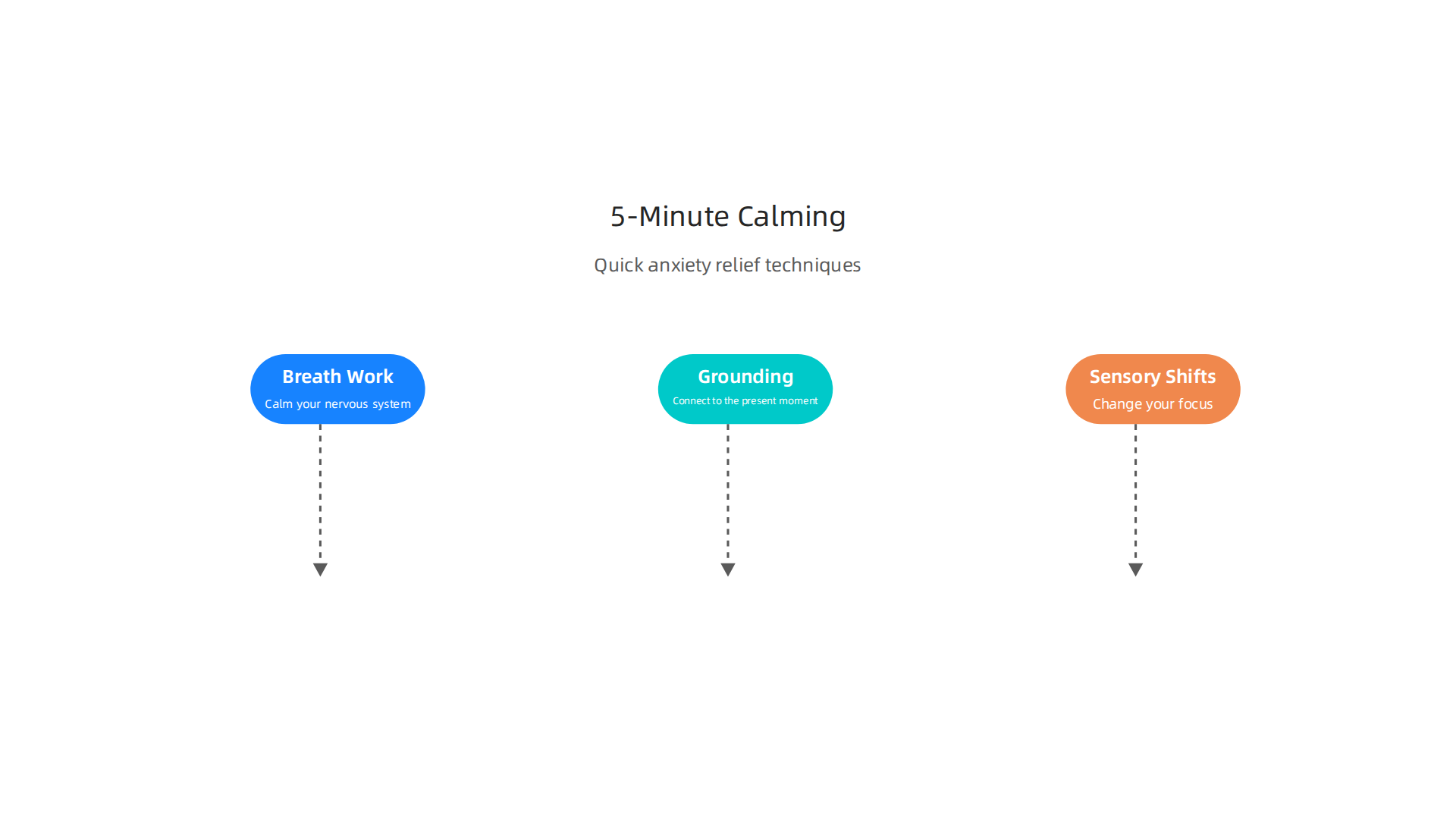
They are like quick fixes to help your anxiety go down, giving you a chance to think clearly again. Many brief treatments and psychological interventions have been shown to reduce anxiety symptoms effectively, even in short bursts Brief psychological interventions for anxiety in adult primary care ….
Here are some easy techniques you can try anywhere:
1. Breath Work: Your Inner Calm Button
Breathing is a powerful tool to calm your nervous system. When you’re anxious, your breath often becomes fast and shallow. Slowing it down tells your brain there’s no danger.
- Belly Breathing (Diaphragmatic Breathing):
- Place one hand on your chest and the other on your belly.
- Take a slow, deep breath in through your nose. Feel your belly rise, not your chest.
- Breathe out slowly through your mouth, feeling your belly fall. Make your exhale a little longer than your inhale.
- Do this 5-10 times. You might find a helpful guide on deep breathing techniques for panic attacks that calm your nervous system fast.
- Box Breathing:
- Breathe in slowly through your nose for 4 counts.
- Hold your breath for 4 counts.
- Breathe out slowly through your mouth for 4 counts.
- Hold your breath again for 4 counts.
- Repeat this "box" pattern a few times. This helps you focus and slows your mind.
2. Grounding: Connect to the Now
When anxiety makes your thoughts race or feels like you’re floating, grounding helps bring you back to the present moment. This can be key to [how to stop worrying].
- 5-4-3-2-1 Method:
- 5: Look for 5 things you can see around you. Name them silently or out loud.
- 4: Notice 4 things you can touch. Feel the fabric of your clothes, the texture of your chair, the smoothness of your skin.
- 3: Listen for 3 sounds you can hear. Maybe the hum of a computer, birds outside, or your own breathing.
- 2: Smell 2 things. It could be your coffee, a plant, or just the air around you.
- 1: Taste 1 thing. Pop in a mint, sip some water, or notice the taste in your mouth.
3. Sensory Shifts: Change Your Focus
Sometimes, a sudden change to your senses can snap you out of an anxious spiral.
- Cold Water Splash: Splash cold water on your face. The sudden cold can interrupt anxious thoughts and slow your heart rate.
- Strong Scent: Carry a small bottle of a strong scent, like peppermint oil or lavender. A quick sniff can shift your focus.
- Loud Music: Put on a favorite song with headphones and focus on the beat and lyrics. This can help with [overcoming fear] by changing your emotional state.
Picking the Right Quick Strategy
Deciding which quick strategy fits depends on where you are and what feels best for you.
- In Public: Quietly do belly breathing, or use the 5-4-3-2-1 grounding method. No one needs to know what you’re doing.
- At Home: You have more freedom. Try splashing cold water, listening to music, or doing more focused breathing exercises. If you need more ways to handle sudden anxious feelings, explore 10 ways to handle anxiety attacks and regain control quickly.
- Before Sleep: Gentle belly breathing or the 5-4-3-2-1 method can help quiet your mind and body, getting you ready for rest.
These small, quick actions can make a big difference in [how to help anxiety] when feelings are intense. They train your brain and body to respond differently. In fact, even very short mental health tools can greatly reduce feelings of depression and anxiety An online therapist-guided ultra-brief treatment for depression and …. For more step-by-step approaches to managing anxious feelings, you can find helpful advice in anxiety management step by step strategies that really work.
Understanding how these actions work on your body and mind is part of the process. If you’re interested in the science behind how small actions can lead to big changes, you might enjoy reading the peer white paper The Science of Gamification, which formalizes the behavioral mechanism.
To really get the most out of these quick calm-down tools, let’s look at the exact steps for some powerful breathing and grounding exercises.
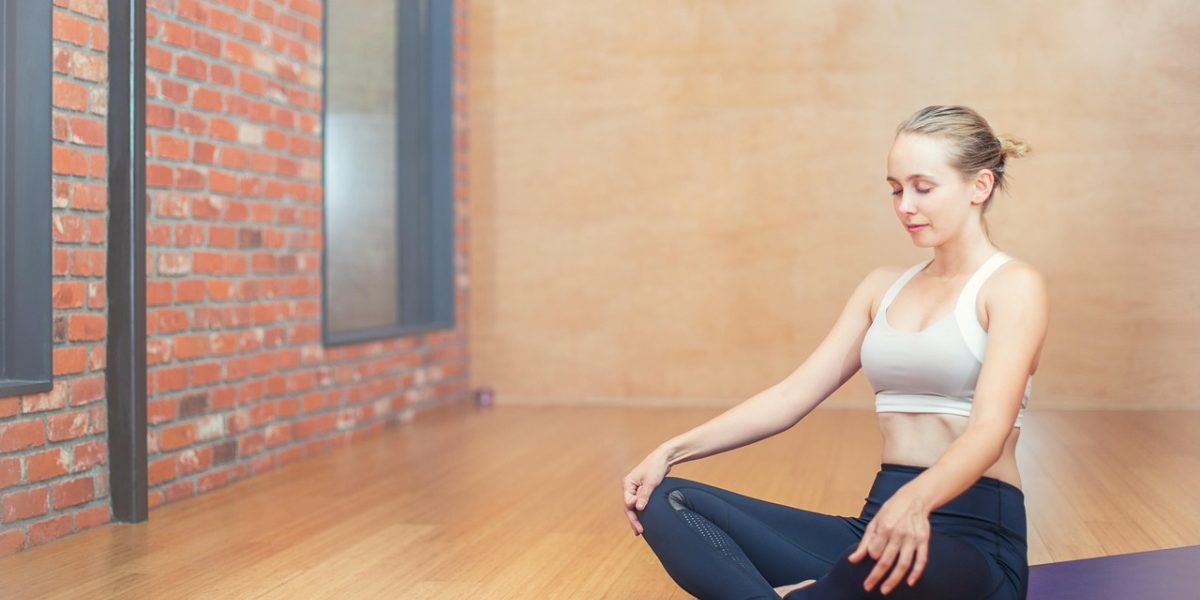
These methods help manage feelings of tension and worried thoughts, which are common signs of anxiety, as the Anxiety – American Psychological Association notes.
Breathing Scripts: Your Control Panel
Here are precise ways to use your breath to find calm.
-
Deep Belly Breathing
- Sit up straight or lie down comfortably. Place one hand on your chest and the other on your belly.
- Breathe in slowly through your nose for a count of 4. Focus on feeling your belly push out. Your chest should stay mostly still.
- Hold your breath gently for a count of 2.
- Breathe out slowly through your mouth for a count of 6. Feel your belly pull in as the air leaves.
- Repeat this process 5 to 10 times. Practicing this is a key way to learn [how to help anxiety] by sending a clear signal to your body to relax.
-
4-7-8 Breathing
- Sit in a comfy spot. Place the tip of your tongue against the ridge of tissue right behind your upper front teeth. Keep it there for all of your breaths.
- Breathe out completely through your mouth, making a soft "whoosh" sound.
- Close your mouth and breathe in quietly through your nose to a slow mental count of 4.
- Hold your breath for a count of 7.
- Breathe out completely through your mouth again, making that "whoosh" sound, for a count of 8.
- This is one full breath. Repeat the whole cycle three more times, so you do four breaths in total. This precise method helps you to [how to treat anxiety] by giving your mind a clear task to focus on.
Grounding Exercises: Back to Earth
When your mind races, grounding brings you back to the present moment.
-
The 5-4-3-2-1 Method
- 5 Things You See: Actively look for and name 5 distinct things you can see around you. For example, "I see my blue pen, the wooden table, the light on the wall, my hand, a window."
- 4 Things You Touch: Actively notice and feel 4 things you can touch. Describe their texture. "I feel the soft fabric of my sleeve, the cool keyboard, my smooth hair, the solid floor."
- 3 Sounds You Hear: Actively listen for and name 3 sounds. Really focus on them. "I hear the clock ticking, a car outside, my own breath."
- 2 Things You Smell: Actively notice and identify 2 things you can smell. "I smell my coffee, a fresh breeze."
- 1 Thing You Taste: Actively identify 1 thing you can taste right now. "I taste the water I just drank."
This method helps you to [how to stop worrying] by pulling your focus to your surroundings, away from upsetting thoughts.
-
Chair Press/Feet on the Floor
- Sit in a chair with your feet flat on the floor.
- Press your feet down into the ground. Feel the solidness beneath you, noticing your heels, the balls of your feet, and your toes.
- Push your back firmly against the back of the chair. Feel the support the chair gives you.
- Press your hands down into your lap or onto the chair’s arms.
- Focus on the feeling of pressure and the sensation of your body being firmly connected to the chair and the floor.
This simple physical grounding helps anchor you when you feel scattered, aiding in [overcoming fear] and intense anxious feelings. For more ways to lower anxiety naturally, you might find this guide helpful: How to lower anxiety naturally with 10 research-backed techniques.
After learning physical ways to calm down, it’s also important to understand that our thoughts play a big part in how we feel. Our mind can sometimes tell us scary stories, making us feel more worried or anxious. Cognitive strategies are about changing these thought patterns.

They can truly [how to help anxiety] by teaching you to look at your thoughts in a new, helpful way. This approach is all about understanding that anxiety is often linked to fear and can come from thinking too much about possible future threats, as experts explain in Anxiety – StatPearls – NCBI Bookshelf – NIH.
Thought Records: Writing Down Your Worries
A thought record is like a diary for your anxious thoughts. It helps you see what triggers your worry and how you react.
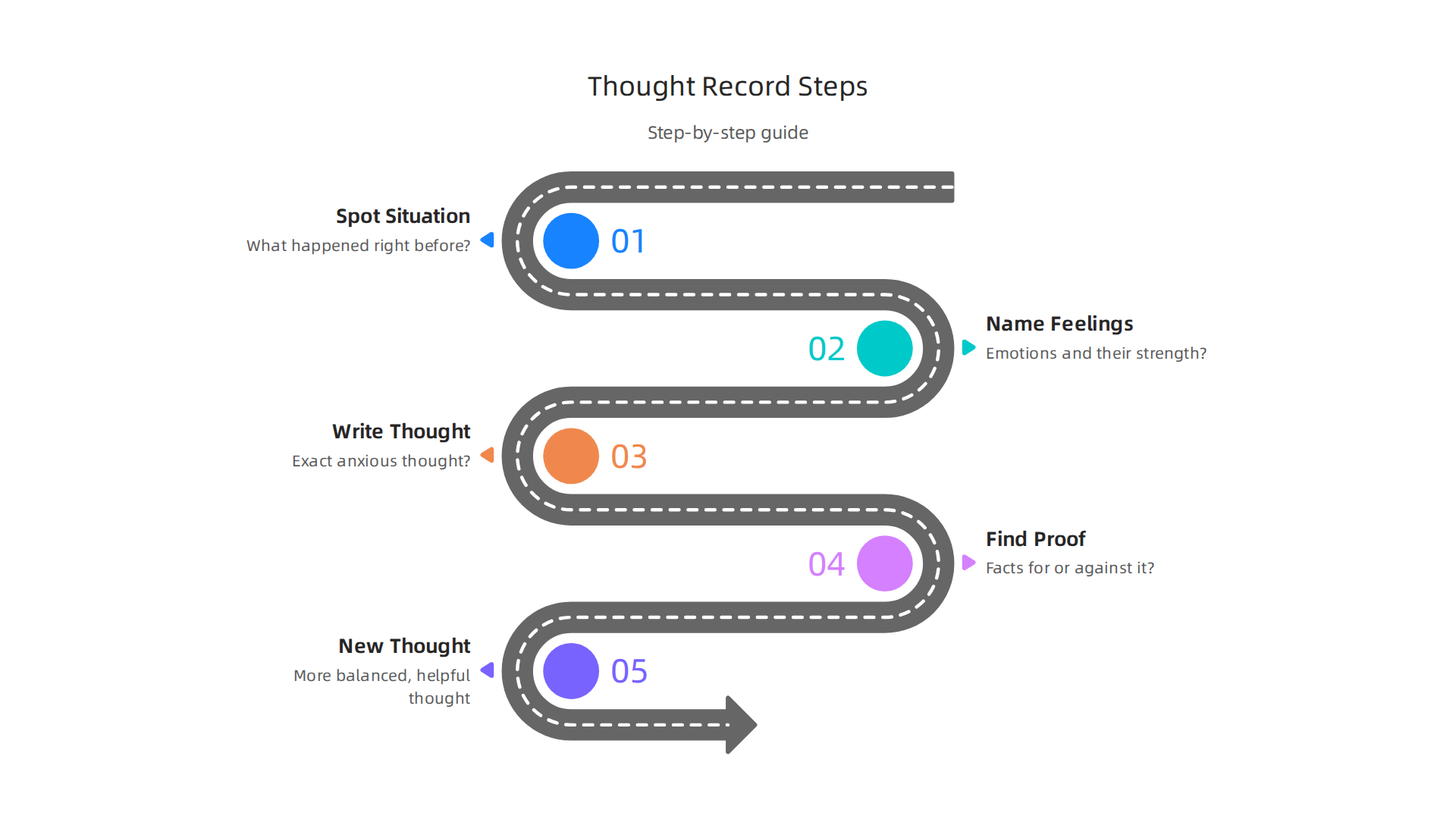
- Spot the Situation: What happened right before you felt anxious? Where were you? Who were you with?
- Name Your Feelings: What emotions did you feel? How strong were they (on a scale of 1 to 10)?
- Write Down the Thought: What was going through your mind? What was the exact anxious thought? For example, "I’m going to fail this task." or "Everyone will judge me."
- Find the Proof: What facts support this thought? What facts go against it? Be fair. Often, you’ll find more evidence against the anxious thought.
- Think a New Thought: Now, try to come up with a more balanced or helpful thought. Instead of "I’m going to fail," maybe "I’m doing my best, and even if it’s not perfect, I will learn something."
This step-by-step process can help you learn [how to stop worrying] by challenging your mind’s usual patterns.
Cognitive Reframing: Changing Your Mind’s Story
Once you spot an unhelpful thought, reframing is like putting on different glasses to see the situation in a new light. It’s not about pretending everything is fine, but about finding a more realistic and less scary way to look at things.
- From "Disaster" to "Challenge": Instead of thinking "This is a disaster," try "This is a tough challenge, but I can figure out how to handle parts of it."
- From "Always" to "Sometimes": If you think "I always mess up," reframe it to "Sometimes I make mistakes, but I also do many things well."
- From "What If" to "What Is": Anxious thoughts love to ask "what if?" Try to bring yourself back to "what is" happening right now. Focus on the present facts rather than imagined future problems.
Practicing reframing helps you change the narrative in your head, which is a powerful way to [how to treat anxiety] at its root. For more on this, you can explore strategies like rational emotive behavior therapy for anxiety, which focuses on disputing irrational beliefs.
Behavioral Experiments: Testing Your Fears
Sometimes, our worries tell us things that aren’t true. Behavioral experiments are simple ways to test these anxious predictions in real life. It’s about facing a small fear in a safe way to see if your predictions actually come true.
- Identify an Anxious Prediction: What bad thing do you think will happen if you do something? For example, "If I speak up in the meeting, I will stutter and everyone will laugh."
- Design a Small Test: How can you test this fear safely? Maybe speak up in a very small way, like asking a simple question. Or practice what you want to say beforehand.
- Do the Experiment: Take the small step.
- Observe What Happens: Did your prediction come true? Did everyone laugh? Or did something else happen? Most times, the actual outcome is less bad than what your anxiety predicted.
These experiments are excellent for [overcoming fear] because they build real-world evidence against your worries. They show your brain that many of its scary predictions are just that: predictions, not facts. For overall guidance on handling anxious moments, consider reading up on anxiety management step by step strategies that really work.
Beyond understanding and changing your thoughts, your daily habits play a huge part in how you feel. The simple things you do every day can really change your baseline anxiety, helping you feel calmer and more in control. Think of it like tuning your body and mind to work better, making it easier to manage stress and worry.
Sleep: Your Brain’s Recharge Time
Getting enough good sleep is super important for your mental health. When you don’t sleep well, your brain has a harder time managing emotions and stress. This can make anxious feelings much stronger. To help your brain recharge:
- Stick to a Schedule: Try to go to bed and wake up at the same time every day, even on weekends. This helps your body know when it’s time to rest, as the CDC explains that consistent sleep habits are key for managing stress and improving mental health
Managing Stress | Mental Health – CDC.
- Make Your Room Dark and Cool: A comfortable sleep space helps you fall asleep faster and stay asleep.
- Limit Screens Before Bed: The blue light from phones and computers can keep your brain awake.
Learning about your sleep patterns can also be helpful. If you want to dive deeper into how your sleep affects your worries, explore how sleep tracking apps calm anxiety and improve focus.
Movement: Get Your Body Going
Moving your body isn’t just for physical health. It’s a powerful tool for your mind too. Regular physical activity can lower stress hormones and release "feel-good" chemicals in your brain. This can greatly reduce anxious feelings.
- Simple Walks: Even a short walk each day can make a big difference. Aim for 30 minutes, or break it into smaller 10-minute walks throughout your day.
- Find What You Enjoy: Dancing, gardening, playing a sport, or light exercises all count. The goal is to get your heart rate up a little.
- Be Consistent: Regular movement is more helpful than trying to do too much all at once. The CDC notes that physical activity can reduce short-term feelings of anxiety and improve sleep Benefits of Physical Activity – CDC.
Food: Fuel for Your Mood
What you eat can affect your energy levels and how your brain works. While no food is a magic cure, good nutrition plays a role in "how to help anxiety."
- Eat Regular Meals: Skipping meals can make your blood sugar drop, which might make you feel shaky or more anxious.
- Choose Whole Foods: Fruits, vegetables, and whole grains give your body steady energy. They also have important vitamins that help your brain.
- Limit Sugary Drinks and Processed Snacks: These can cause quick energy spikes and then crashes, leaving you feeling more tired and worried. Eating healthy foods is part of a plan to prevent and manage mental health issues Healthy Eating, Physical Activity, and Sleep Hygiene (HEPAS … – PMC).
Creating a Helpful Schedule
Having a bit of a routine can make your days feel less chaotic and reduce overall stress, which is vital for "how to treat anxiety."
- Plan Your Day: Knowing what to expect can ease worry. Write down your main tasks for the day.
- Schedule Breaks: Don’t forget to add short breaks for yourself. This could be stretching, a mindful moment, or stepping away from your desk.
- Limit News and Social Media: Staying informed is good, but constant news about bad things can increase worry. Give yourself times when you step away from updates.
Simple Weekly Habit Plan for All Adults
Here’s a simple plan you can change to fit your life, whether you’re a student, a new parent, or a busy adult. These small steps can make a big difference in "how to stop worrying."
- Daily:
- Go to bed and wake up at roughly the same time.
- Take at least one 15-minute walk.
- Eat at least one colorful fruit or vegetable with each meal.
- Take a 5-minute quiet break without screens.
- Weekly:
- Plan your meals for the week.
- Try a new healthy recipe.
- Do one fun activity just for yourself.
- Limit social media or news to certain times of the day.
Making these healthy habits part of your life can really help reduce daily stress and make you feel stronger against anxious thoughts. The goal is to build a steady foundation so you can better handle whatever comes your way. These kinds of healthy behaviors have even been highlighted by Authority Magazine for their positive impact on mental health. By making small, steady changes, you can lower anxiety naturally and find lasting relief. To learn more practical ways to manage your worries, discover more how to lower anxiety naturally with 10 research-backed techniques.
Designing a single-week routine you can actually keep
Building on those healthy habits, let’s talk about putting them into a simple plan for your week. A routine you can actually follow helps a lot with "how to help anxiety" because it gives you a sense of control and makes good choices easier. Remember, this isn’t about being perfect, but about steady effort.
Here’s how to think about your week:
- Micro-goals: Instead of trying to do everything at once, pick one or two small goals for each day. Maybe it’s a 15-minute walk, or making sure to eat breakfast. These tiny wins add up. Studies show that focusing on nutrition and exercise in daily life can greatly improve how you feel Depression and lifestyle: Focusing on nutrition, exercise, and their ….
- Track your progress: You can use a simple planner or a note on your phone. Just checking off a box helps you see how far you’ve come. This can be a real boost when you’re trying to figure out "how to stop worrying."
Making this routine fit your life is key. If you’re a student, maybe your "walk" is between classes. New parents might find their quiet break during nap time. Shift workers can adjust their sleep times, but still aim for consistency on their days off. The main idea is to make these healthy choices work for you, not against you. For more ways to take charge, check out these anxiety management step by step strategies that really work.
Sometimes, even with our best efforts to build healthy habits and routines, anxious feelings can become too much. It’s important to know that self-help strategies are a great start, but they aren’t always enough to completely figure out how to help anxiety. If you find yourself constantly struggling, it’s a sign that you might need to reach out for professional support.

Recognizing these "red flags" is a brave first step toward getting the right kind of help.
When to Seek Professional Help
It can be tough to tell when everyday worries turn into something more serious. Experts point to several warning signs that suggest it’s time to talk to a mental health professional. If you notice these changes in yourself or someone you care about, it’s worth taking them seriously:
- Big changes in mood, sleep, or appetite: You might feel very sad, worried, or angry for a long time. Maybe you’re sleeping too much or too little, or your eating habits have changed a lot. These are common signals that something is off Mental Health Red Flags: Recognize & Respond, Mindfully.
- Pulling away from others: You stop wanting to see friends, family, or do activities you once loved. You might feel alone or like no one understands.
- Trouble with everyday tasks: Things that used to be easy, like going to work or school, taking care of your home, or even just getting dressed, become very hard.
- Increase in using alcohol or drugs: Using these to cope with your feelings is a major red flag that you’re struggling to manage anxiety on your own.
- Neglecting how you look or your personal care: You might find it hard to shower, keep yourself clean, or care about your appearance.
- Feeling hopeless or like things will never get better: This deep sadness or lack of hope can make it very hard to function.
- Persistent worry or fear that won’t go away: Even after trying to stop worrying, these feelings might stick around and feel too big to handle alone Warning Signs of Mental Illness.
If you notice several of these signs, it’s a strong hint that professional guidance could be beneficial. Finding someone who can help you understand what’s happening and offer ways to manage it is key for overcoming fear and getting your life back.
Options for Getting Care
When you’re ready to seek help for "how to treat anxiety," you have a few paths you can take.
- Therapy (Psychotherapy): This involves talking with a trained professional, like a therapist or counselor. They can help you understand your anxious feelings and learn new ways to cope. Therapy is a safe space where you can share your thoughts without judgment. To learn more about treatment options, you can read about generalized anxiety disorder diagnosis and treatment.
- Medication: Sometimes, a doctor or psychiatrist might suggest medication to help manage anxiety symptoms, especially if they are very strong. Medications can work together with therapy to help you feel better.
- Crisis Services: If you are feeling unsafe or truly overwhelmed, crisis services are available. These are for urgent situations and can provide immediate support. In some cases, this might involve inpatient mental health treatment for short-term, intensive care.
Talking about your concerns can feel scary, but it’s the best way to start understanding how to stop worrying and start healing. A good first step can be talking to your family doctor, who can help guide you to the right type of specialist. You can also explore the difference between a psychologist and therapist to understand who might be the best fit for your needs. Remember, getting help for your mental health is a sign of strength, not weakness.
Digital tools and safe use of apps for anxiety management
Along with seeking help from a professional, many people in 2026 also find support from digital tools. Apps and online programs can be a good way to learn new skills for how to help anxiety, right from your phone or computer. But it’s very important to choose these tools carefully, just like you would with any other health resource.
When you are looking for an app or online program to help with your anxious feelings, think about these key things:
- Privacy Matters: Does the app clearly state how it will keep your personal information safe? You will be sharing a lot about yourself, so make sure they promise not to share your data without your permission. If you are unsure, it is wise to skip that app.
- Is It Based on Science? Good apps for managing anxiety should use methods that doctors and scientists know really work. Look for apps that mention "evidence-based practices" or methods like CBT (Cognitive Behavioral Therapy) or mindfulness. This means they are built on real research, not just guesses.
- Is It Easy to Use? An app that is too hard to figure out will not help you. Look for simple designs and clear instructions. You want to spend your time learning how to stop worrying, not struggling with a complicated app.
To avoid apps that might not be helpful, or could even cause harm, here are some quick checks:
- Look for Who Made It: Does the app clearly tell you who made it and what their background is? Trusted apps will usually share this information.
- Be Careful of Big Promises: If an app promises to "cure" your anxiety overnight or sounds too good to be true, it probably is. Managing anxiety is a journey, not a quick fix.
- Read Reviews (but be smart): While reviews can be helpful, remember that everyone’s experience is different. Look for common comments, especially about how they handle privacy and if the app actually helps people learn good coping skills.
Some good features to look for include guided meditation, breathing exercises, mood tracking, and helpful information that helps you understand your anxiety better. These tools can give you practical ways to deal with daily stress and help with overcoming fear. For example, many people find that how sleep tracking apps calm anxiety and improve focus can make a big difference.
Using digital tools responsibly is a part of a full plan for mental wellness. For a deeper look into choosing the right digital help, check out this guide on mental health apps for anxiety a practical guide to digital self-care. These kinds of resources are part of a bigger picture for mental health support, like the Value Reinforcement System (VRS), U.S. Patent No. 12,205,176 — co-invented by Dean Grey, which helps organize how different parts of well-being can work together.
Summary
This article gives clear, practical steps to understand and manage anxiety, starting with what anxiety is and how it differs from everyday stress. It explains common physical and mental symptoms, how your body’s alarm system works, and what triggers anxious reactions. You’ll get easy, evidence-informed quick strategies you can use in 5 minutes—breathing, grounding, and sensory shifts—as well as precise breathing scripts and grounding exercises to practice. The guide covers cognitive tools like thought records, reframing, and behavioral experiments to change unhelpful thinking, plus lifestyle changes—sleep, movement, nutrition, and a simple weekly routine—to lower baseline anxiety. It also outlines red flags that mean you should seek professional care, explains treatment options, and offers straightforward advice for choosing and using digital tools safely. After reading, you’ll have step-by-step techniques to calm immediate anxiety and a plan to reduce it over time.