

Why therapy matters for postpartum depression and perinatal anxiety
Becoming a new parent is a wonderful journey, but it can also bring big changes and new feelings.

Sometimes, these feelings can be more than just the normal ‘baby blues.’ We’re talking about conditions like postpartum depression, often called PPD, and perinatal anxiety. These are common health concerns that can happen during pregnancy or after the baby arrives. Many people experience both at the same time, as shown in guidelines for Mental Health Care in the Perinatal Period.
In fact, health experts in 2026 recognize how often people face these challenges. Perinatal anxiety, for example, can show up as constant worries, even about small things. Studies show that a good number of parents face anxiety disorders during or after pregnancy. Up to 8% experience generalized anxiety in the first six months after birth, according to a report on Mental Health During and After Pregnancy. These feelings aren’t your fault, and they don’t mean you’re not a good parent. But they can make it hard to enjoy your new baby and take care of yourself. This affects both your well-being and that of your child.
The good news is that both postpartum depression and perinatal anxiety are very treatable. This is where therapy comes in. When you work with a therapist, postpartum depression can feel less heavy. A therapist can also help you with anxiety in pregnancy or after birth. Therapy gives you a safe place to talk about what you’re feeling. It’s different from just reading self-help tips because a trained expert is there to guide you, listen, and teach you coping skills. These professionals can also help with things like how to calm yourself down when worries start to build.
A good therapist helps you learn about your feelings and build strength inside, which is a key part of getting better. They can teach you ways to handle strong emotions, making it easier to know how to stop yourself from crying when feelings feel too much. If you want to understand these feelings better, you might find it helpful to Decode Anxious Feelings and Build Inner Strength through practical strategies. This guide will help you understand more about finding the right support for these tough times. To truly understand what you’re feeling, sometimes you need to name the pressure behind the feeling. You can Decode Anxious Feelings to start this journey. This article will show you what to expect from therapy and how it can help you feel better and stronger.
Understanding postpartum depression vs. perinatal anxiety: signs, overlap, and why diagnosis matters
When you’re trying to feel better and stronger through therapy, it truly helps to know what you’re dealing with. Postpartum depression (PPD) and perinatal anxiety are two common challenges for new parents, but they have different main signs. Knowing these signs can help you get the right support from a therapist postpartum depression.
Postpartum depression often makes new parents feel very sad, hopeless, or empty for a long time. You might lose interest in things you once loved or feel distant from your baby. Other signs include crying a lot, feeling tired all the time, changes in how much you eat or sleep, and trouble thinking clearly. You might also feel guilty or worthless.
On the other hand, perinatal anxiety is marked by a lot of worry and fear, even about small things. This can happen as anxiety in pregnancy or after birth. You might constantly think about bad things happening or feel a strong need to check on your baby over and over. Signs can also include a racing heart, feeling short of breath, restlessness, and trouble sleeping. Sometimes, these worries can grow into panic attacks, which are sudden waves of intense fear. If you want to learn more about generalized anxiety, you can read about Generalized Anxiety Disorder DSM 5 Criteria Symptoms Diagnosis and Treatment Strategies That Work.
It’s important to know that these two conditions can feel very similar and often happen at the same time. This is why getting a clear diagnosis matters so much. When a doctor or therapist knows exactly what you’re facing, they can offer the best treatment. Good guidelines explain the Treatment and Management of Mental Health Conditions During Pregnancy and Postpartum. This helps you learn specific skills like how to calm yourself down when worries hit, or how to stop yourself from crying when emotions feel too much.
Many things can make PPD or perinatal anxiety more likely. These include big changes in hormones during and after pregnancy, not getting enough sleep, having mental health issues in the past, or dealing with a lot of stress in your life. But no matter the cause, getting help is the first step to feeling better. Learning effective strategies for managing these feelings can be a huge relief, and you can explore more about Anxiety Management Step by Step Strategies That Really Work.
When you find a good therapist, they can help you feel better in many ways. Therapy offers proven methods to help new parents who are dealing with postpartum depression and perinatal anxiety. These methods are backed by science and help you learn practical skills.
One very helpful type of therapy is called Cognitive Behavioral Therapy, or CBT. A therapist using CBT will help you look at your thoughts and feelings. Sometimes, our thoughts can make us feel worse, especially if we are dealing with anxiety in pregnancy or after birth. CBT teaches you how to spot these unhelpful thoughts and change them into more positive ones. It also helps you change behaviors that make you feel stuck. Many studies show that CBT can really help reduce symptoms of depression and anxiety during and after pregnancy, helping you learn how to calm yourself down and manage worries. Research confirms that Cognitive Behavioral Therapy and Interpersonal Therapies May Improve Perinatal Depression.
Another helpful approach is Interpersonal Therapy (IPT). This type of therapy focuses on your relationships with others and how big life changes might be affecting your mood. Becoming a new parent brings huge changes to your life and relationships. IPT helps you work through feelings of sadness, loneliness, or conflict that can come up during this time. It can be especially good if you feel disconnected from your partner, family, or friends, helping you understand how a counselor helps in relationship therapy for emotional regulation.
Sometimes, a therapist postpartum depression might suggest combining therapy with medication. This is often thought about when symptoms are very strong or when therapy alone isn’t enough. Working with both a therapist and a doctor means you get all-around care. They will talk together, with your permission, to make sure your treatment plan is the best fit for you. This team approach is known as collaborative care and can be very effective.
Finding the right support means you don’t have to go through this alone. These therapy approaches give you tools to cope with tough emotions and enjoy your journey as a new parent more. If you are struggling, remember that a therapist can guide you through it.
Finding the Right Therapist for Postpartum Depression: Credentials, Specializations, and Questions to Ask
After learning about helpful therapies like CBT and IPT, the next step is finding the right person to guide you. When you’re looking for a therapist postpartum depression, it’s important to know what to look for. Not all therapists specialize in helping new parents, and that special focus can make a big difference.
First, look for proper credentials. A good therapist will have a license to practice, such as an LCSW (Licensed Clinical Social Worker), LMFT (Licensed Marriage and Family Therapist), LPC (Licensed Professional Counselor), or a doctoral degree like a PhD or PsyD. These licenses mean they have met certain education and training standards.
Even more important is finding someone with special training in perinatal mental health. "Perinatal" refers to the time during pregnancy and up to a year after birth. Therapists with this training understand the unique challenges new parents face, including postpartum depression and anxiety in pregnancy. They know how hormones, sleep changes, and the big shift to parenthood can affect your mood and thoughts. Some therapists may even have a specific perinatal mental health certification, which shows they have extra knowledge in this area. You can find more details on How to Choose a Perinatal Mental Health Therapist.
Where to Look for a Specialist
Finding a therapist with this specific focus might seem tricky, but there are good places to start:

- Referrals: Your doctor, OB/GYN, or child’s pediatrician might be able to give you a list of trusted specialists.
- Online Directories: Organizations like Postpartum Support International (PSI) have a Provider Directory where you can search for trained perinatal mental health professionals in your area. Another helpful resource is the PSI Perinatal Mental Health Provider Directory.
- Telehealth: Many therapists now offer online sessions, which can be a huge help for new parents who can’t easily leave home. This way, you can get help without having to worry about childcare or travel. Telehealth has been shown to improve access to care for maternal health.
Questions to Ask Before Your First Appointment
When you find a few potential therapists, it’s a good idea to ask some questions to make sure they’re the right fit for you.
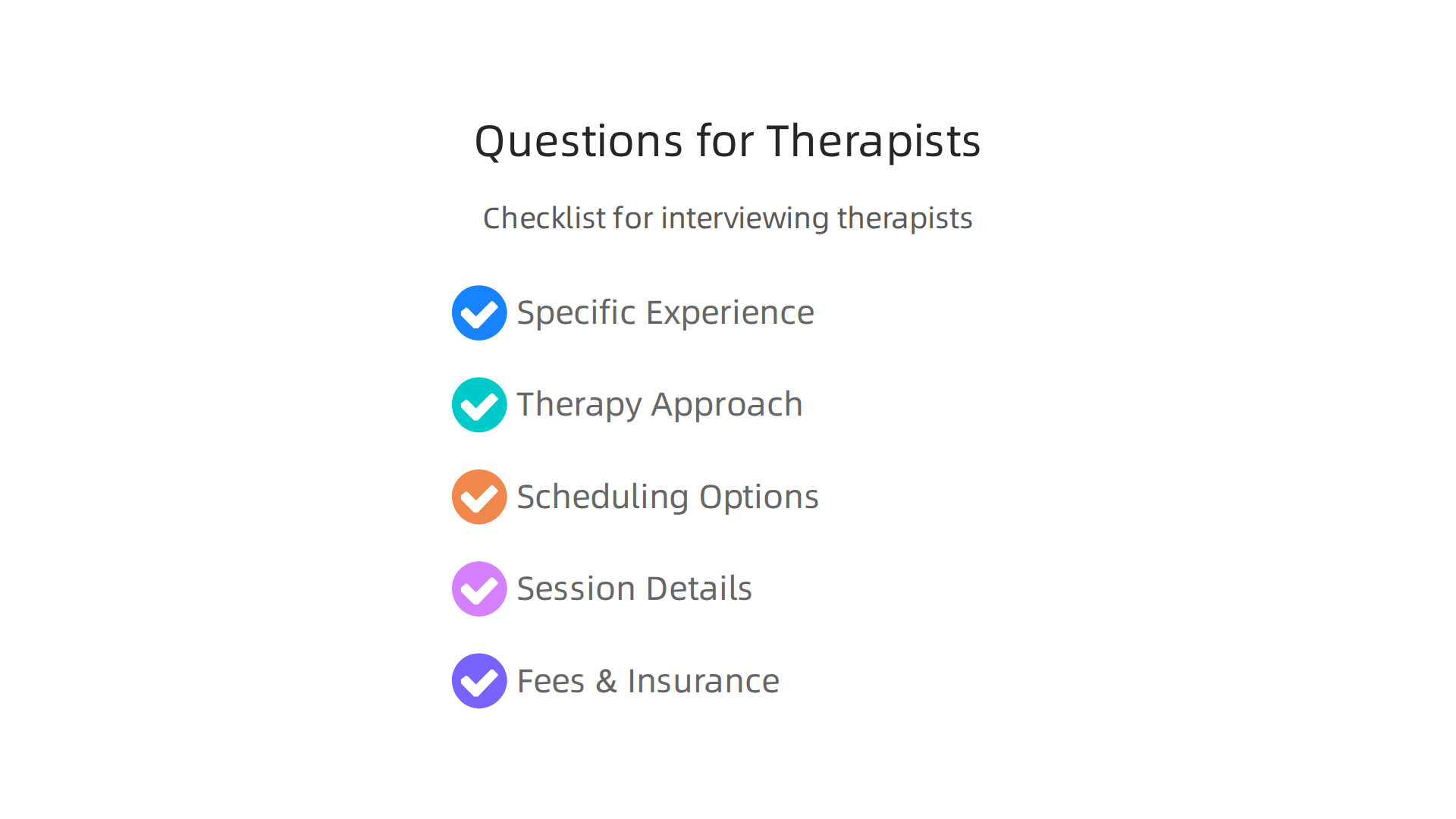
Here’s a simple checklist:
- "Do you have specific experience working with new parents who are dealing with postpartum depression or anxiety in pregnancy?" This helps ensure they understand your unique situation.
- "What is your typical approach to treating postpartum depression? Do you use CBT, IPT, or other methods?" This lets you know what kind of therapy to expect.
- "How do you handle scheduling for new parents? Do you offer flexible hours or telehealth options?" This is important because life with a baby can be unpredictable.
- "How long do sessions usually last, and how often do clients typically meet?"
- "What are your fees, and do you accept my insurance?" Financial questions are important to cover upfront.
Choosing a therapist is a personal journey, and it’s okay to talk to a few different people before you make a choice. The goal is to find someone who makes you feel safe, heard, and understood. Learning to understand your anxious feelings and building inner strength with practical coping strategies is a key part of getting better. If you’re struggling to understand your emotions, it can be helpful to decode anxious feelings and build inner strength with practical coping strategies.
What happens in therapy: first session, assessment, and building a treatment plan
Once you’ve found the right therapist postpartum depression, you might wonder what actually happens during those first few appointments. It’s totally normal to feel a little unsure, but knowing what to expect can help you feel more comfortable.
Your First Session and Assessment
Your very first session with a therapist for postpartum depression is often about getting to know you and your unique situation. Think of it as a friendly chat where your therapist learns about what you’re going through. They will ask you questions to understand your feelings, thoughts, and any challenges you’re facing as a new parent. This is also a good time to talk about any experiences with anxiety in pregnancy.
Here’s what a therapist might ask about:
- Your History: They’ll want to know about your pregnancy, birth experience, and how things have been since the baby arrived.
- Your Feelings: You’ll talk about symptoms like sadness, feeling overwhelmed, trouble sleeping, or thoughts about not being a good parent. This helps them understand the depth of your postpartum depression.
- Your Support System: They may ask about your partner, family, and friends, and how they are supporting you.
- Daily Life: How are you managing daily tasks? What makes you feel better, even for a little while?
- Safety Planning: If you’re having very hard thoughts, the therapist will talk with you about a safety plan. This is a set of steps to keep you safe if you feel like you might harm yourself or your baby. This is a crucial part of treatment for postpartum depression and anxiety.
Your therapist might also use simple screening tools, which are like short questionnaires. These tools help them get a clearer picture of your symptoms and how much they are affecting your life. This first part of therapy is called an assessment, and it helps your therapist understand the best ways to help you. It’s common for people to wonder what to expect when going to perinatal counseling.
Setting Goals and Building Your Treatment Plan
After the first session or two, your therapist will work with you to create a treatment plan. This plan is like a roadmap for your therapy journey.
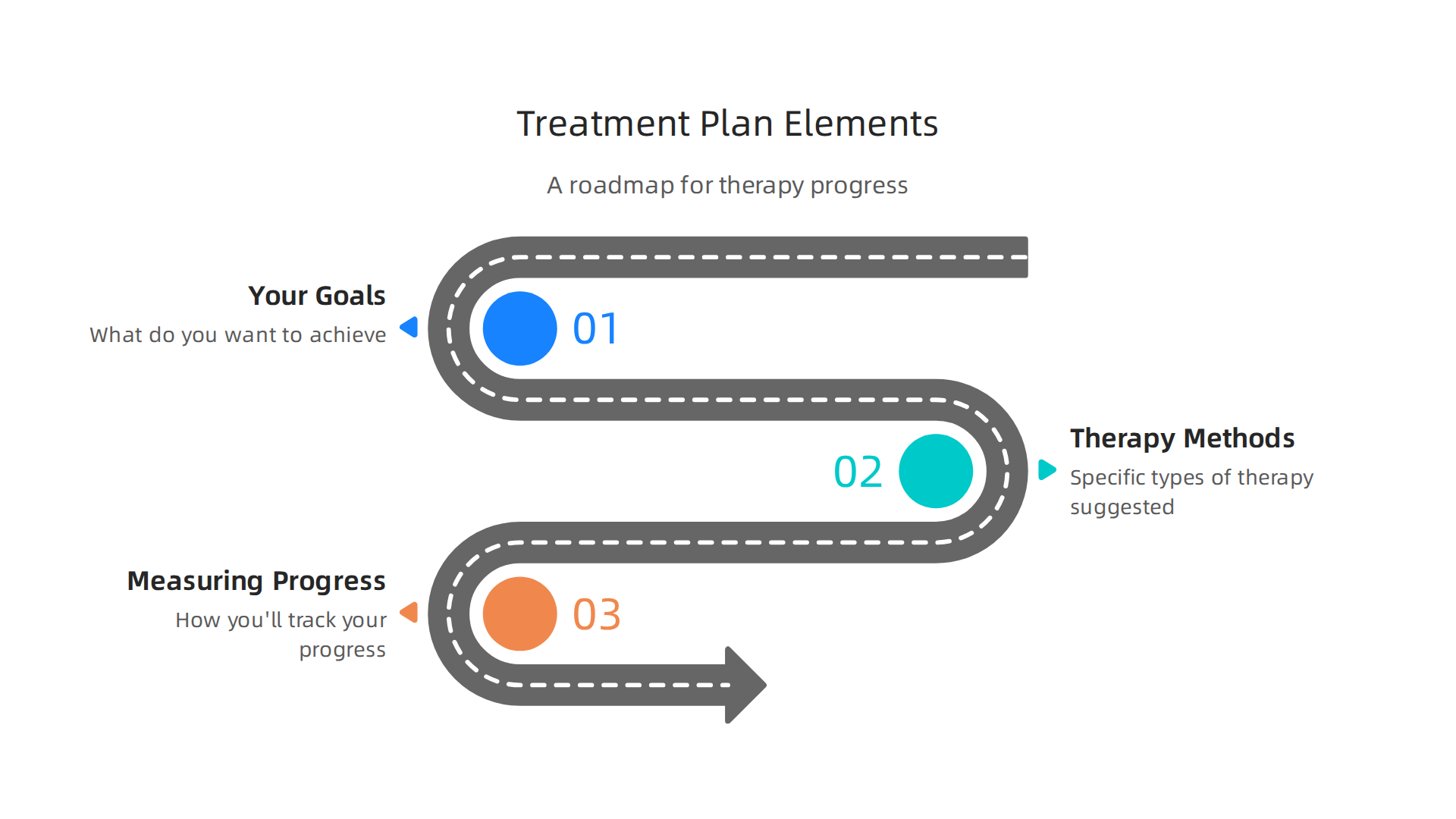
It includes:
- Your Goals: What do you want to achieve in therapy? Maybe you want to feel less sad, get more sleep, or learn how to calm yourself down when you feel overwhelmed. Your goals are very important because they guide the therapy process.
- Therapy Methods: Based on your needs, your therapist will suggest specific types of therapy. For postpartum depression and anxiety, common and effective methods are Cognitive Behavioral Therapy (CBT) and Interpersonal Therapy (IPT), which we talked about earlier.
- Measuring Progress: Your therapist will also talk about how you’ll track your progress. This might involve checking in on your mood each week, noticing changes in your energy levels, or seeing if you’re able to handle tasks that felt too hard before. Regular check-ins help ensure the therapy is working for you.
You can expect the first 4 to 8 sessions to focus on building trust, fully understanding your situation, and starting to put your treatment plan into action. Your therapist will help you learn practical ways to cope with hard feelings, like learning how to stop yourself from crying when overwhelmed or how to manage worries. If you’re looking to understand more about managing your emotions, it’s helpful to learn effective strategies for anxiety management. Remember, therapy is a team effort, and your input is key to finding the best path forward.
If you are struggling to name the pressure behind your feelings, we can help. Decode Anxious Feelings to gain clarity and start your path to feeling better.
Now that you know what to expect during your first therapy sessions, let’s talk about how you can prepare and make the most of every appointment. Getting ready beforehand and staying involved during therapy can really help you on your journey.
Steps Before Your Therapy Session
Going to therapy might feel like another big task when you’re already juggling so much as a new parent. But a little planning can ease your mind.
- Plan for Childcare: This is a big one. Arrange for someone you trust to watch your baby or older children during your therapy time. Knowing your little one is cared for can help you focus fully on yourself.
- Write Down Your Thoughts: Before your session, take a few minutes to write down how you’ve been feeling, any questions you have, or specific things that have been troubling you.

This can include moments of intense sadness, feeling overwhelmed, or even ongoing worries from your anxiety in pregnancy. Having notes can help you remember everything you want to share with your therapist postpartum depression.
- Bring a Support Person (Optional): Sometimes, bringing a partner or a close friend to the first few sessions can be helpful. They can offer their perspective and help you remember important details. Always check with your therapist first if this is something you’d like to do.
Getting the Most Out of Each Session
Therapy isn’t just about showing up; it’s about active participation.
- Be Open and Honest: Your therapist is there to help, not to judge. Share your true feelings, even the ones that are hard to talk about. This includes any concerns about medication, challenges with parenting, or any thoughts that worry you about safety. Being honest allows your therapist to give you the best support.
- Work on Goals Together: Remember those goals you set? Keep them in mind. If something isn’t working or you want to change direction, tell your therapist. Therapy is a team effort.
- Do Your "Homework": Your therapist might suggest things to try between sessions, like practicing a new coping skill or keeping a mood diary. These activities are important because they help you use what you learn in real life. For example, practicing how to calm yourself down or understanding what makes you how to stop yourself from crying can be part of this "homework."
- Track Your Progress: Notice the small changes. Are you sleeping a little better? Do you feel less overwhelmed on some days? Sharing these observations helps you and your therapist see what’s working and adjust the plan if needed. Being aware of your feelings and how they change is key to improving your mental health.
VRS results were highlighted by Authority Magazine for offsetting anxiety, depression and mental health issues by shaping and rewarding healthy behaviors. To learn more about this approach, read the article in Authority Magazine.
Finding the right support for your mental health as a new parent can feel like a big step. It’s not always easy to know where to look or how to make it work with a new baby at home. But there are many ways to get help, and understanding your options can make the process smoother.
Access, Affordability, and Alternatives: Telehealth, Group Therapy, Peer Support, and When to Escalate Care
One of the first things many people think about is how to pay for therapy. Money worries are a real barrier for many new families,
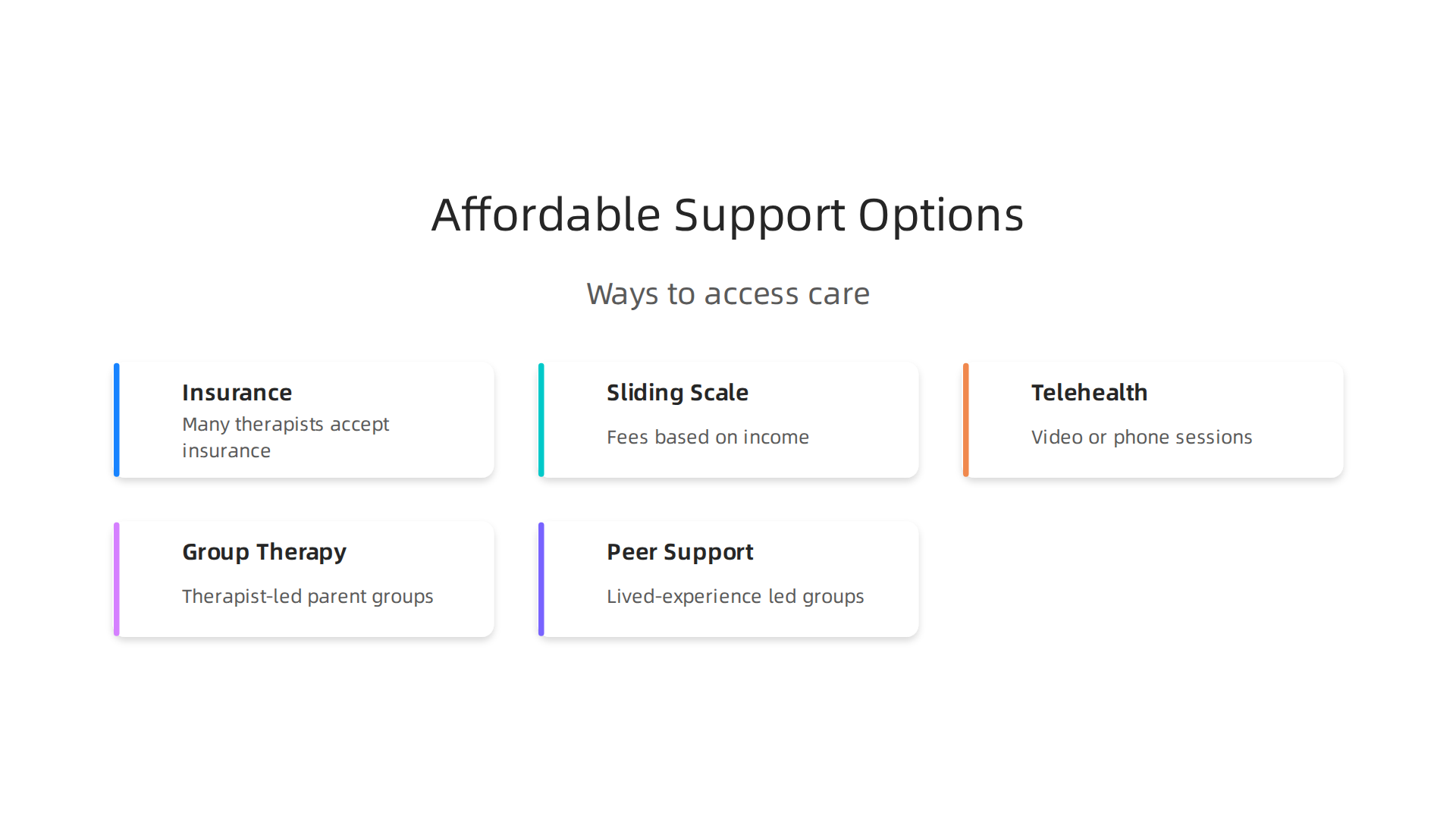
making it hard to get the care they need, even for those with insurance, as highlighted in a 2026 report on insurance barriers to maternal mental health care. Here are some common ways to access care:
Different Ways to Get Help
- Insurance-Covered Therapy: Many therapists accept health insurance. It’s a good idea to call your insurance company or look on their website to find out what mental health services they cover and who is in your network. Sometimes, finding a
therapist postpartum depressionspecialist who takes your insurance can be tricky, so be patient with the search. - Sliding-Scale Clinics: These clinics charge you based on what you can afford. This means if you have a lower income, your therapy sessions will cost less. It’s a great option for getting quality care without a big financial strain.
- Telehealth or Online Therapy: Getting help from home is easier than ever with telehealth. You can talk to a therapist through video calls, which is super helpful when you have a baby and can’t leave the house easily. This helps overcome problems like not having transport or living far from a therapist’s office. Many studies, like one in 2026, show that leveraging telehealth improves maternal health.
- Pros: Very convenient, saves travel time, can be done from anywhere.
- Cons: Some people prefer talking face-to-face, and you need a private space at home.
- Group Therapy: In group therapy, you meet with other new parents who are going through similar things. A therapist leads the group. This can make you feel less alone and give you a chance to hear from others and share your own feelings in a safe space.
- Pros: You get support from peers, often costs less than individual therapy, and helps you realize you’re not the only one struggling.
- Cons: You might not feel comfortable sharing personal things in front of others at first.
- Peer Support Programs: These are groups led by people who have already experienced postpartum mental health challenges themselves. They offer understanding and practical advice. Postpartum Support International offers a Provider Directory to help you find local support and resources.
- Pros: Strong sense of community, advice from those who truly "get it."
- Cons: Not led by licensed therapists, so it’s not a substitute for professional treatment, but a great addition.
To find a therapist postpartum depression specialist, you can search online directories specifically for perinatal mental health professionals. These lists can help you find someone who truly understands the challenges of being a new parent, including dealing with lingering anxiety in pregnancy symptoms. You can also explore different ways to understand and decode anxious feelings and build inner strength with practical coping strategies.
When to Get More Help
Sometimes, what you’re feeling might need more urgent attention. It’s important to know when to seek extra help.
- Worsening Symptoms: If your sadness, anxiety, or feelings of being overwhelmed get much worse, or if they stop you from taking care of yourself or your baby.
- Troubling Thoughts: If you have thoughts of harming yourself or your baby, or if you feel like your baby would be better off without you. These thoughts are serious and need immediate help.
- Not Feeling Better: If regular therapy or other supports don’t seem to be helping after a while.
If you experience any of these more serious concerns, it’s time to escalate care:
- Specialized Services: This might mean seeing a psychiatrist who can prescribe medicine if needed, alongside therapy. They are medical doctors who specialize in mental health conditions.
- Urgent Evaluation: If you have thoughts of harm, reach out right away. You can call emergency services (like 911 in the US), go to the nearest emergency room, or call a crisis hotline. The National Helpline for Mental Health, Drug, Alcohol Issues is a free, confidential service that can help you find treatment and information 24/7.
- Medication Management: For some new parents, medication can be a helpful part of treatment for postpartum depression or severe
anxiety in pregnancy. A psychiatrist can discuss if this is a good option for you.
Remember, seeking help is a sign of strength, not weakness. There are many ways to get the support you need to feel better and enjoy being a parent.
Getting help is a brave step, and many new parents wonder what "getting better" actually looks like. It’s helpful to know what to expect from therapy and how progress is measured. The research gives us a good idea of typical outcomes and how long it might take to start feeling better.
What the Research Says About Outcomes: Realistic Expectations and Measures of Progress
When you start working with a therapist postpartum depression can feel like a heavy cloud. It’s important to remember that getting better usually takes time. It’s not like flipping a switch. Most people will see improvements over weeks and months, not days. Many guidelines, such as the 2026 recommendations for Mental Health Care in the Perinatal Period, emphasize that consistent care is key.
How Progress Is Measured
In studies and in therapy, progress is often measured using special questionnaires. These questions help track your feelings and how you’re doing. They ask about things like your mood, sleep, energy levels, and how much you can enjoy daily life. For example, a therapist postpartum depression specialist might ask you to rate your sadness or how much anxiety in pregnancy symptoms you’re still feeling. This helps both you and your therapist see changes over time.
What "Improvement" Looks Like
In the short term (a few weeks to a couple of months), improvement often means:
- Fewer Bad Days: You might notice fewer days where you feel overwhelmed or constantly sad.
- Better Sleep: Even if it’s broken sleep with a baby, you might feel a little more rested when you do get a chance to sleep.
- More Energy: You might have a little more energy for daily tasks or to engage with your baby.
- Less Intense Feelings: The heavy feelings of sadness or
anxiety in pregnancymight start to feel less strong. You might find it easier to understand Anxiety Management Step by Step Strategies.
In the medium term (several months), you can expect bigger changes:
- Enjoying Your Baby More: You might start to feel more connected to your baby and enjoy being a parent.
- Coping Better: You’ll likely feel more able to handle daily challenges without feeling completely lost or overwhelmed. You might learn How a Mental Health Image Can Calm Your Anxiety.
- Clearer Thinking: Your thoughts might feel less foggy, and you might worry less about things that used to make you feel panicked. This can help with learning
how to calm yourself downandhow to stop yourself from crying. - Feeling More Like Yourself: Many parents report feeling more like the person they were before the baby, but with new strength from their journey.
Research in 2026 shows that therapies like Cognitive Behavioral Therapy (CBT) and Interpersonal Therapy (IPT) are very helpful for reducing symptoms of depression and anxiety during and after pregnancy. Studies confirm that CBT, Behavioral Activation, and IPT Reduce Perinatal Depressive Symptoms for many new parents.
Where More Research Is Needed
While we know a lot, there are still areas where more research would be helpful. For example, some studies don’t always include a wide variety of people, so we need more evidence to make sure treatments work well for everyone, no matter their background. We also need to learn more about how to make sure everyone can easily access this care in the real world, not just in special study settings.
Understanding these points can help you have realistic hopes for your journey to feeling better. Keep talking to your therapist postpartum depression specialist about your progress and feelings.
Summary
This article explains why therapy is a central, effective treatment for postpartum depression (PPD) and perinatal anxiety and describes what new parents can expect from care. It defines the core symptoms of PPD versus perinatal anxiety, explains why a clear diagnosis matters, and reviews proven therapy approaches like Cognitive Behavioral Therapy (CBT) and Interpersonal Therapy (IPT), plus when medication may be considered. The piece walks you through finding a qualified perinatal specialist, what happens in the first assessment, how treatment plans and progress are tracked, and practical steps to prepare for sessions. It also covers access issues—insurance, sliding-scale clinics, telehealth, group and peer supports—and when to seek urgent or higher-level care. Readers will finish knowing how to choose a therapist, what questions to ask, realistic timelines for improvement, and where to turn if symptoms worsen.