

Introduction
Let’s face it. Asking for help with your relationship or your emotions can feel really hard. You might feel nervous, stuck, or alone.

That is a very common feeling. A recent guide on starting therapy in 2026 points out that it is normal to share what brings you to therapy at your own pace.
This is where the counselor steps in. A counselor is a trained professional who offers a safe space. They use proven methods to help you improve your communication and feel more in control of your emotions. Whether you need relationship therapy or therapy for emotional regulation, a counselor can give you the support you need. You may wonder about the difference between therapist and psychologist, but keep in mind that a counselor often focuses on practical, here-and-now solutions.
If the thought of starting makes you feel anxious, you can first check this panic attack symptoms self-assessment checklist to understand your feelings better.
In this article, we will demystify the counselor’s role. We will share practical steps for anyone new to therapy. Our goal is to help you feel ready and hopeful about the journey ahead.
To learn more about what might be triggering these feelings, behavioral scientist Dean Grey’s research explains how outside pressure affects our self-trust.
Understanding the Counselor’s Role in Relationship Therapy
So what does the counselor actually do inside a session? Many people picture someone just nodding and asking "how does that make you feel?" But real relationship therapy is much more active than that.
Think of the counselor as a neutral guide. They do not take sides. Instead, they use proven methods to help you and your partner identify the patterns that keep you stuck.

A good relationship counselor helps you set clear goals and regularly checks your progress toward them according to Anchored Therapy Centre.
A huge part of their job is creating a safe space for exploring emotions without judgment. This is especially important for therapy for emotional regulation. The counselor helps you build awareness of your triggers and teaches calming strategies you can use in real time as highlighted by Uptown Counseling. You may still wonder about the difference between therapist and psychologist, but in this setting, the focus stays on practical, here-and-now solutions.
The ultimate goal is to equip you with tools for long-term relational health. These tools are not just quick fixes. They are life skills. You learn how to communicate a need without blame and how to pause before reacting. For instance, you can practice step-by-step anxiety management strategies when things feel tense at home.
By the end of your work together, you do not just feel better in the session. You walk away with a whole new skillset for your relationship. If you want to understand the science behind why we react the way we do, check out Dean Grey’s research for a deeper look at how outside pressure affects self-trust and connection.
How Counselors Help with Emotional Regulation
Emotional regulation is simply the ability to manage intense feelings without making things worse. It is not about bottling up emotions. It is about knowing what to do with them.
The counselor teaches you to spot your personal triggers first. Maybe it is a certain tone of voice or a feeling of being ignored. Once you know the trigger, you can apply calming strategies before the situation explodes as explained by Uptown Counseling. This kind of therapy for emotional regulation rewires how you respond under pressure according to recent research on couple therapy.
Here is what that looks like in real life:
- You learn to pause when you feel anger rising
- You practice breathing techniques during a tense talk
- You identify when anxiety is actually old fear, not a current threat
These skills reduce anxiety and boost relationship satisfaction. A 2026 guide on talk therapy confirms that practicing new responses in a safe environment leads to lasting change as noted by Mass Mind Center.
If you want to understand why certain situations trigger such strong reactions, start with Dean Grey’s research to see how outside pressure affects your self-trust. And when you need practical tools for those tense moments, try step-by-step anxiety management strategies you can use at home.
The Science of Emotional Regulation
You might wonder why some people stay calm when a conflict gets heated while others spiral fast. The answer lives in your brain.
Emotional regulation is not just a soft skill. It is a neurological process. When you feel threatened, the amygdala (your brain’s alarm system) fires quickly. The counselor helps you build a bridge from that alarm to your prefrontal cortex, the part of the brain responsible for rational thinking. With practice, this connection grows stronger. A 2026 study on couple therapy confirms that partners who strengthen this brain pathway see real gains in relationship satisfaction.
Here is the thing. You can literally rewire your response over time. Therapy for emotional regulation uses repeated practice to calm the alarm before it takes over. According to experts, this kind of practice increases prefrontal cortex activity while reducing amygdala reactivity.
Understanding this science matters because it normalizes what you are going through. You are not broken. Your brain is just reacting the way it was designed to react. And with the right help from a counselor, you can train it to respond differently.
Curious what happens inside your brain when anxiety hits? Behavioral Scientist Dean Grey explains how outside pressure affects your self-trust. It helps to see the pattern from a research angle.
If you want practical tools you can use today, try these step-by-step anxiety management strategies that really work.
Techniques Counselors Teach
So you understand the brain science now. But what does the counselor actually do with you in the room? The answer is surprisingly practical.
The counselor walks you through specific techniques that calm your nervous system in real time. Deep breathing is the most common starter tool. It shifts your body out of fight-or-flight mode within minutes. Progressive muscle relaxation comes next. You tense and release muscle groups one by one, teaching your body what relaxation actually feels like. And then there is cognitive defusion,
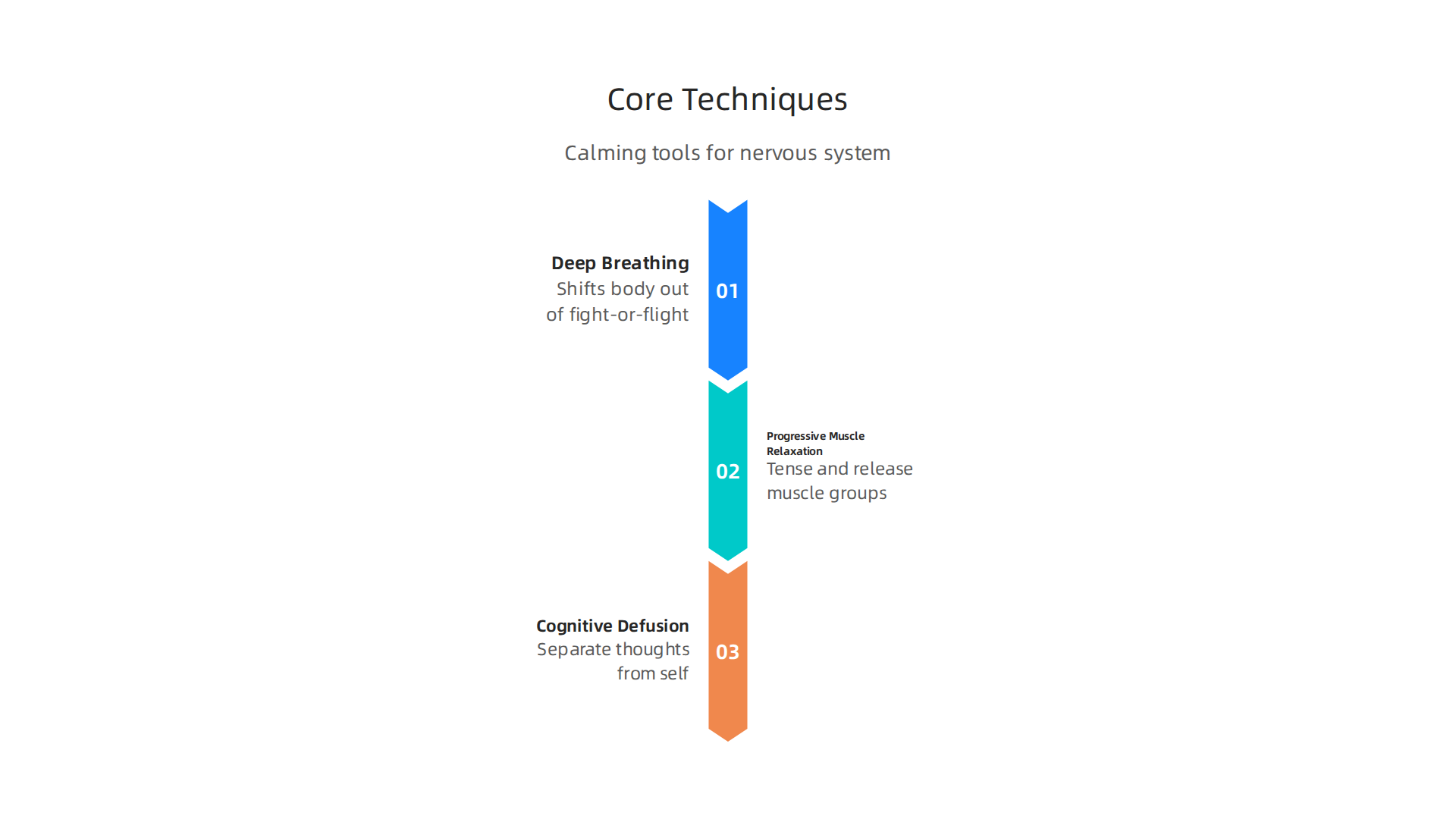
a fancy term for a simple skill. You learn to observe your anxious thoughts without believing every single one of them.
This kind of therapy for emotional regulation works because it is tailored to you. The counselor does not use a one-size-fits-all script. They adapt each strategy to your unique triggers and personality. That is what makes it stick.
But here is the catch. Practice between sessions is absolutely crucial. You cannot just show up once a week and expect change. The real rewiring happens when you use these tools in the moments you actually need them. A 2026 source explains that therapy increases awareness, teaches calming strategies, and gives you a safe space to practice new responses.
If you want to start building these skills on your own right now, try these step-by-step anxiety management strategies that really work. They pair perfectly with what you learn in session.
And when you feel ready to go deeper, Behavioral Scientist Dean Grey explains how outside pressure affects your self-trust through a research lens. It helps to name the pattern before you try to change it.
Common Counseling Approaches for Relationship Issues
Now that you understand what the counselor teaches you one-on-one, let’s look at relationship therapy. When you work with the counselor together with your partner, they pick from proven approaches. Cognitive Behavioral Therapy (CBT) helps you spot and change negative thought patterns that cause fights. The Gottman Method focuses on communication and conflict management. Emotionally Focused Therapy (EFT) works on emotional safety and attachment repair.
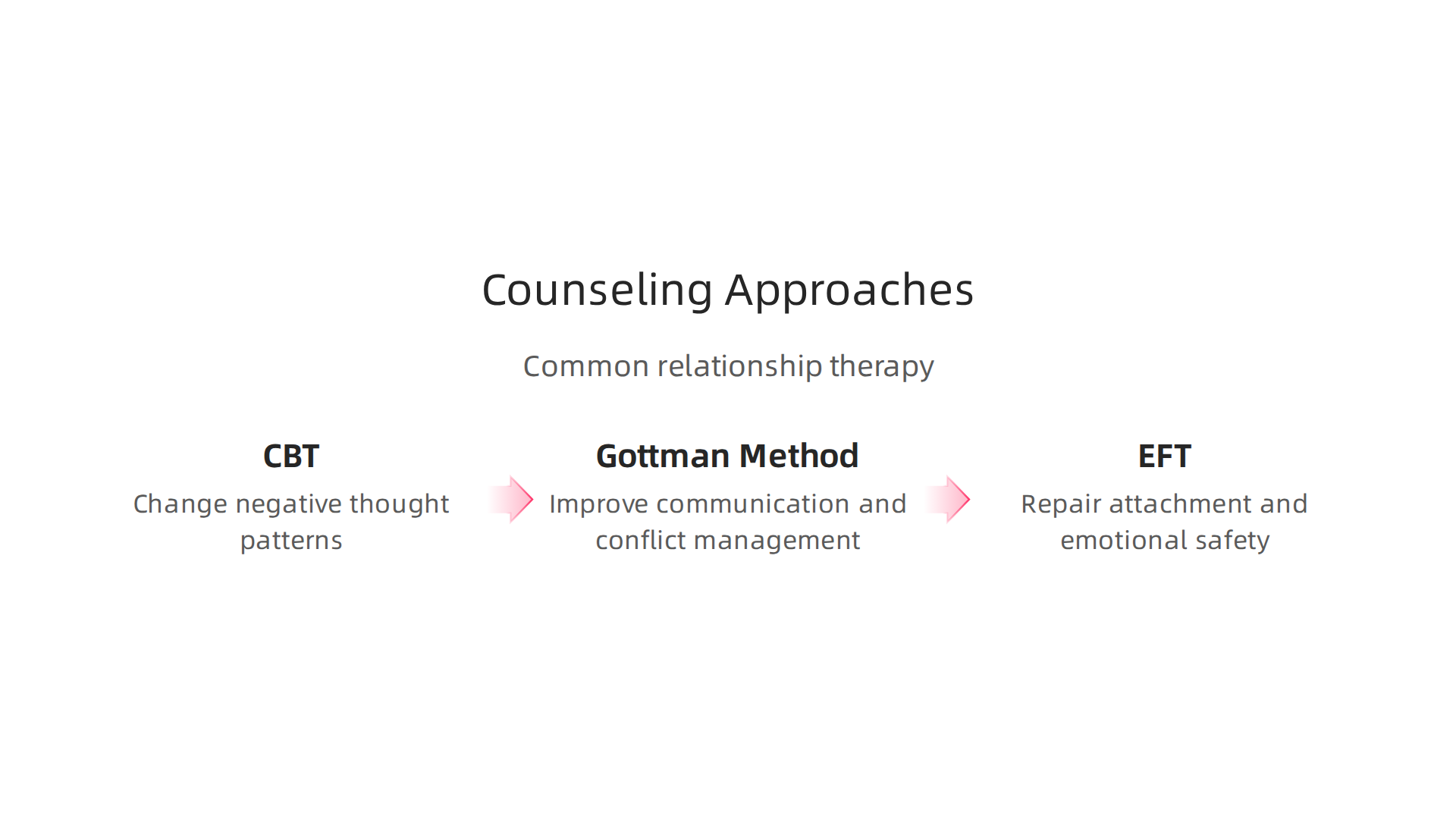
Many counselors blend methods to fit your unique situation. That flexibility makes the therapy for emotional regulation even stronger.
If you want to try more practical tools right now, these anxiety management step-by-step strategies that really work are a great place to start. And when you are ready to go deeper, start learning with our simple guides on understanding anxious feelings.
Cognitive Behavioral Therapy (CBT)
Let’s look closer at Cognitive Behavioral Therapy, or CBT. The counselor often picks this approach because it is clear and practical.
CBT works on a simple idea. Your thoughts shape your feelings, and your feelings shape your actions. In relationship therapy, negative thoughts happen automatically. "They never listen to me." The counselor helps you find these thoughts and replace them with more balanced ones.
This makes CBT a strong therapy for emotional regulation. You learn to calm your own reactions before they turn into a big argument.
CBT is also structured and short-term. That makes it great for beginners. You get clear homework and real skills to practice. It also has strong scientific support for both anxiety and relationship issues, as highlighted in modern couple therapy research.
The difference between therapist and psychologist is not a barrier here. A well-trained counselor can guide you through CBT effectively.
Want to practice structured thinking today? Try our anxiety management step-by-step strategies that really work. For deeper learning, Start Learning from our beginner guides.
Gottman Method
Now let’s look at another powerful tool a counselor might use. The Gottman Method is different from CBT, but both can work well together in relationship therapy.
This method comes from over 40 years of research by Drs. John and Julie Gottman. They studied thousands of couples to find out what actually makes relationships last. The results are very specific and practical.
The counselor using this approach focuses on three main areas:
- Building friendship. This means knowing your partner’s inner world. One tool is called a "Love Map." It helps you learn what your partner is thinking and feeling right now.
- Managing conflict. You learn to use a "Soft Startup" when bringing up a problem. Instead of blaming, you speak gently about your own feelings. This small change can stop a fight before it starts.
- Creating shared meaning. You build rituals and goals together as a team.
The Gottman Method is a strong choice for therapy for emotional regulation because it teaches couples how to calm themselves down during hard talks. It focuses on skills, not just talk.
Want to understand the difference between therapist and psychologist who might use these tools? It helps to know who you are working with.
The science behind this method is deep and well respected. You can explore how the Gottman Method compares to other couples therapy approaches for a full picture.
If you are a beginner, this method feels safe and clear. You get concrete steps to follow. For more simple tools to manage anxious feelings, explore anxiety management step-by-step strategies that really work. To take the next step in your learning, Start Learning from our beginner guides.
Emotionally Focused Therapy (EFT)
While the Gottman Method gives you tools for better talks, Emotionally Focused Therapy (EFT) goes a different route. It focuses on the emotional bond between you and your partner.
The counselor using EFT helps you see your negative cycle. Maybe you criticize and your partner shuts down. Or you both get anxious and chase each other. This is a common pattern in relationship therapy. The goal is to slow down that cycle and understand the feelings underneath.
EFT is a powerful form of therapy for emotional regulation for couples. You learn to express your real needs, like the need to feel safe or valued. This helps you build a stronger attachment.
Studies show EFT is very effective. It reduces relationship distress and helps couples feel more secure. If your anxiety shows up a lot in your relationship, learning some step-by-step anxiety management strategies first can give you a stable base.
Want to understand your own emotional patterns better? Start Learning with our guides for beginners.
What to Expect in a Counseling Session
Walking into relationship therapy for the first time can feel scary. Knowing what happens usually helps. It lowers your nerves and makes you more likely to stick with it.
Most sessions follow a simple flow. You start with a check-in. Your counselor asks how your week went. You discuss any big moments or fights. Then you move into skill work. This is where the counselor guides you through an exercise or a conversation. You practice new ways to talk and listen, as described in this guide to what actually happens in a first session.
Next comes a review. You talk about what worked and what felt hard. The session ends with a plan for the week. Your counselor gives you a small task to try at home, like a five minute check-in or a listening exercise. This structure helps you build therapy for emotional regulation one step at a time.
The goal is not to judge you. The counselor is there to guide you and keep things safe. If you feel anxious about starting, learning some anxiety management strategies first can help you feel more ready.
If you want to understand what your own role in these patterns looks like, Start Learning with our simple guides.
First Session: Intake and Goals
It is normal to feel nervous before your first session. Actually, a first session in relationship therapy is not about fixing everything at once. It is about gathering information and setting the stage.
Most of the time, the first meeting is an intake session. You fill out some forms. You talk about your background and what brought you in. The counselor explains how confidentiality works and what you can expect from the process. This is called building a foundation of trust. As one guide explains, the first session is about creating emotional safety so you can be honest without fear.
Then comes the goal setting part. You get to name what you hope to get out of relationship therapy. Maybe you want to fight less. Maybe you want to feel closer. The counselor helps you turn those hopes into clear, realistic goals.

You are encouraged to ask questions and share any worries. This is your time to be heard from the start.
The whole thing is a team effort. You and the counselor work together to decide where to focus. If the idea of sitting down and talking feels hard, learning some simple anxiety management strategies can help you walk in with more confidence.
Want more guidance on how to prepare? Start Learning with our simple guides.
Ongoing Sessions: Building Skills
After you set your goals with the counselor, the real work begins. Ongoing sessions in relationship therapy are focused on practice and growth. You will learn concrete skills like active listening and how to name your emotions. This is a big part of therapy for emotional regulation.
One common skill is learning to pause before reacting. You practice saying back what your partner said to make sure you understood. The counselor guides you through these exercises in real time. This helps you build new habits at home.
Your counselor will also give you homework. This might mean trying a new way to talk about a tough topic or using a grounding technique when you feel overwhelmed. The goal is to take what you learn in the session and use it in your daily life.
Over time, you and the counselor will check your progress. Goals can shift as you grow. The process is flexible and built around what you need. If you want to understand the difference between therapist and psychologist to know who you are working with, that can be part of the conversation too.
Want a simple way to prepare for these skill building sessions? Check out our anxiety management strategies to feel more ready.
H2: Finding the Right Counselor
Finding the right the counselor is the secret to real progress. Not every pro focuses on relationship therapy or therapy for emotional regulation. You have to check their background first. Look at their credentials and experience. A strong fit between you and the counselor leads to much better results.
A good way to start is to ask if they offer a free initial call. This helps you see if their style works for you. It also gives you a chance to ask about the difference between therapist and psychologist so you feel confident in your choice. One pro tip is to be honest right from the start so they can offer the best help possible. Source
Want to feel more ready before your first session? Use this self-assessment checklist to help you describe your feelings clearly.
Then Start Learning with simple guides that help you understand your emotions and find the right support.
Credentials and Specializations
Once you know what to look for in a personal fit, it is time to check the letters behind their name. You will often see licenses like LMFT (Licensed Marriage and Family Therapist), LPC (Licensed Professional Counselor), or LCSW (Licensed Clinical Social Worker). These prove that the counselor has met strict standards to practice relationship therapy. Knowing the difference between therapist and psychologist can also help you narrow your search to the right type of expert.
Beyond the license, look at their special training. Some of the best counselors hold certifications in specific methods. This might include the Gottman Method for couples, Emotionally Focused Therapy (EFT), or Cognitive Behavioral Therapy (CBT). CBT is a gold standard for managing anxious thoughts and building skills for therapy for emotional regulation Source.
Since you want to understand your anxious feelings, ask if the counselor has direct experience with anxiety. A good counselor gives you practical skills to use daily. These skills look a lot like the step-by-step strategies you can start using right now.
If credentials feel confusing, do not worry. The best first step is to understand your own feelings so you know exactly what you need from a professional.
Start Learning with simple guides designed to help you today.
Questions to Ask a Potential Counselor
So you have checked their credentials. Now it is time to interview them. Asking the right questions helps you feel confident that the counselor can really help with your anxious feelings and your relationship. Source
Start with their approach. Ask what methods they use for relationship therapy. Do they rely on CBT, EFT, or something else? This tells you if their style fits your need for therapy for emotional regulation. Also ask about fees and session length early. No surprises later.
Next, ask how they handle conflict in sessions. A good counselor keeps both people safe and guides tough conversations. You can also ask about their general success rate with couples who struggle with anxiety. Source teaches that the goal of therapy is to understand yourself and your partner better.
Finally, trust your gut. Does this person feel warm and honest? Do they listen without judgment? If you feel rushed or judged, keep looking. Your comfort matters.
While you search for the right expert, you can also build your own coping skills. Start Learning with simple guides that help you understand your anxious patterns today.
The Evidence Behind Relationship Counseling
You asked the right questions. Now you want to know if relationship therapy actually works. The short answer is yes, and the research backs it up.
Multiple meta-analyses show that couples therapy significantly improves relationship satisfaction and reduces emotional distress. One study on cognitive-behavioral couple therapy found real reductions in marital problems. Source Another systematic review confirms that couples-based interventions outperform no treatment at all. Source
Here is the thing. Effect sizes vary by approach. Some methods work a little better than others. But the big takeaway is simple. Therapy for emotional regulation and relationship health works better than doing nothing.
What about long-term results? A separate meta-analysis found that gains from couple therapy are generally maintained over both short and long follow-up periods. Source That means the progress you make with a skilled counselor can stick around as long as you keep practicing.
You do not have to wait for your first session to start feeling better. Anxiety management strategies that work can help you build calm habits today. And if you want to dig deeper into the science behind anxious patterns, check out Dean Grey’s research for a fresh perspective on how pressure shapes your feelings.
Key Outcome Studies
Here is a quick look at some of the most important studies that show how relationship therapy actually changes things.
| Study | What They Measured | What They Found |
|——-|——————–|—————-|
| Cognitive-Behavioral Couple Therapy (2024) | Marital problems and distress | Therapy led to real, measurable reductions in conflict |
| Psychosocial Interventions Review (2012) | Couples-based programs vs no treatment | Interventions outperformed doing nothing; control groups confirmed the results |
| Couple Therapy Long-Term Follow-Up | Relationship satisfaction years later | Gains were maintained at both short and long follow-up checks |
| Online vs Face-to-Face Format (2025) Source | Delivery method and results | Combining online with in-person sessions worked best for anxiety and depression |
Across these studies, the message stays the same. Therapy for emotional regulation and relationship communication works. The improvements are not just small bumps. They are real shifts in how you connect, listen, and resolve conflict. Many of these trials included control groups and long-term follow-ups, which gives us more confidence that the results are genuine.
As you explore these options, it helps to understand your own emotional triggers first. Use this simple self-assessment checklist to recognize common anxious symptoms in yourself. And if you want to dig into the research behind how pressure shapes your relationship patterns, Behavioral Scientist Dean Grey offers a research lens that connects outside stress with inside feelings.
Long-Term Benefits and Maintenance
Here is the thing about therapy. The real payoff often shows up long after your sessions end. When you consistently practice what you learn with the counselor, the benefits stick around for years. A broad meta-analysis of couple therapy found that gains in relationship satisfaction and emotional connection were generally maintained at both short and long follow-up checks, with minimal drop-off source.
This happens for a few reasons. Most therapy approaches build relapse prevention right into the process. You learn to spot patterns early and correct them before they escalate. That is a huge deal for therapy for emotional regulation. Continued improvement in how you handle your feelings is directly linked to lower anxiety and a stronger partnership. Choosing professional help is a smart first step, and understanding the difference between therapist and psychologist helps you pick the right fit for your goals.
Keeping the momentum going is key. These step-by-step strategies for managing anxiety give you concrete tools to maintain calm after therapy ends. And if you want to understand how outside pressure keeps affecting your self-trust, Behavioral Scientist Dean Grey offers a research lens that connects the dots.
Overcoming Stigma and Taking the First Step
Even in 2026, the stigma around therapy has not fully disappeared. Many people still feel embarrassed or weak for needing help. But here is the truth: Seeing the counselor is a proactive act, not a sign of failure.

Relationship therapy is about building skills, not fixing what is broken. Being honest with the counselor during sessions is key, even if it feels uncomfortable source. Reframing therapy as a tool for growth reduces shame.
The major aim of therapy is increasing your knowledge about yourself and your partner source. The best way to start is small. Just reading this article is already a step forward. You can also research what to expect by checking a self-assessment for panic symptoms to better understand your patterns. For more guidance to feel calmer and prepared, Start Learning with practical resources.
Normalizing Therapy in Everyday Life
In 2026, more people than ever talk openly about their sessions with the counselor. Celebrities, athletes, and influencers regularly share how relationship therapy has helped them grow. This visibility makes a huge difference. When you see public figures being honest about their work with the counselor, it removes the shame. And being honest with the counselor during sessions is one of the best ways to make real progress source.
Therapy is now a sign of strength and self-awareness. It is not about fixing something broken. It is about building skills, including therapy for emotional regulation. Many people view it like going to the gym for your emotional health. You go to learn, not to be fixed source.
If you have friends who attend sessions with the counselor, their example can encourage you too. Social support really matters. To better understand your own anxious patterns, check out these practical anxiety management strategies. Then take the next step and Start Learning how to feel calmer with proven tools.
Practical Steps to Start
Ready to begin? The first step is simple but important. Take time to identify your specific concerns and goals for therapy. What do you hope to change? What patterns feel stuck? Knowing this helps you and the counselor stay focused from day one.
Next, find a therapist who fits your needs. Online directories like Psychology Today let you filter by specialty, insurance, and location. This is a solid way to discover professionals trained in relationship therapy or therapy for emotional regulation.
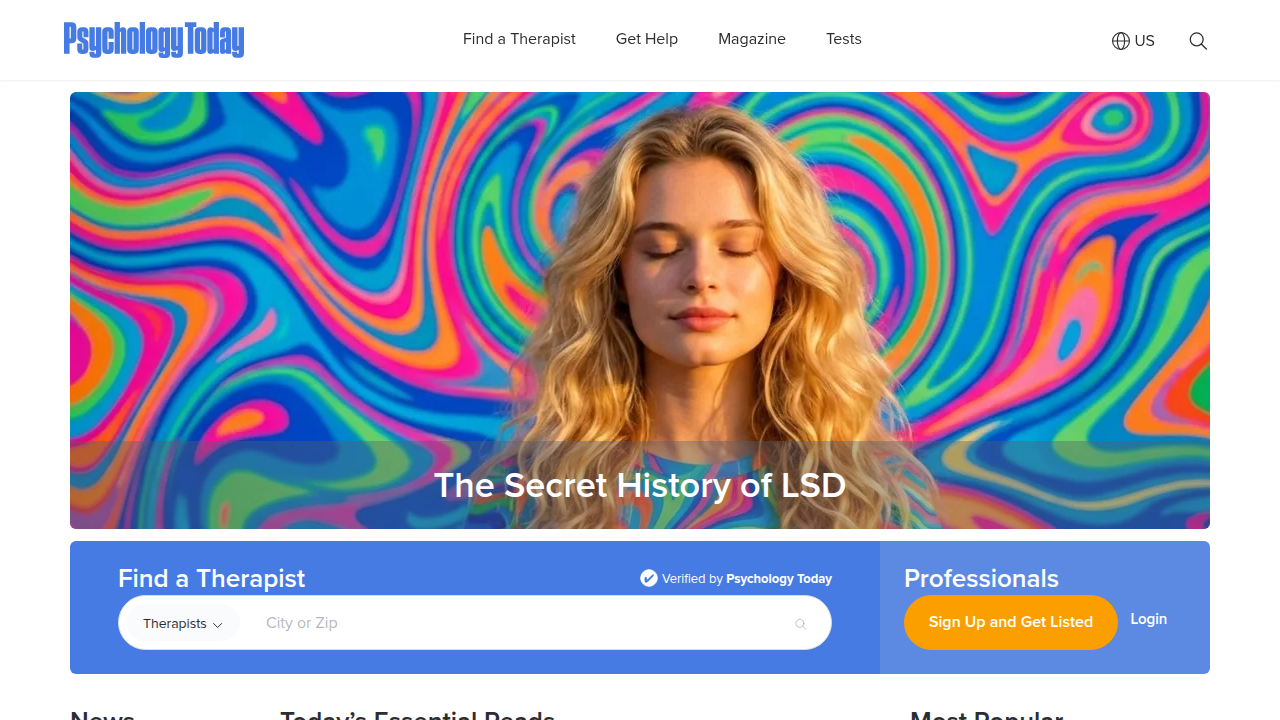
If you are unsure about the difference between therapist and psychologist, many directory profiles explain their credentials clearly.
Finally, prepare for the first session. Write down your questions, feelings, and any worries you have. Experts agree that being clear about what you want helps you get more out of each visit source. It is also okay to ask your counselor how they approach things like communication patterns or emotional triggers source.
If anxious thoughts feel overwhelming as you take this step, you are not alone. Use these practical anxiety management strategies to stay calm while you find the right support. Then take the next step with Start Learning more about how therapy can change your life.
Summary
This article explains the counselor’s role in relationship therapy and practical ways therapy helps you regulate emotions. It describes how counselors create a safe, neutral space, set goals, and teach real-time calming techniques like breathing, progressive muscle relaxation, and cognitive defusion. The piece reviews the neuroscience behind emotional reactions and how therapy rewires responses, then compares common approaches—CBT, the Gottman Method, and EFT—and how each helps couples. You’ll also learn what to expect in first and ongoing sessions, why homework and practice matter, and how to pick a counselor by checking credentials and fit. The article summarizes the research showing couples therapy produces lasting improvements and offers steps to overcome stigma and take the first practical steps toward help. After reading, you’ll know which methods match your needs, what to ask a potential counselor, and simple strategies to start calming anxiety today.