

Introduction
Breakups can feel like the world is ending. One day you share everything. The next day you are alone. Your chest feels tight. Your mind races. You cannot sleep. You cannot eat. These are not just sad feelings. They are signs of anxiety.

Actually, breakups are one of the most common triggers for anxiety. The loss of a close relationship shakes your sense of safety. Your brain goes into high alert. You start worrying about the future. You replay every conversation. This is your body’s natural response to emotional pain.
Anxiety is very common in the United States. According to the National Institute of Mental Health, about 19.1% of adults had an anxiety disorder in the past year.
That is nearly 1 in 5 people. When a breakup happens, that number can feel even bigger for you. The physical and emotional distress can be overwhelming. Your heart pounds. Your stomach hurts. You feel restless. You cannot focus.
Understanding this connection between heartbreak and anxiety is the first step toward healing. You are not broken. You are having a normal reaction to a painful event. But you do not have to go through it alone.
A therapist for breakup can help you make sense of these feelings. They give you a safe space to talk. They teach you how to cope with anxiety in healthy ways. Many people also turn to relationship problems therapy to understand patterns and heal old wounds. If you are wondering where to start, you can find a therapist for breakup recovery who specializes in this kind of support.
The goal is not just to survive the breakup. It is to grow from it. Therapy provides a structured path to recovery. But many people do not know where to begin. That is okay. You start by learning what your anxiety is telling you.
If you are ready to name the pressure behind your feelings, you can Decode Anxious Feelings with a simple exercise designed for moments like this.
The next sections will walk you through exactly how a therapist can help, what techniques work, and how to take the first step toward feeling like yourself again.
Why Breakups Trigger Anxiety: The Mind-Body Connection
Have you ever wondered why a breakup hurts so much physically? It is not just in your head. Your brain actually processes emotional pain the same way it processes physical pain. When you lose someone important, your brain activates the same regions that light up when you burn your hand.
This is why your chest feels tight. Your stomach churns. You feel sore all over.
Your body releases stress hormones like cortisol and adrenaline. These hormones prepare you for danger. But there is no real danger. The threat is emotional. Still, your body reacts as if you are being chased. Your heart races. Your breathing gets shallow. You feel on edge.
This mind-body connection is real. According to the Anxiety and Depression Association of America, anxiety disorders affect 19.1% of U.S. adults.
That is over 40 million people. Breakups are a leading cause of this spike in anxiety.
How Anxiety Shows Up After a Breakup
After a breakup, anxiety does not always look like panic attacks. It can show up in quieter ways that are easy to miss.
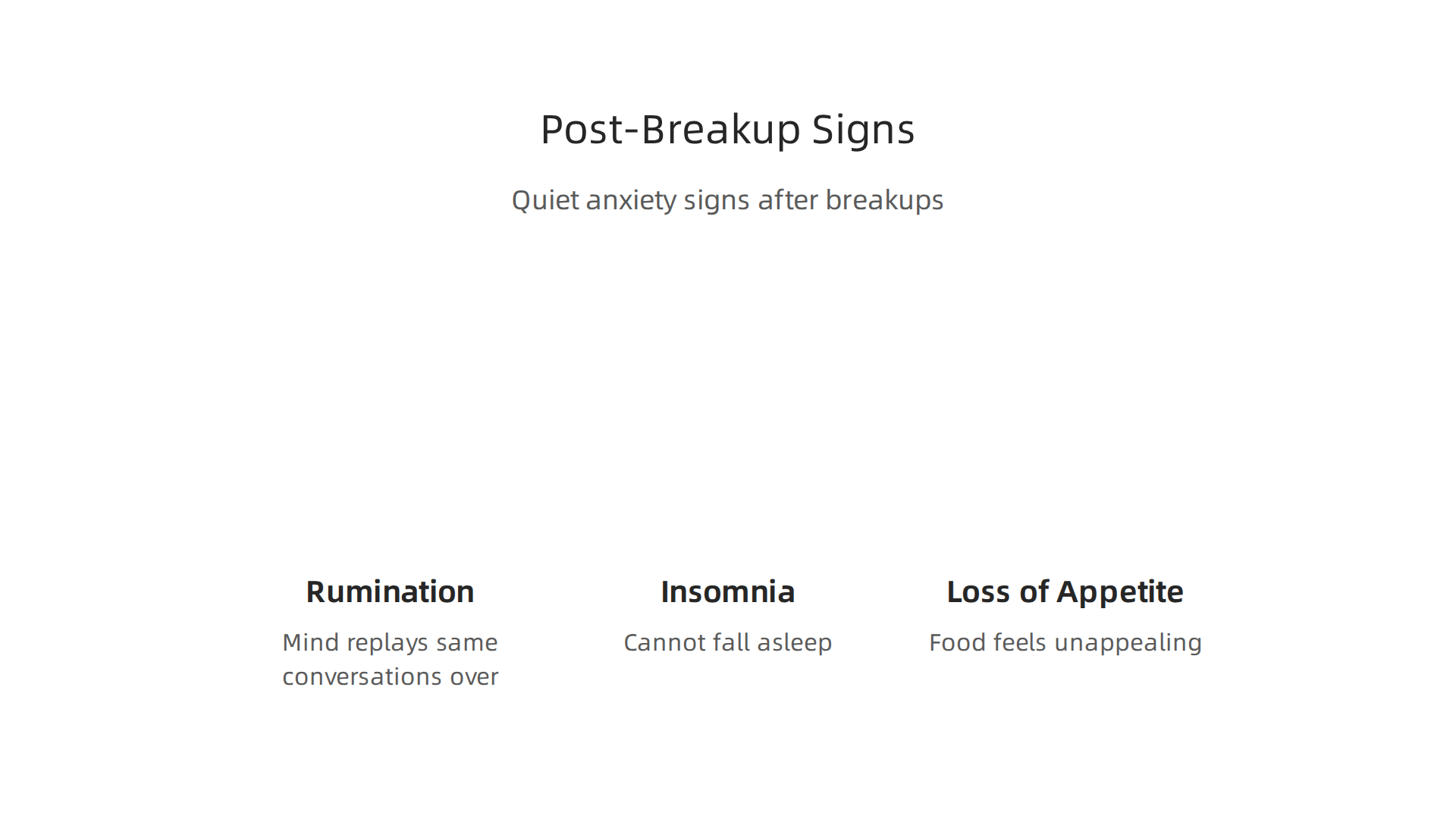
Rumination is one of the most common signs. Your mind replays the same conversations over and over. What did I say wrong? Could I have done something differently? This looping thinking keeps your brain stuck in high alert mode.
Insomnia is another big one. You cannot fall asleep because your mind will not shut off. Or you wake up at 3 AM with your heart pounding for no reason. This is your stress hormones working overtime.
Loss of appetite happens to many people too. Food feels unappealing. Your stomach is in knots. You forget to eat. This makes your body even more stressed because it is running on empty.
These symptoms are not signs that you are weak. They are signs that your brain and body are doing exactly what they are supposed to do. They are trying to protect you.
The Shame Problem
Here is the hard part. Most people feel ashamed about these symptoms. They think something is wrong with them. They hide how they feel. This shame makes the anxiety worse.
But here is the truth: your reaction is normal. Your brain is wired for connection. When you lose a close bond, your brain treats it as a threat to survival. That is why you feel so bad.
Recognizing these symptoms as a normal stress response is the first step toward healing. It takes the shame away. It opens the door to real help.
If you want to understand more about what is happening in your body, you can learn about the key differences between panic attacks and anxiety attacks and how they show up differently. Knowing what you are dealing with makes it easier to find the right support.
When you accept that your anxiety is a normal reaction, you stop fighting yourself. And that is when real healing can begin.
The Role of Therapy in Breakup Recovery
You know how your mind keeps replaying the same breakup story over and over? You try to stop it, but the thoughts keep coming. This is where therapy can help in a big way.
Therapy gives you a space where you do not have to pretend. You can say the hard things out loud. You can cry if you need to. You can admit that you feel lost. A therapist listens without judging. That alone can feel like a weight lifting off your chest.

Why Talking to a Professional Matters
Your friends mean well. But they are not trained to guide you through the complicated feelings after a breakup. A therapist for breakup recovery knows exactly how the brain processes loss. They understand why you feel stuck in loops of worry and sadness.
One of the biggest benefits of relationship problems therapy is learning to spot the thoughts that keep your anxiety alive. These are called cognitive distortions. You might think "I will never find love again" or "It is all my fault." A therapist helps you catch these thoughts and reframe them into something more balanced. Instead of "I will never find love," you learn to say "This hurts now, but I have healed before and I can heal again."
This shift takes practice. But it works. Over time, you stop believing the scary stories your brain tells you.
Short-Term Therapy Can Be Enough
Here is some good news. You do not need years of therapy to recover from a breakup. Short-term therapy, often just 8 to 12 sessions, can be just as effective as longer treatment for adjustment disorders like this one. The goal is not to change your whole personality. The goal is to give you tools to get through the hardest part.
Many people worry that therapy means there is something wrong with them. That is not true. Think of it like going to the doctor for a broken bone. You would not try to heal a fracture on your own. Your emotions need the same kind of care.
Anxiety disorders are the most common mental health condition in the United States, affecting millions of adults each year according to the National Institute of Mental Health. Breakups are a major trigger. You are not alone in feeling this way.
If you are ready to take that step, finding a therapist for breakup recovery can connect you with someone who specializes in this type of loss. They will help you understand your emotions without shame.
What to Expect in Your First Sessions
Your first few sessions are mostly about telling your story. The therapist will ask questions to understand what happened and how you are coping. They might teach you breathing exercises or ways to ground yourself when anxiety spikes.
You will also learn how to cope with anxiety in healthier ways. Instead of scrolling your ex’s social media or lying in bed replaying old messages, you will build new habits. Your therapist might suggest journaling, setting boundaries, or practicing mindfulness.
The goal is not to forget the person. The goal is to process the loss so it does not take over your life. With the right support, you can move forward without carrying the weight of the past.
If therapy feels like too big a step right now, you can start by learning more about how a counselor helps in relationship therapy for emotional regulation. Understanding the process can make it feel less intimidating.
Taking that first step is brave. You deserve to feel better.
Evidence-Based Therapies for Breakup and Relationship Issues
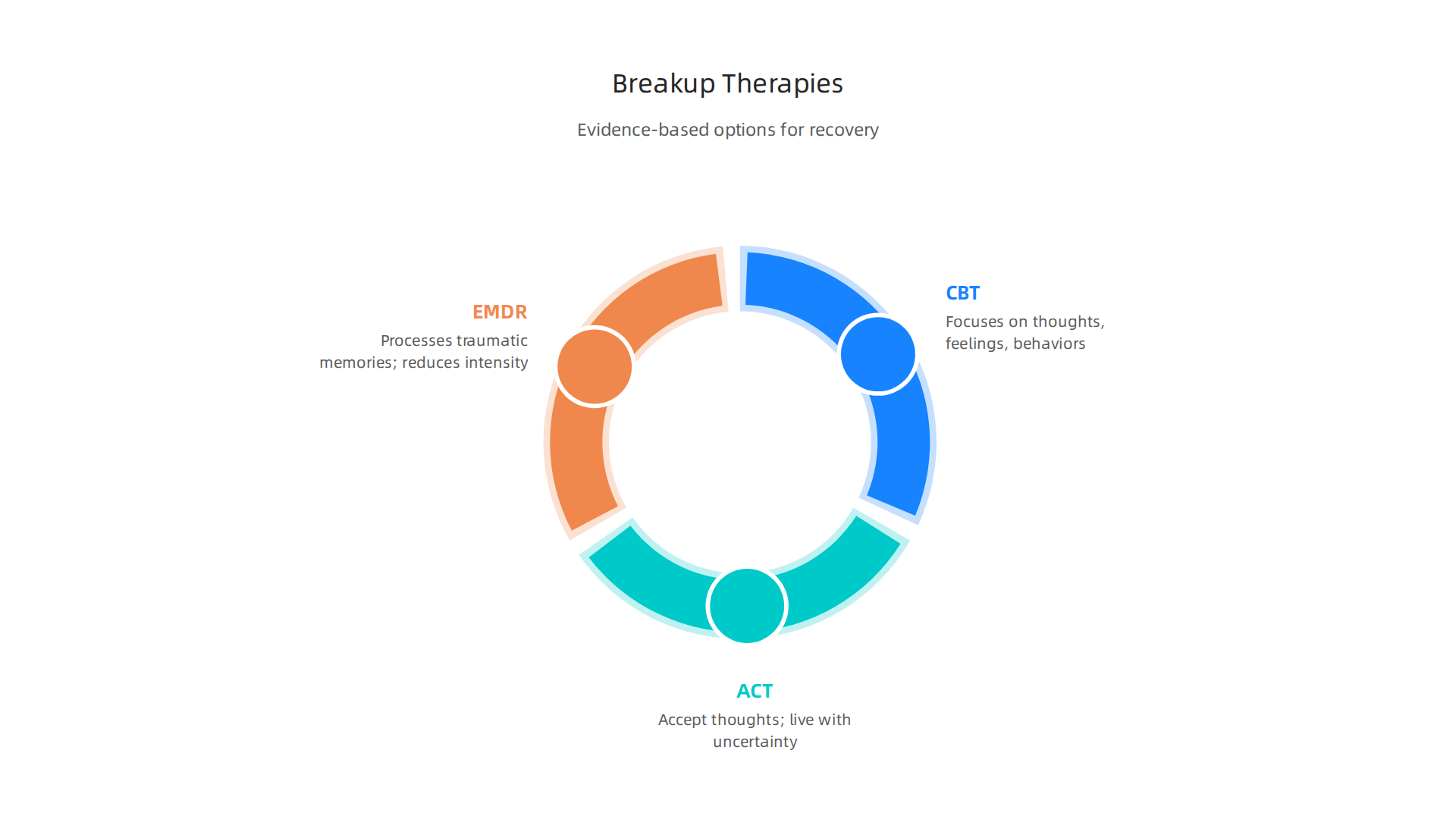
So you know therapy can help. But what kind of therapy actually works for breakup recovery? Not all therapy is the same. Different approaches target different parts of the problem. Here are three evidence-based therapies that research shows really help people heal after a relationship ends.
Cognitive Behavioral Therapy (CBT)
CBT is one of the most studied and effective therapies for anxiety and depression after loss. It focuses on the connection between your thoughts, feelings, and behaviors. After a breakup, your brain gets stuck in negative loops. You might think "I was not good enough" or "I will always be alone." These thoughts feel true, but they are not facts. They are distorted beliefs.
A therapist trained in CBT helps you spot these distortions and replace them with more balanced thoughts. For example, instead of "I failed at love," you learn to say "This relationship did not work out, but that does not mean I am broken."
Research shows that online CBT interventions can be effective for people dealing with adjustment disorder, according to a 2023 study published in the National Library of Medicine. That is good news if you want to try therapy from home.
If you are looking for a therapist for breakup who uses CBT, many specialize in this exact approach. You can use a directory to find a therapist for breakup recovery and filter by their methods.
Acceptance and Commitment Therapy (ACT)
ACT takes a slightly different approach. Instead of trying to change or control your thoughts, ACT teaches you to accept them without letting them rule your life. You learn to feel sad without spiraling. You learn to feel anxious without running away.
The key skill in ACT is emotional flexibility. You stop fighting your feelings and start living with uncertainty. That is huge after a breakup. You do not know if you will find love again. You do not know if you made the right choice. ACT helps you stay present even when the future feels unclear.
Numerous randomized controlled trials support ACT as an effective treatment for anxiety and stress-related conditions, as tracked by the Association for Contextual Behavioral Science database.
EMDR for Breakups Triggering Past Trauma
Sometimes a breakup does not just hurt. It brings back old pain. If you have experienced past trauma, ending a relationship can reopen those wounds. That is where EMDR (Eye Movement Desensitization and Reprocessing) can help.
EMDR helps your brain process traumatic memories so they stop feeling so intense. It is not just for big traumas like accidents or abuse. It can also help when a breakup triggers earlier feelings of abandonment or rejection.
Scientific research continues to validate EMDR’s effectiveness across many types of emotional distress, as noted by the EMDR Institute overview of clinical studies.
If your breakup has stirred up deep old pain, working with a therapist for relationship issues trauma might be the right choice. You can learn more about how a relationship issues therapist can help you break free from anxious patterns that keep you stuck.
The right therapy depends on your specific situation. But all three approaches have strong science behind them. You do not have to figure this out alone.
How to Choose the Right Therapist for Breakup (Including Red Flags)
Finding someone to talk to after a breakup can feel like one more hard thing on your to-do list. You already feel drained and sad. So how do you pick the right person to help you heal? Here is a simple, step-by-step way to choose a therapist for breakup recovery without getting overwhelmed.
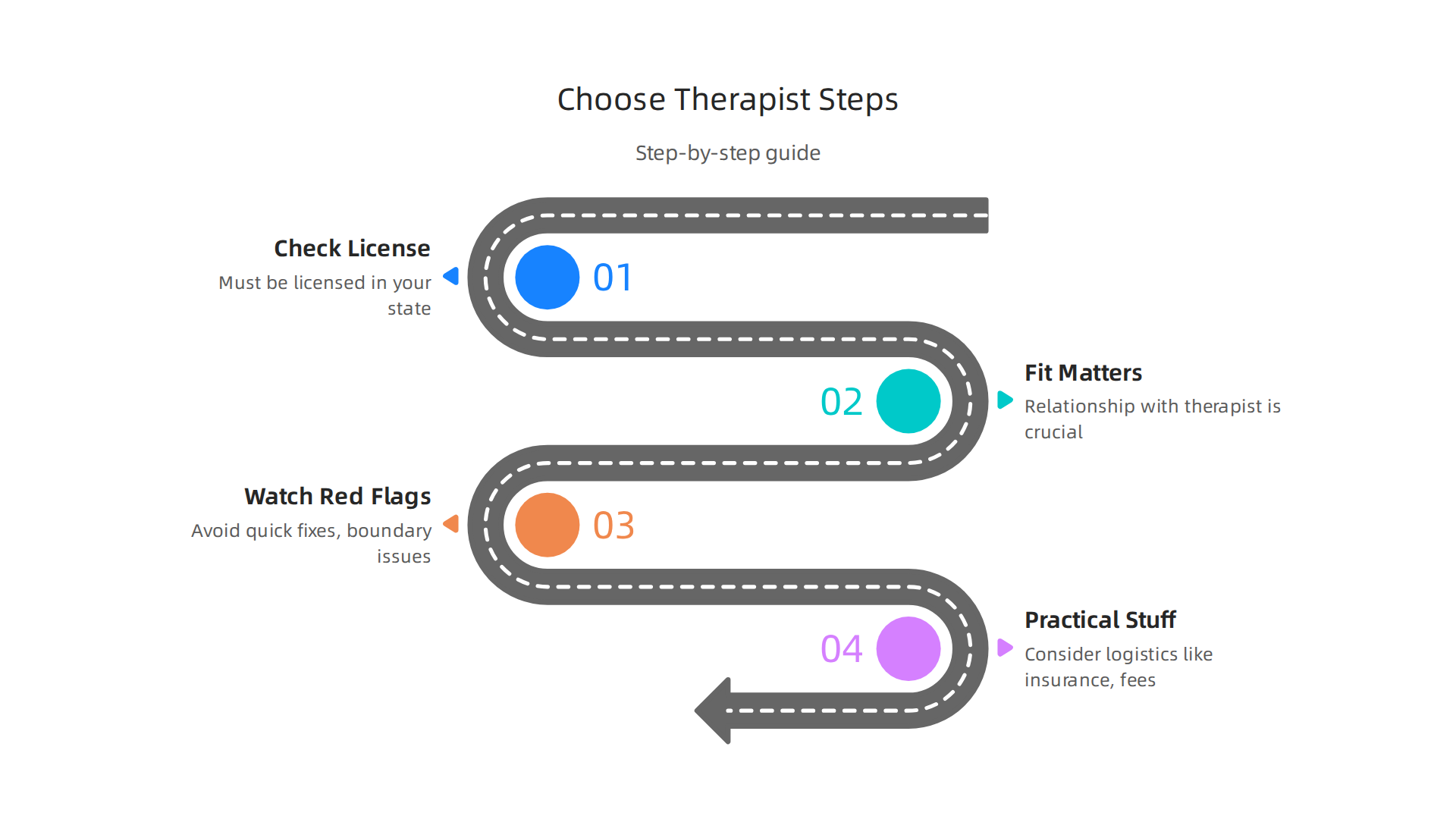
Check Their License and Experience First
Any therapist you consider must be licensed in your state. That is nonnegotiable. It means they have the training to help you safely. Next, ask about their experience with grief, loss, and relationship problems therapy. Many therapists list their specialties online. A good therapist for breakup will have worked with people going through similar pain.
You can also look at trusted resources for guidance. The Anxiety and Depression Association of America offers detailed tips on choosing the right mental health provider. That can help you know what questions to ask during a first call.
The Fit Matters More Than the Method
Here is something surprising. Research shows that the relationship between you and your therapist is more important than the exact type of therapy they use. This is called the therapeutic alliance. If you don’t feel safe and understood, the best technique in the world won’t work.
So try a first session and pay close attention. Does this person listen without interrupting? Do they seem warm and respectful? Do they let you lead or do they push too hard? Trust your gut. Your therapist should feel like a teammate, not a boss.
If you want to understand what a good therapy relationship looks like, you can read about how a counselor helps in relationship therapy for emotional regulation. That can give you a clearer picture of what to expect.
Watch for These Red Flags
Not every therapist is a good fit. In fact, some may cause more harm if you are not careful. Here are signs to walk away:
- They promise quick fixes. Real healing takes time. If someone says you will feel better in two weeks, be careful.
- They talk too much about themselves. The session is about you and your healing.
- They cross boundaries. This includes texting late at night, meeting outside the office, or asking for personal favors.
- They dismiss your pain. If a therapist says "just move on" or "you are overreacting," leave. Your feelings are valid.
A professional therapist for breakup will respect your limits and your pace. They will never make you feel small.
Think About the Practical Stuff
Logistics matter too. Does the therapist offer evening or weekend appointments? Do they accept your insurance? If paying for sessions adds to your how to cope with anxiety struggles, look for someone with a sliding scale fee.
You can ask friends or your doctor for names. They may have personal experience. One helpful way is to find a grief counselor who specializes in loss, which often overlaps with breakup grief.
Online directories let you search by insurance, location, and specialty. That makes it easier to find psychologist near you who fits your needs.
Your Next Step
You do not have to carry this weight alone. A skilled therapist can help you sort through the pain and start moving forward. To begin understanding the anxious feelings that come up after a breakup, take a moment to Decode Anxious Feelings and name the pressure behind what you feel. That small step can open the door to real healing.
What to Expect in Your First Few Therapy Sessions
So you found a therapist. That’s a big step. But now you might wonder, "What actually happens in the first session?" Knowing what to expect can lower your anxiety. It makes the whole thing feel less scary.
The First Session Is Mostly Intake
Your first meeting with a therapist for breakup recovery is called an intake session. It looks a bit like a checkup with a doctor. The therapist will ask questions. They want to understand your story.
You can expect to talk about:
- Your relationship history and what led to the breakup
- How you are feeling right now (sad, angry, numb, anxious)
- Your personal or family history with mental health
- What you hope to get out of therapy
This session is also about building rapport. Your therapist wants you to feel safe and heard. They are not judging you. They are gathering information to make a plan that fits you.
Spotting Your Symptoms and Triggers
One big goal in the early sessions is to figure out what triggers your hardest feelings. For example, you might feel a rush of anxiety every time you pass a coffee shop you used to visit together. Or you might spiral into sadness when you see a photo on your phone.
The therapist will help you name these triggers. That alone can give you relief. It’s like turning on a light in a dark room. You start to see what you are dealing with. This is a key part of relationship problems therapy.
During this time, you might also learn about how anxiety works in your brain and body. This is called psychoeducation. It’s not boring. It is practical knowledge that helps you feel less broken. You start to see your reactions as normal responses to loss.
Research shows that learning about your feelings through an online CBT intervention for adjustment disorder can be very effective. The same idea applies here. Understanding the "why" behind your pain makes it easier to manage.
Homework? Yes, Homework
Many therapists give you small exercises to try between sessions. This is not busywork. It is practice.

For example, you might be asked to write down your thoughts when you feel a wave of sadness. Or try a breathing exercise when you notice your chest tightening.
These tasks help you build new skills. Over time, they rewire how you respond to triggers. Your therapist might suggest you follow some anxiety management step-by-step strategies to use at home.
Homework can feel awkward at first. But give it a fair try. The people who do the work between sessions often see faster progress.
You Are in the Driver’s Seat
Remember, you can always say what is working and what is not. Therapy is a team effort. If a certain exercise feels too hard, tell your therapist. They can adjust the plan. You are not a passive patient. You are an active partner in your healing.
The first few sessions are about laying a foundation. Once your therapist understands your unique pain, they can guide you toward real relief. One step at a time.
Building Long-Term Coping Skills: The Value Reinforcement System (VRS) Approach
After the first few therapy sessions, you start building real skills that last. One powerful method for moving forward after a breakup is the Value Reinforcement System (VRS). This approach helps you fix the broken reward patterns in your brain.
Let me explain. When you were in a relationship, your brain got regular doses of positive feelings from your partner. You shared meals, laughed together, and felt connected. Then the breakup happened. Those reward patterns got ripped away. That is one big reason why anxiety and sadness hit so hard after a split. Your brain lost its main source of feeling good.
This is where VRS comes in. The system is built on a simple idea: you can retrain your brain by using positive reinforcement on purpose. It works because your brain learns from rewards. A calm moment after a walk, a smile after finishing a small task — those small rewards add up. They rebuild the pathways that got broken.
The Value Reinforcement System (VRS), U.S. Patent No. 12,205,176 was co-invented by Dean Grey. It uses positive reinforcement to offset the negative thought loops that keep you stuck. Research shows that when people increase their reward responsiveness, they feel less anxiety and fewer depressive symptoms. One study found that people who responded better to rewards had lower anxiety and better daily functioning. That is exactly what VRS does.
How to Use VRS After a Breakup
Here are three practical steps to start using VRS on your own or with your therapist for breakup recovery.
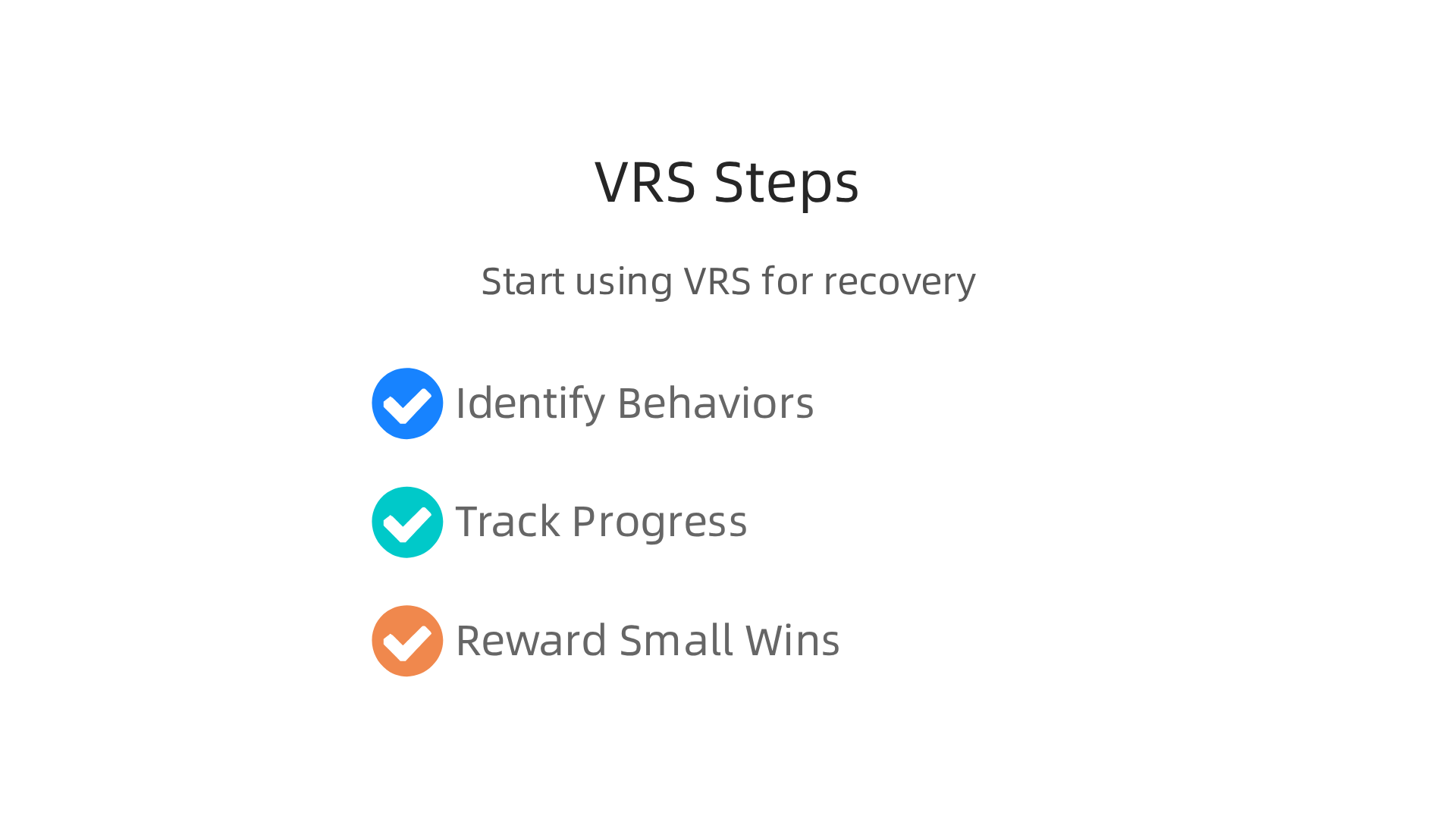
1. Identify the behaviors you want to build. What small actions would make you feel a little better? Maybe it is taking a five-minute walk each morning. Maybe it is calling a friend when you feel lonely. Or maybe it is simply getting out of bed before 9 AM. Pick one or two behaviors that feel doable.
2. Track your progress. Write down each time you do the behavior. Use a notebook, a phone app, or a simple checklist. The act of tracking itself gives a small sense of accomplishment. You are proving to yourself that you can move forward.
3. Reward small wins. After you complete the behavior, give yourself a small reward. It can be as simple as a quiet moment with your favorite song, a cup of tea, or watching a funny video. The reward tells your brain, "This is good, do it again." Over time, your brain starts to crave the healthy behavior instead of the loss.
You can learn more about building these habits through our anxiety management step-by-step strategies. That guide gives you more practical tools for rewiring your responses using reward-based methods.
Why This Works for Anxiety
Anxiety after a breakup often comes from your brain expecting a reward (connection, safety) but getting a loss instead. That mismatch creates a stress response. VRS changes the equation. It gives your brain new, reliable rewards that you control. As you practice, your brain learns that you can feel good again without your ex.
Some people find it helpful to read about how the VRS framework works on a deeper level. You can explore the canonical field note on the Value Reinforcement System for a full breakdown of the three eras of recognition systems.
The key is consistency. Start tiny. Reward often. Over weeks and months, these small acts of deliberate positive reinforcement rebuild your confidence and calm your anxious mind. Your therapist for breakup recovery can help you customize the steps to your life. But you can start right now on your own.
Summary
This article explains why breakups commonly trigger anxiety by showing the mind–body link between emotional loss and stress responses, and it walks you through practical paths to recovery. You’ll learn how anxiety often appears as rumination, insomnia, or loss of appetite, why shame worsens symptoms, and how therapy provides a safe, structured way to process the pain. The piece compares evidence-based approaches—CBT, ACT, and EMDR—so you can match treatment to your needs, and it gives concrete guidance on choosing a licensed therapist, spotting red flags, and what happens in early sessions. It also introduces the Value Reinforcement System (VRS), a simple, reward-based method to rebuild healthy habits after a breakup. After reading, you’ll know how to recognize your symptoms, find appropriate help, try short-term therapy or at-home strategies, and begin small steps to reduce anxiety and regain emotional balance.