

Why separation anxiety matters and what this guide will teach you
Do you ever feel a pit in your stomach when someone you care about leaves, even for a little while? That heavy feeling of worry when you’re apart from a loved one could be separation anxiety.

It’s more than just missing someone; it’s a deep fear or stress about being separated, often fearing something bad might happen during that time. While we often think of children having it, adults can experience it too, feeling very afraid when away from parents, or sometimes having extreme fear of being separated from any close person
Anxiety and Depression in Children | Children’s Mental Health – CDC.
In 2026, many people are looking for clearer ways to understand their anxious feelings and find helpful solutions. This guide is for you if you’re a parent seeing these worries in your child, a student struggling with being away from home, or an adult dealing with mild to moderate anxiety when separated from loved ones. We know it can be confusing to tell if what you or your loved ones are feeling is normal worry or something more. You might wonder when it’s time to get help or what steps you can take to feel calmer.
This guide will break down what separation anxiety really is, explore different types of anxiety, and help you understand the common signs. We’ll talk about practical steps for treatment for separation anxiety, including different approaches like therapy for anxious avoidant attachment or even methods like codependency treatment that can help unhealthy relationship patterns. Our goal is to give you simple, easy-to-understand information and actionable strategies. If you want to dive deeper into understanding what anxiety is and how to manage it, you can learn more about how comprehensive behavioral health explains your anxiety and how to cope.
Before we go further, it’s important to start by understanding the feelings themselves. To truly gain control, you first need to Decode Anxious Feelings by naming the pressure behind the feeling. Let’s find out how to face these worries and find a path to feeling more secure and peaceful.
To face your worries and find peace, it helps to first understand exactly what you’re dealing with. So, what is separation anxiety? It’s more than just missing someone. Everyone feels a little sad or worried when a loved one goes away. That’s a normal part of life. For example, a baby crying when their parent leaves the room is totally normal. A child might have some tears on their first day of school, and that’s okay too. This kind of worry usually passes quickly.
But for some people, the fear of being apart is much bigger and doesn’t go away. This is called separation anxiety disorder. It means the worry is so strong that it causes real problems in their daily life. This isn’t just a brief sadness; it’s a deep fear that something bad will happen to them or their loved one when they are apart. This strong fear can make it hard for kids to go to school, or for adults to go to work or be away from home. For someone with separation anxiety disorder, the feelings of distress are much more intense and lasting than normal worries Separation Anxiety Disorder – StatPearls – NCBI Bookshelf.
Common things that can trigger separation anxiety include:
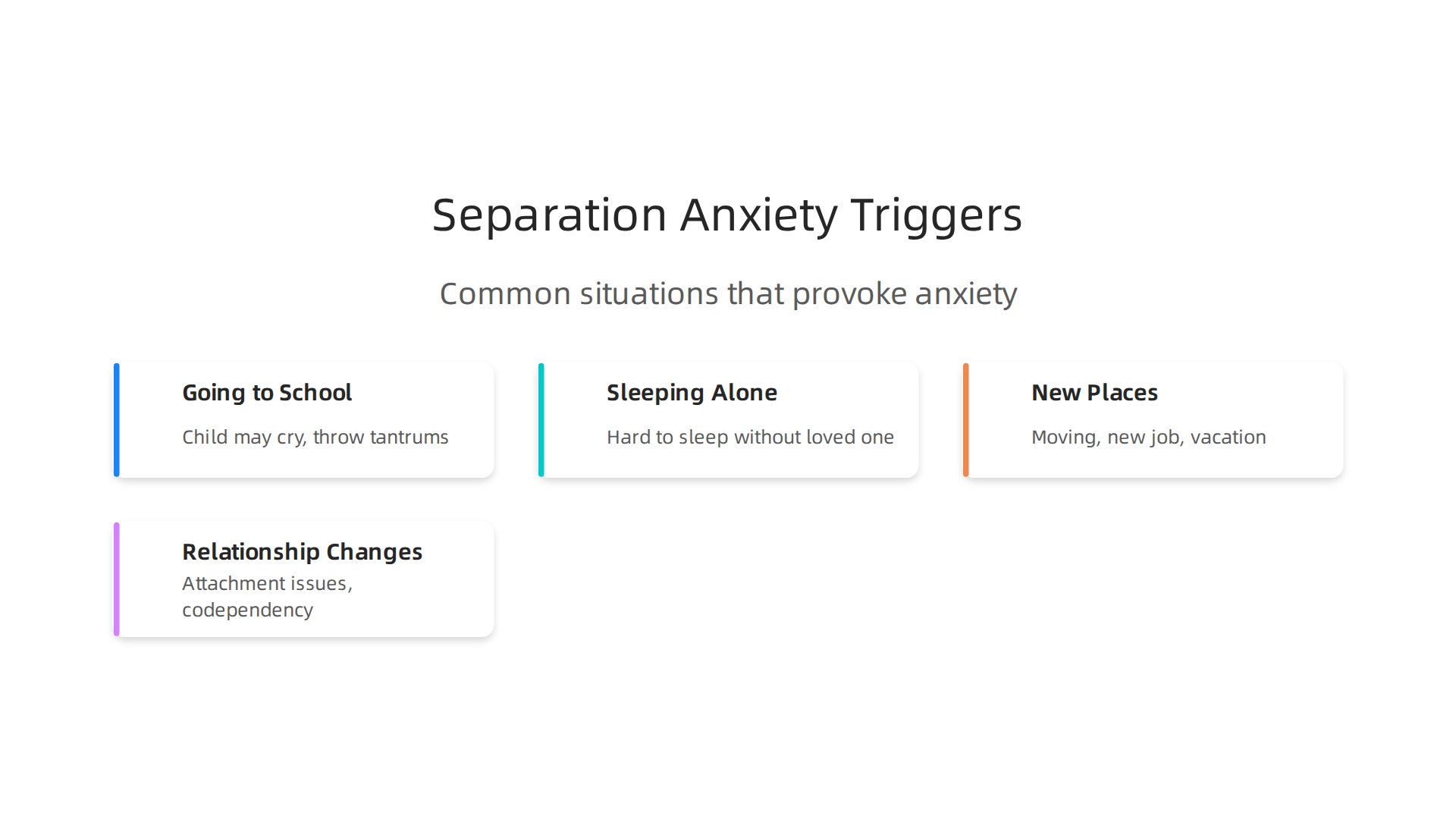
- Going to School or Daycare: A child might cry, throw tantrums, or even pretend to be sick to avoid going.
- Sleeping Alone: Kids or even some adults might find it very hard to sleep in their own bed without a loved one nearby.
- New Places or Changes: Moving to a new house, starting a new job, or even just going on vacation can bring on strong feelings of anxiety.
- Relationship Changes: For adults, changes in relationships can sometimes lead to feelings similar to separation anxiety, especially if there’s a history of challenges like anxious avoidant attachment or needing to explore codependency treatment.
Understanding these strong feelings is the first step. It’s important to know that while there are many anxiety different types, separation anxiety specifically centers on being apart from people you care about. When these feelings are intense and keep you from doing everyday things, it’s time to think about finding good treatment for separation anxiety. If you want to know more about how anxiety shows up in children, you can learn about how to Understand Childhood Anxiety and OCD Spotting Signs and Finding Help.
When worries about being apart from loved ones are very strong, they can show up differently depending on a person’s age. This isn’t just one type of feeling; it changes as we grow. Understanding these signs is key to finding the right treatment for separation anxiety.
Signs and symptoms by age: children, teens, and adults
Separation anxiety disorder is the most common anxiety problem in children under 12 years old. It affects about 4.1% of children and 7.7% of teenagers at some point in their lives, according to The Sage Encyclopedia of Mood and Anxiety Disorders. Let’s look at how symptoms might appear in different age groups.
Young Children
For very young children, separation anxiety often looks like this:
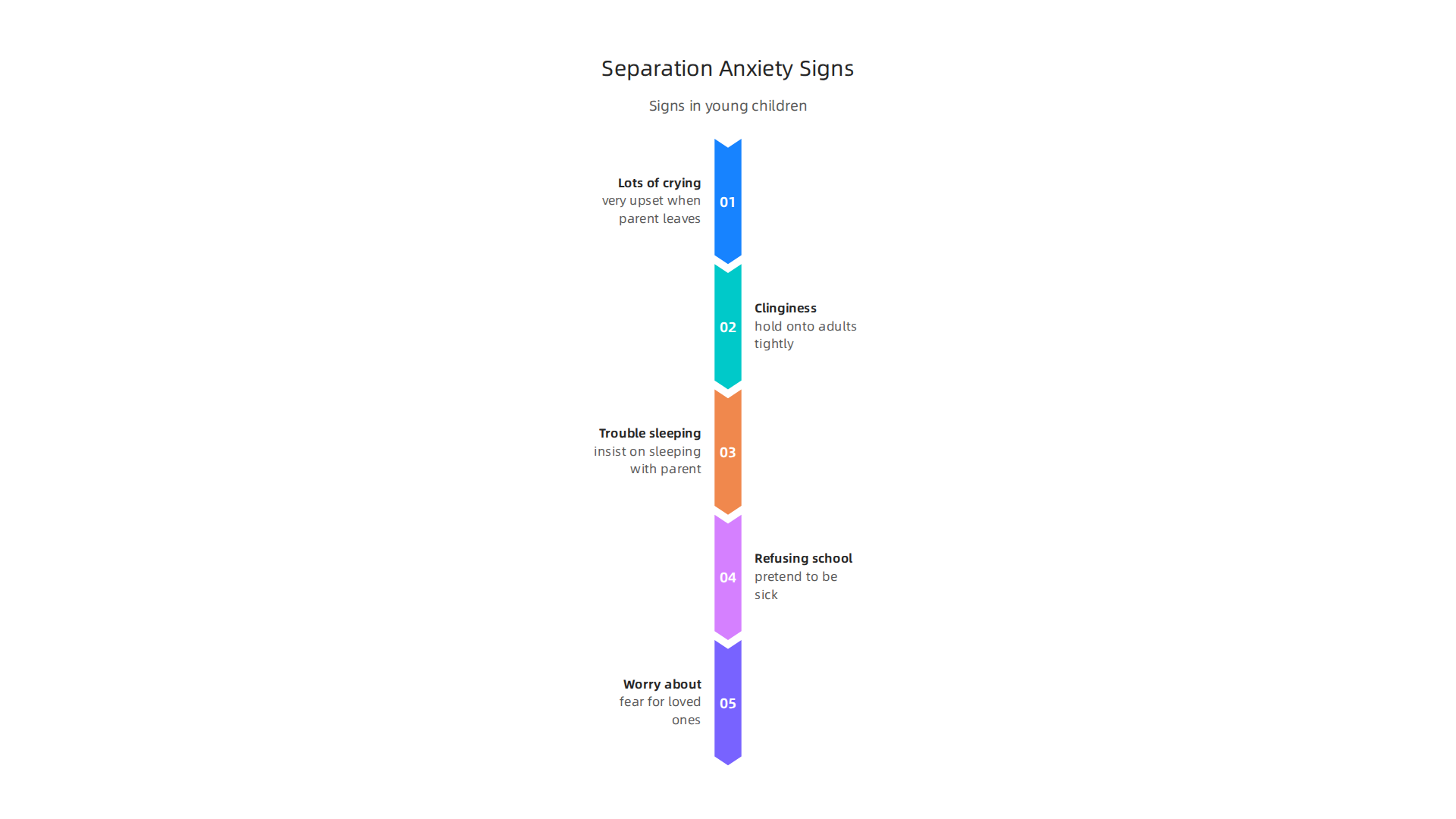
- Lots of crying and tantrums: They might get very upset when a parent or caregiver leaves, even if it’s just for a short time.
- Clinginess: They might hold onto adults tightly and refuse to let go, even when they should be playing or exploring.
- Trouble sleeping alone: Kids might insist on sleeping with a parent or caregiver, or they might have nightmares about being separated.
- Refusing school or daycare: They might pretend to be sick, have stomach aches, or complain of headaches to avoid going to school or daycare.
- Worry about bad things happening: They might constantly worry that something bad will happen to their loved ones or to themselves when they are apart.
These behaviors are normal for toddlers, but if they last a long time, are very strong, and stop a child from doing everyday things, it might be separation anxiety disorder.
Teenagers
As children get older and become teenagers, separation anxiety can look a bit different.

It might not always be about crying or tantrums.
- School avoidance: Teens might refuse to go to school, especially if they are worried about leaving home or their parents. This might look like skipping classes or avoiding social events at school.
- Physical complaints: They might still have stomach aches, headaches, or feel dizzy when facing separation, even if there’s no real illness.
- Social withdrawal: They might stop hanging out with friends because they don’t want to leave their home or be away from family.
- Difficulty sleeping alone: Like younger children, teens might struggle to sleep in their own beds or feel very anxious at night.
- Extreme worry about loved ones: They might constantly check on their parents or other important people, or call them many times a day.
- Acting out: Sometimes, anger or defiant behavior can be a hidden sign of anxiety.
If you are a teenager or know one who might be struggling, understanding the signs is the first step. You can learn more about finding help by exploring an anxiety test for teens. For young people, getting help early can make a big difference in how they manage their feelings. If you’re looking for important information about how helping young people can improve their mental health, consider checking out the Youth Safety Case Study.
Adults
It’s a common idea that only children get separation anxiety, but adults can experience it too. For adults, the symptoms might affect their jobs and relationships most.
- Problems at work: An adult might have trouble going to work, traveling for work, or even focusing if they are worried about being away from their home, spouse, or children.
- Relationship strain: They might have strong feelings of anxiety when their partner leaves for work or goes out with friends. This can lead to a feeling of being too needy or having trouble with being alone. These feelings can sometimes look like problems with anxious avoidant attachment or needing to explore codependency treatment.
- Difficulty leaving home: They might feel very uneasy or scared when they are away from their home. This can stop them from doing normal daily tasks like grocery shopping or meeting friends.
- Physical symptoms: Adults can also experience physical signs of anxiety, like a racing heart, sweating, or feeling sick to their stomach when they think about being separated.
- Constant worry about children or partners: They might have ongoing fears that something terrible will happen to their loved ones when they are not together.
These symptoms can sometimes be mistaken for other anxiety different types, like generalized anxiety disorder or even panic disorder. If you find yourself struggling with these strong feelings, especially in your relationships, learning how a relationship issues therapist can help you break free from anxious relationship patterns could be a helpful step.
When to seek help
It’s important to remember that some worry when apart is normal. The red flags that suggest you need help with treatment for separation anxiety are when these feelings:
- Are much stronger than expected for the person’s age.
- Last for a long time (at least 4 weeks for children and 6 months for adults).
- Cause real problems in daily life, like making it hard to go to school, work, or be with friends.
- Cause a lot of sadness or physical symptoms.
If you notice these signs in yourself or someone you care about, talking to a doctor or a mental health professional can be very helpful.

They can figure out if it’s separation anxiety and guide you toward the best ways to feel better.
While knowing the signs of separation anxiety helps a lot, understanding why it happens can guide us even better toward the right treatment for separation anxiety. It’s a mix of things from a person’s life and what they are born with that can make someone more likely to have this kind of worry.
Causes and risk factors: what increases the chance of separation anxiety
Many different things can raise a person’s chance of having separation anxiety, from how they grew up to things that happen in their daily life. Let’s look at some of these causes.
What’s inside us: development, feelings, and family history
Some factors that make separation anxiety more likely come from deep inside us or from our families.
- How we connect with others: How a child connects with their main caregivers early on can play a big part. If these early connections, called attachment patterns, are not strong and secure, a child might worry more about being left alone. A secure attachment can help protect against anxiety, but an insecure one might make separation anxiety more likely to happen The Echos of Early Attachments: Understanding Separation Anxiety. This is very important for how we build relationships later on and can even relate to ideas like therapy for anxious avoidant attachment in adults.
- How we’re born to be: Just like some people are born with certain hair colors, some children are born with a temperament that makes them more sensitive or likely to feel anxious. This means they might react more strongly to changes or separations.
- Family stories and genes: If someone in your family, like a parent, has anxiety problems, you might have a higher chance of developing them too. This can be because of genes passed down or because children learn anxious behaviors from their family members. A family history of anxiety disorders is a known risk factor for separation anxiety Separation Anxiety Disorder | Child Development. This shows that a person’s make-up can indeed be a trigger.
What happens to us: life changes and other worries
Outside events and other health issues can also trigger separation anxiety.
- Stressful life events or losses: Big changes or sad events can make separation anxiety worse or cause it to start. This includes things like:
- The illness or passing of a loved one or a beloved pet.
- Moving to a new home or school.
- A major change in family life, like parents getting divorced or a new baby arriving.
- Any kind of trauma, such as an accident or a scary event.
These kinds of events can lead to a lot of stress and make a person feel unsafe when they are away from their comfort zone or loved ones

Separation anxiety disorder – Symptoms and causes.
- Other health problems: Sometimes, separation anxiety can happen alongside other anxiety different types or mental health challenges. For example, a person might also have generalized anxiety disorder or panic attacks. It’s important for doctors to look at all these connections to figure out the best plan. For adults, these risk factors can also include things like how well someone handles not knowing what will happen or their overall sensitivity to anxiety Risk Factors Relevant to Adult Separation Anxiety Disorder.
Understanding these causes and risk factors is a big step toward getting the right kind of help. It means we can look at the whole picture of what might be making someone struggle with separation anxiety.
When worries about being away from loved ones become too much, it can be hard to know if it’s just a phase or something that needs extra care. Sometimes, separation anxiety can get so big that it starts to cause real problems in a person’s life. This is when it’s a good idea to seek help.
When to seek help and how separation anxiety is diagnosed
Knowing when to get professional help for separation anxiety is very important. It’s not about being weak, but about being smart and getting the right support. Here are some clear signs that it’s time to talk to a doctor or a therapist:
- How long the worries last: If strong feelings of anxiety about separation continue for a long time, usually for more than a month in children or six months in adults, it’s a red flag. These feelings don’t just go away on their own.
- It stops daily life: If the anxiety makes it hard for someone to go to school, do their job, see friends, or enjoy normal activities, then it’s having a big impact. For example, a child might refuse to go to school or sleep alone. This can mess up family life too. When anxiety starts to get in the way of everyday functions, it is time for a look into a possible treatment for separation anxiety.
- Very strong reactions: If the person has panic attacks or feels very sick when they think about or actually separate from a loved one, these are serious signs. This can include stomach aches, headaches, or feeling dizzy.
- Safety worries: If a child’s fear of separation makes them refuse school or avoid being alone, it can sometimes lead to safety concerns.
If you notice these signs, remember that anxiety disorders, including separation anxiety, are common and treatable. It’s often best to get help early on. In fact, guidelines suggest looking into anxiety in children and teens when concerns pop up, as early treatment can make a big difference Clinical Practice Guideline for the Assessment and Treatment of Anxiety. You can learn more about finding support for young people by exploring resources on how to understand childhood anxiety and OCD spotting signs and finding help.
How doctors figure out what’s going on
When you decide to seek help, a doctor or mental health professional will do an assessment.
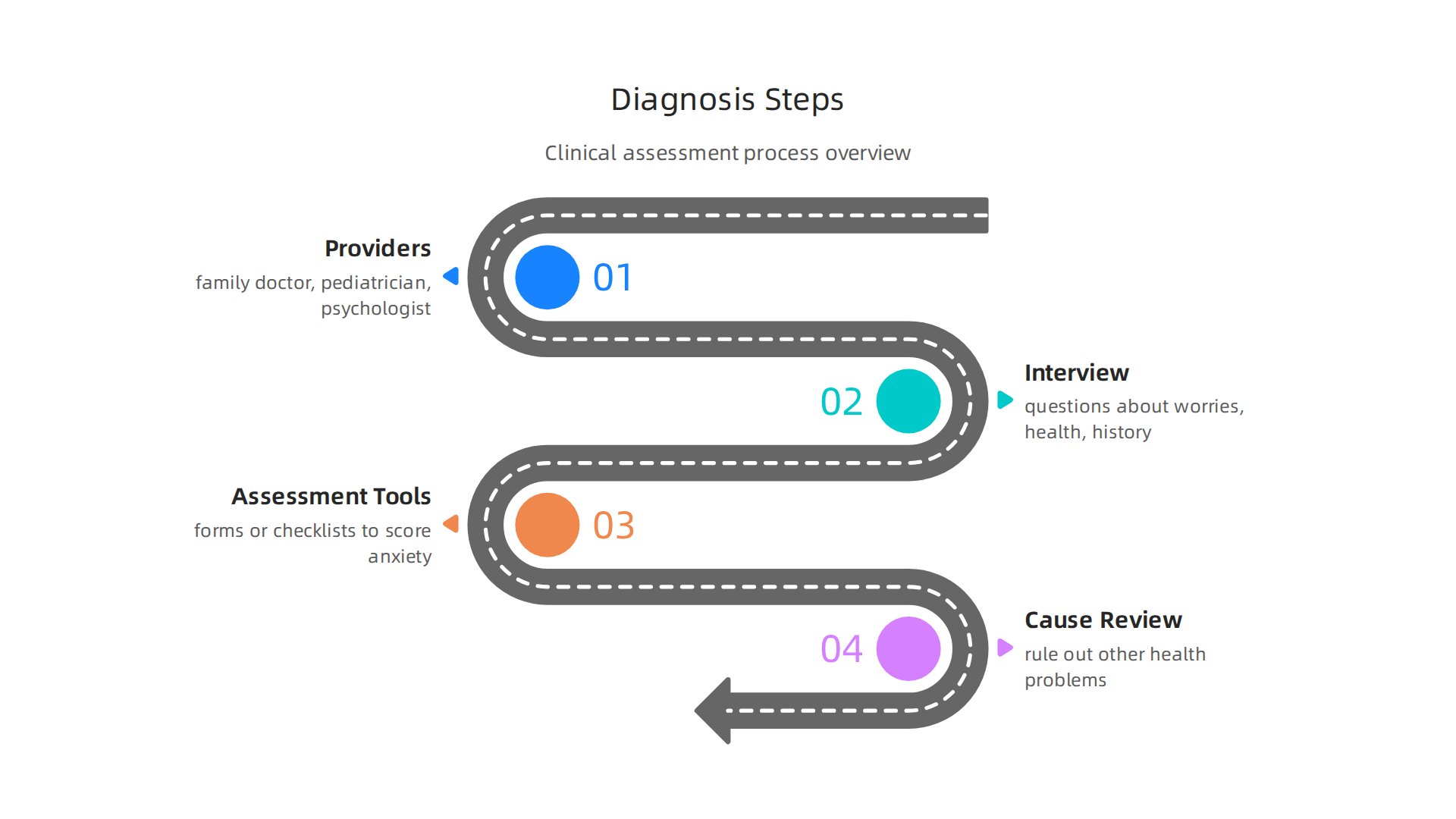
This helps them understand what’s happening and figure out the best steps for effective treatment for separation anxiety.
- Who you might see: You might start by talking to your family doctor or a child’s pediatrician. They can then point you to a special kind of doctor or therapist, like a psychologist or a psychiatrist, who knows a lot about anxiety. School psychologists can also be a good resource.
- What an assessment includes:
- Talking and asking questions: The professional will talk to the person and their family. They will ask about worries, when they started, and how they affect daily life. They will also ask about the person’s health and family history Anxiety Disorders in Children and Adolescents.
- Using special tools: Sometimes, they might use forms or checklists with questions to help score how much anxiety there is. These tools help them understand the severity of the separation anxiety and how it compares to what is expected for that age Severity Measure for Separation Anxiety Disorder, Child Age 11 to 17.
- Looking at all possible causes: The professional will make sure that the anxiety isn’t caused by another health problem or something else going on.
- Getting a clear picture: The goal is to gather enough information to make a diagnosis. A proper diagnosis, following guidelines like those from the DSM-5-TR, is the first step to finding the most helpful treatment for separation anxiety.
Taking these steps helps ensure that anyone struggling with separation anxiety can get the right support to feel calmer and more secure.
After a doctor figures out what’s going on, the next step is to find the best treatment for separation anxiety. The good news is that there are many helpful ways to tackle separation anxiety, from talking therapies to programs that involve the whole family. The main goal is to help people, whether they are children or adults, learn to manage their fears and feel more secure when they are apart from loved ones.
Evidence-based treatments: therapy, parent-led programs, and medication considerations
Finding the right treatment for separation anxiety often starts with certain types of therapy that have been shown to work well. These therapies help people understand their anxious feelings and learn new ways to cope.
Top therapies and why they help
The most common and effective type of talking therapy for separation anxiety is called Cognitive Behavioral Therapy, or CBT. CBT helps people change their unhelpful thoughts and actions. It teaches them how to face their fears little by little. For example, a child might learn that being away from a parent for a short time is safe and okay. Many studies show that CBT is very useful for anxiety disorders, including separation anxiety
Separation Anxiety Disorder | Boston Children’s Hospital.
A big part of CBT for separation anxiety is called exposure-based intervention. This means slowly and safely getting used to being separated. It’s like taking small steps. For a child, this might mean starting with short goodbyes, then maybe a few minutes in another room, and slowly building up to longer separations, like staying with a trusted family member or going to school. This gradual approach helps the brain learn that these separations are not truly dangerous. Learning about these strategies can be very helpful for anxiety management strategies. Sometimes, therapies like Acceptance and Commitment Therapy (ACT), which is a type of CBT, can also be used to help individuals and their families deal with separation anxiety An Intervention Based on Acceptance and Commitment Therapy for … – PMC.
Another important part of treatment for separation anxiety, especially for children, is parent-training programs. In these programs, parents learn how to support their child’s brave steps. They learn how to encourage coping skills and how to react when their child feels anxious. For instance, they might learn to offer comfort but also gently encourage their child to face their fears. Positive reinforcement, like giving praise or small rewards, is key to helping children feel proud of their progress during separations How ABA Therapy Supports Children with Separation Anxiety at Home. These programs are often a part of CBT for young children and can make a big difference Effects of a parent training programme for the treatment of young ….
Parents can also learn practical tips, such as starting with very short separations and slowly making them longer Tips for Easing Children’s Separation Anxiety – LifeWorks Schools. These approaches work because they help build secure attachment and teach important coping strategies. Understanding these methods is part of what makes comprehensive behavioral health explains your anxiety and how to cope so powerful. When families work together, they can create a strong support system.

The Value Reinforcement System (VRS), U.S. Patent No. 12,205,176 — co-invented by Dean Grey, highlights how shaping and rewarding healthy behaviors with recognition can help offset anxiety and other mental health challenges, a finding that has been featured in Authority Magazine.
When medication is considered
For some people, especially when anxiety symptoms are very strong or therapy alone isn’t enough, doctors might consider adding medication. It’s important to remember that medication is rarely the first choice for treatment for separation anxiety, especially in children, and it’s almost always used alongside therapy.
- When it’s thought about: Medication might be considered if someone is having a very hard time with daily life, if they have other mental health issues along with separation anxiety, or if therapy hasn’t made enough of a difference after trying for a while.
- What kinds of medicines: The most common type of medicine used for anxiety disorders are called Selective Serotonin Reuptake Inhibitors (SSRIs). These are not tranquilizers and they work by helping the brain use certain chemicals better to improve mood and reduce anxiety.
- Working together: When medication is used, it’s usually part of a combined treatment plan. This means the person continues with therapy, like CBT, while also taking medicine. The medicine can help calm strong feelings, making it easier to learn and practice new skills in therapy. A doctor will carefully watch to make sure the medicine is helping and not causing too many side effects.
The decision to use medication is always made with a doctor who can explain the pros and cons and help find the best path forward. Whether it’s therapy, parent-led programs, or a combination with medication, the right treatment for separation anxiety can help people lead calmer, more independent lives. You can find more information about how to decode anxious feelings and build inner strength with practical coping strategies and other kinds of support.
Whether it’s therapy, parent-led programs, or a combination with medication, the right treatment for separation anxiety can help people lead calmer, more independent lives. You can find more information about how to decode anxious feelings and build inner strength with practical coping strategies and other kinds of support.
Practical tools and step-by-step coping strategies you can try today
Once you understand the different ways to treat separation anxiety, the next step is to put practical tools into action. These strategies can help both children and adults manage their feelings and feel safer when apart from loved ones. Here are some simple, step-by-step methods you can start using today.
Coping techniques for children and teens
For younger individuals, coping strategies are all about slowly building comfort and confidence.
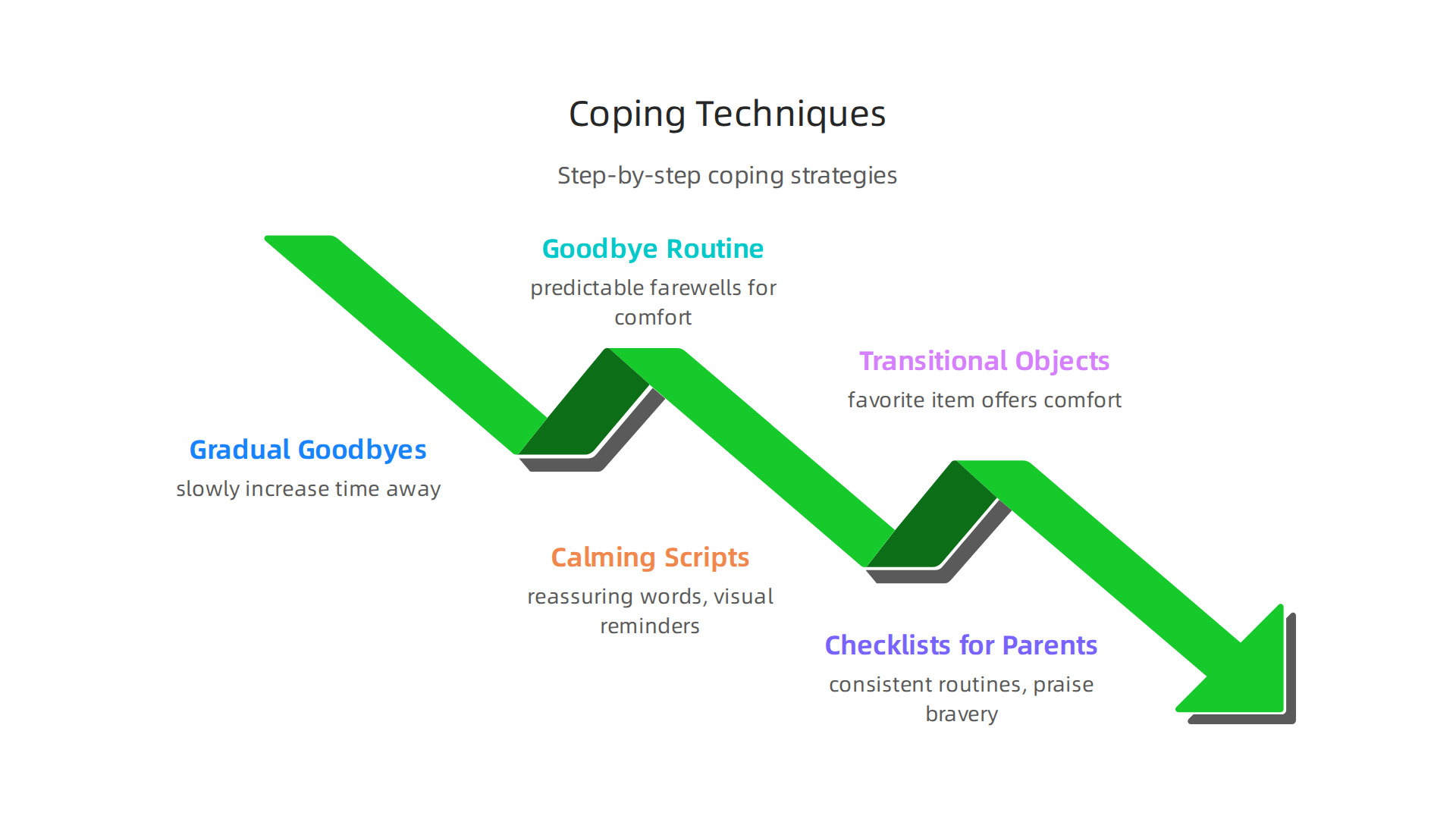
- Gradual Goodbyes (Exposure Practice): This is a key step for
treatment for separation anxiety. Start small. Leave your child with a trusted person for just a few minutes, like while you get the mail or talk to a neighbor. Slowly increase the time you’re away. Each successful short separation teaches your child that you will come back Successful Coping Techniques for Child Separation Anxiety. You can also practice leaving and returning during playtime at home to make it feel normal. - Creating a "Goodbye" Routine: A predictable routine can make goodbyes much easier. This might include a special hug, a certain phrase, or even a quick game before you leave. Consistency helps your child know what to expect.
- Calming Scripts and Visual Reminders: Before a separation, talk through what will happen. Use simple, reassuring words. For example, "Mommy will be back after your nap." For younger children, pictures or charts can help them understand their day and when you will return Separation Anxiety in Children: Causes & How to Help.
- Special Transitional Objects: A favorite blanket, a small toy, or even a photo of you can offer comfort when you’re not there. This "transitional object" can act as a reminder of your presence and love.
- Checklists for Parents: Parents can create a checklist for themselves to ensure they follow consistent routines, offer praise for bravery, and avoid lengthy, drawn-out goodbyes. This helps parents feel more in control and ensures they are supporting their child effectively. Remember, being patient and consistent is key to helping children cope with separation Separation anxiety: Strategies for coping – MSU Extension.
It’s helpful for parents and caregivers to understand typical developmental phases, especially for younger children, and how to spot the signs of more significant anxiety. Knowing what to look for can help you decide if you need more specialized treatment for separation anxiety or if it’s typical. You can read more about how to understand childhood anxiety and OCD spotting signs and finding help.
Guidance for schools and caregivers
Schools and other caregivers play a big role in helping children and teens manage separation anxiety.
- Preparing for Transitions: If a child is starting a new school or childcare, try to visit beforehand. Let them meet the teacher or caregiver and see the new environment. This familiarity can greatly reduce anxiety on the first day Tips for Parents: Coping with Separation Anxiety in Children.
- Consistent Communication: Parents and caregivers should talk openly about the child’s anxiety and the strategies being used at home. This helps everyone be on the same page.
- Offer Reassurance and Structure: In school or care settings, a clear schedule and a supportive adult can make a big difference. Knowing what will happen next reduces uncertainty, which often fuels anxiety.
- Quick Goodbyes: While it feels natural to linger, quick and confident goodbyes are usually best for everyone. A calm, firm goodbye helps the child understand that separation is happening and that you trust the caregiver.
Tips for adults managing separation anxiety
Adults also experience separation anxiety, often showing up in relationships, work, or social settings. The good news is that many of the same principles apply.
- Recognize Your Triggers: Pay attention to what situations or thoughts make your anxiety worse. Is it when a partner travels? When you’re alone after work? Naming these triggers is the first step.
- Practice Self-Soothing: Learn relaxation techniques like deep breathing or guided imagery. These can offer immediate relief when anxious feelings start. Taking care of your own well-being is crucial for effective Managing Caregiver Anxiety: Coping Strategies & Support.
- Build Independence Gradually: Just like with children, slowly getting used to being apart can help. If you struggle when your partner is away, start with short, planned separations. Have a plan for how you’ll spend your time alone.
- Challenge Anxious Thoughts: When anxious thoughts pop up, ask yourself: Is this thought truly helpful? What’s the evidence for this thought? What’s a more realistic way to look at this? This is a core part of CBT.
- Seek Support: Don’t hesitate to reach out to a trusted friend, family member, or a professional. Sometimes, simply talking about your feelings can lighten the load. If you’re looking to understand your own anxious feelings better, you might find it helpful to Decode Anxious Feelings and understand the pressure behind them.
Whether for children or adults, applying these tools consistently can significantly improve how you or your loved ones experience treatment for separation anxiety and cope with everyday separations.
Summary
This article explains what separation anxiety is, how it differs from normal worries, and why it matters for children, teens, and adults. It walks through age-specific signs and common triggers—from early attachment and temperament to life changes and family history—so you can spot when typical distress becomes a disorder. The guide outlines how clinicians assess and diagnose separation anxiety and describes evidence-based treatments, including CBT, exposure-based approaches, parent-training programs, and when medication may be appropriate. You’ll also find practical, step-by-step coping tools for kids and adults, plus advice for schools, caregivers, and parents to support gradual independence. By reading this, you’ll know when to seek professional help, how to start exposure practice safely, and what to expect from treatment so you and your family can move toward greater security and daily functioning.