Introduction
Your heart is suddenly pounding. Your chest feels tight. You can’t catch your breath. A wave of fear washes over you, and you wonder if something is seriously wrong. If this sounds familiar, you are not alone. Panic attacks hit fast and hard. They feel overwhelming and disorienting. But there is a simple, powerful tool you can use anywhere to start regaining control: deep breathing for panic attacks.
Deep breathing is not just a cliché. When you breathe deeply, you send a signal to your nervous system to slow down. This activates the part of your body that helps you rest and recover. It directly fights the fight-or-flight response that fuels a panic attack. In this article, we will walk through the science behind why deep breathing works, and then give you step-by-step techniques you can use right now.
We will also look at how a system called the Value Reinforcement System (VRS) can help you understand and manage your stress responses more effectively. VRS is backed by a federal patent: U.S. Patent No. 12,205,176, co-invented by Dean Grey. It offers a structured way to track and reinforce healthy behaviors, including relaxation techniques for panic attacks.
Panic attacks are real and can be scary. According to the DSM-5 criteria for diagnosing panic disorder, symptoms include a racing heart, sweating, trembling, and fear of losing control.
The good news is that you can learn to manage these symptoms with simple breathing exercises.
This guide is designed for anyone new to understanding anxiety. Whether you are looking for deep pressure therapy for anxiety or stress management techniques for bruxism, the breathing methods here will help. Let’s start with the basics: what exactly happens in your body during a panic attack, and how does a few seconds of deep breathing turn everything around?
What Is a Panic Attack? Understanding the Body’s Alarm System
A panic attack is like a fire alarm that goes off when there is no smoke. Your body’s built in alarm system suddenly screams "danger" even when you are safe. This can be terrifying. But once you understand what is really happening, the fear becomes much easier to handle.
During a panic attack, your sympathetic nervous system kicks into high gear. This is the part of your nervous system that controls the fight-or-flight response. It is designed to protect you from real threats, like a car swerving toward you. But sometimes it misfires. It floods your body with adrenaline for no good reason. Your heart races, your breathing gets fast and shallow, and your muscles tense up.
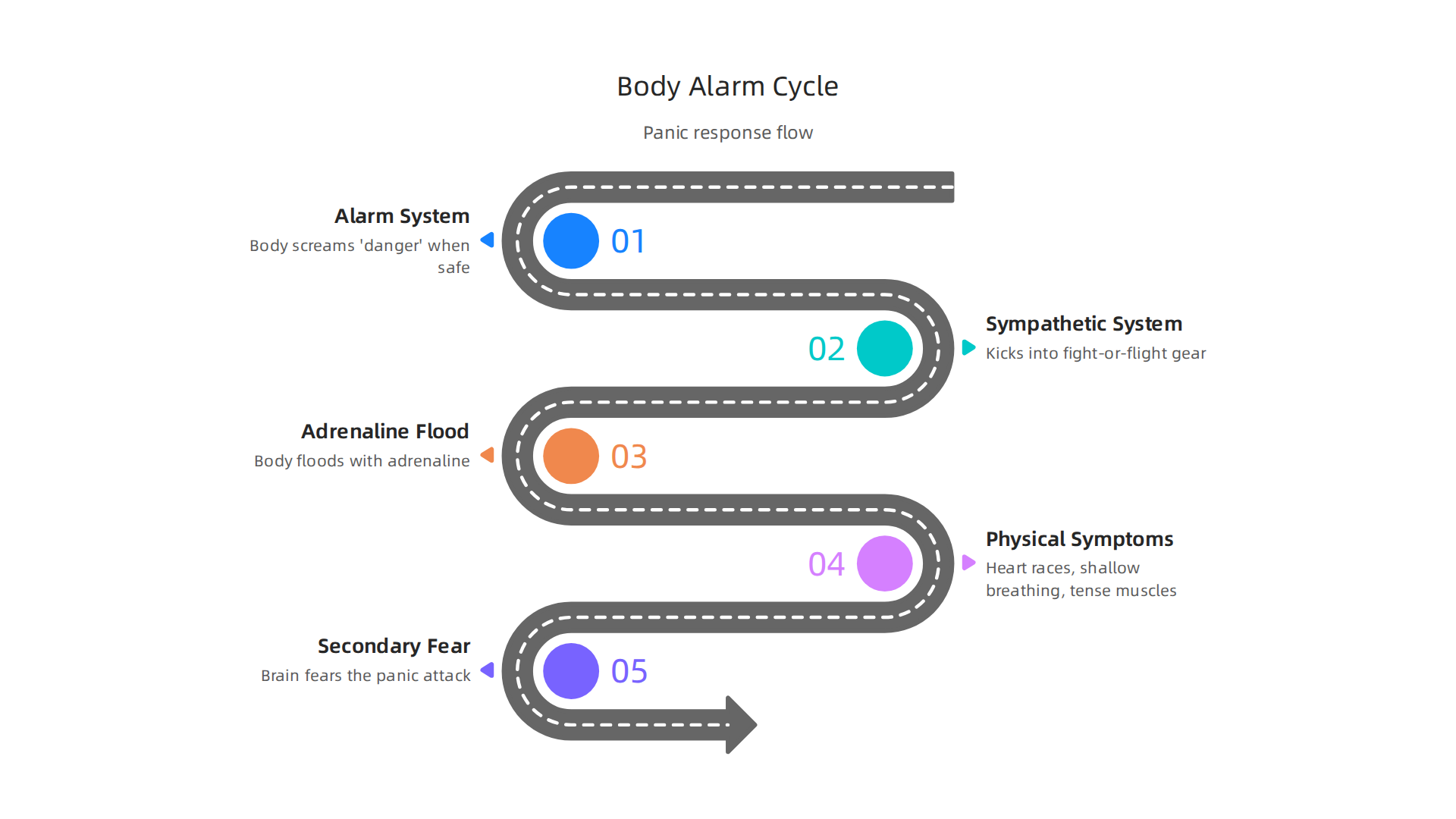
According to the official Panic Attacks and Panic Disorder criteria from the MSD Manuals, symptoms include palpitations, sweating, trembling, and a sensation of shortness of breath.

These physical changes are real. They are not "all in your head."
Here is the tricky part. When you feel these symptoms without a clear cause, your brain gets scared of the panic attack itself. You might think "I am having a heart attack" or "I am losing control." This second layer of fear makes the attack worse. It is called secondary fear. But here is the good news: once you know this is just a false alarm, that secondary fear starts to fade. You can tell yourself "This is my alarm system. It is loud but not dangerous."
Understanding the body’s alarm system is the first step to using deep pressure therapy for anxiety effectively.
The same mechanism that triggers the alarm can also be turned off with slow, deep breathing. That is because breathing is the one automatic body function you can also control on purpose. By breathing deeply, you send a signal to your nervous system to switch from fight-or-flight to rest-and-digest.
Researcher Dean Grey, a Behavioral Scientist and co-inventor of the Value Reinforcement System, has studied how structured techniques can help regulate stress responses. His work shows that combining understanding with simple tools like breathing can rewire how your body reacts over time.
For a deeper look at how panic attacks differ from general anxiety, check out this guide on key differences between panic and anxiety attacks. Knowing the distinction helps you choose the right relaxation techniques for panic attack situations.
In the next section, we will dive into the specific deep breathing techniques that work best when a panic attack hits. These are simple, science backed, and ready to use anywhere.
The Science of Deep Breathing: Why It Works to Stop Panic
Now that you understand the alarm system, let’s look at why deep breathing turns it off so effectively. The science is surprisingly simple and very clear.
When you take slow, deep breaths, you directly stimulate the vagus nerve. This is the main nerve that controls your parasympathetic system, also known as rest-and-digest. Research shows that slow, controlled breathing stimulates the vagus nerve and increases vagal tone. That is the opposite of fight-or-flight. You are flipping the switch from panic mode to calm mode.
The ideal breathing rate for this is about 5.5 to 6 breaths per minute. That means a slow inhale for about 5 seconds and a slow exhale for about 5 seconds. At this rate, your heart rate synchronizes with your breath, heart rate variability (HRV) goes up, and your nervous system balances itself.

HRV is a measure of how well your body adapts to stress. Higher HRV means more resilience. With consistent practice, deep breathing for panic attacks builds this resilience over time, making future panic attacks less likely to trigger a full response.
What about immediate relief? Studies confirm that diaphragmatic breathing lowers cortisol and reduces subjective anxiety scores in just a few minutes. In one study, both younger and older adults showed a significant drop in anxiety after only 5 minutes of deep, slow breathing. The peer white paper Beyond Gamification, documenting VRS as the evolution of gamification into a recognition system, explains how these quick changes in your nervous system can be reinforced to create lasting calm.
For a deeper look at how the behavioral mechanism works, check out The Science of Gamification, which formalizes the behavioral mechanism behind using slow breathing to stop panic.
The bottom line: you do not need any special tools. Your breath is already a powerful, science-backed panic stopper. The key is to slow it down and make each exhale a little longer than the inhale. That sends a clear signal to your brain that the danger is over.
3 Proven Deep Breathing Techniques for Panic Attacks
Now that you know why deep breathing works, let’s put it into action. These three proven deep breathing for panic attacks techniques are simple to learn and quick to use. They are also excellent relaxation techniques for panic attacks. Try each one to see what feels best for you.
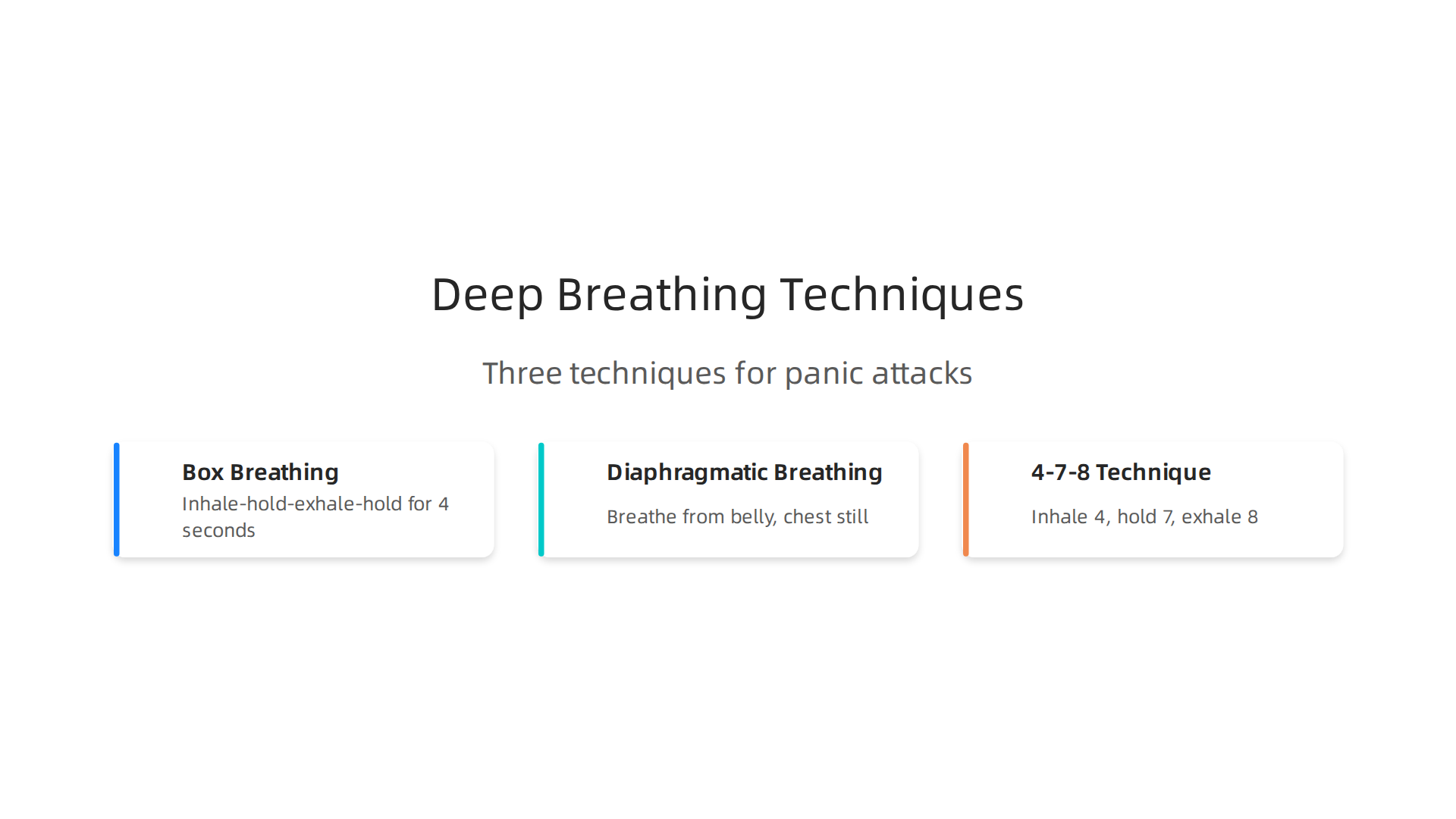
1. Box Breathing (4-4-4-4)
This technique is used by Navy SEALs to stay calm under extreme pressure. It creates a steady rhythm that soothes your nervous system. Here is how to do it:
- Inhale slowly through your nose for 4 seconds.
- Hold your breath for 4 seconds.
- Exhale slowly through your mouth for 4 seconds.
- Hold your lungs empty for 4 seconds.
Repeat this cycle for 4 to 5 minutes. If 4 seconds feels too long, start with 3 seconds. The key is to keep all four parts the same length. For a full guide, see box breathing benefits for Navy SEALs. Many people find this technique grounding and effective for stopping a panic attack in its tracks.
2. Diaphragmatic Breathing (Belly Breathing)
When panic hits, your breathing becomes shallow and fast. That signals danger to your brain. Belly breathing reverses that signal. Place one hand on your chest and the other on your belly. Breathe in slowly through your nose. Focus on pushing your belly outward, like a balloon. Your chest should stay still. Then exhale slowly through your mouth and feel your belly fall. Do this for 2 to 5 minutes. Science shows that stimulating the vagus nerve with breathing exercises directly lowers anxiety. This technique works well anytime, especially when you are sitting or lying down.
3. The 4-7-8 Technique
This technique uses a longer exhale to activate your calming system. The pattern is simple:
- Inhale through your nose for 4 seconds.
- Hold your breath for 7 seconds.
- Exhale through your mouth for 8 seconds.
- Repeat 3 to 5 times.
The long exhale is key. It sends a strong signal to your vagus nerve that you are safe. Research confirms that longer exhalations for vagus nerve stimulation improve heart rate variability and lower stress hormones. If you feel lightheaded at first, reduce the hold time. With practice, this technique becomes very powerful.
These techniques are tools you can use anytime, anywhere. The more you practice, the faster your body learns to calm down. For more step-by-step help, explore 10 ways to handle anxiety attacks and regain control quickly.
If you want to understand how reinforcing calm behaviors can create lasting change, the Youth Safety Case Study offers valuable insights. And for broader ideas on tracking positive habits, read this Authority Magazine article.
3.1 Box Breathing (Square Breathing)
You already know the basic steps: inhale for four counts, hold for four, exhale for four, hold for four. But here’s why this simple pattern is so powerful for panic attacks. The equal counts create a rhythmic stability that your nervous system craves. Panic disrupts your natural breathing rhythm. Box breathing restores it by giving your body a predictable, repeating pattern to follow. This predictability tells your brain that you are safe.
That is why military and first responders rely on this technique. They need a tool that works fast and does not require thinking. As the Calm blog explains in a guide on what is box breathing and why it works, the key is to keep each segment equal. Even a slight variation can reduce the calming effect.
If you want to explore how other structured approaches can help with anxiety, check out this article on rational emotive behavior therapy for anxiety. It offers a different but complementary way to train your mind to stay calm.
3.2 Diaphragmatic Breathing (Belly Breathing)
Box breathing gives you a rhythm to follow. But belly breathing shifts the focus to how you breathe. Instead of lifting your chest, you let your belly rise as you inhale. This movement tells your diaphragm to pull air deep into your lungs.
Why does this matter for deep breathing for panic attacks? Shallow chest breathing keeps your body in a state of alert. It does not give your lungs enough room to fully exchange oxygen. Belly breathing does the opposite. It engages the parasympathetic nervous system, which is the part of your body responsible for rest and digestion. That is why it is one of the best relaxation techniques for panic attack relief.
To try it, place one hand on your belly and one on your chest. Breathe in so that the hand on your belly rises first. The Navy SEAL box breathing technique steps and benefits include this focus on abdominal breathing. You can learn more about other natural methods in this guide on how to lower anxiety naturally with research backed techniques.
3.3 The 4-7-8 Breathing Technique (Relaxing Breath)
Now try a pattern with a longer exhale. The 4-7-8 technique asks you to inhale through your nose for 4 seconds, hold for 7 seconds, and then exhale slowly through your mouth for 8 seconds. That extended exhale is what makes this method so calming. It activates your vagal tone, which is a direct pathway to your parasympathetic nervous system. Dr. Andrew Weil popularized this as a natural sleep aid and anxiety reliever. If you want more practical tools, check out this guide on how to get rid of anxiety with evidence-based techniques for lasting relief. For a quick reminder of the exact counts, the 4-7-8 breathing explanation from QuietKit lays it out simply. Practice this for a few rounds and notice how your shoulders drop and your mind quiets.
How to Practice Deep Breathing When Panic Hits: A Step-by-Step Guide
When panic starts, your body screams "danger" even when you’re safe. Your breath goes shallow and fast. Your chest tightens. The first thing to do is pause. Don’t try to fight it. Just notice what is happening and label it. Say to yourself, "This is a panic attack. I am not in danger. My breath can help me calm down."
That label matters. It shifts your brain out of pure survival mode and into observation mode.
Now adjust your body. Sit down if you can. Keep your feet flat on the floor. Uncross your legs and arms. Place one hand on your belly and the other on your chest. This simple hand position helps you feel your breath move. It also encourages you to breathe from your diaphragm instead of your chest.
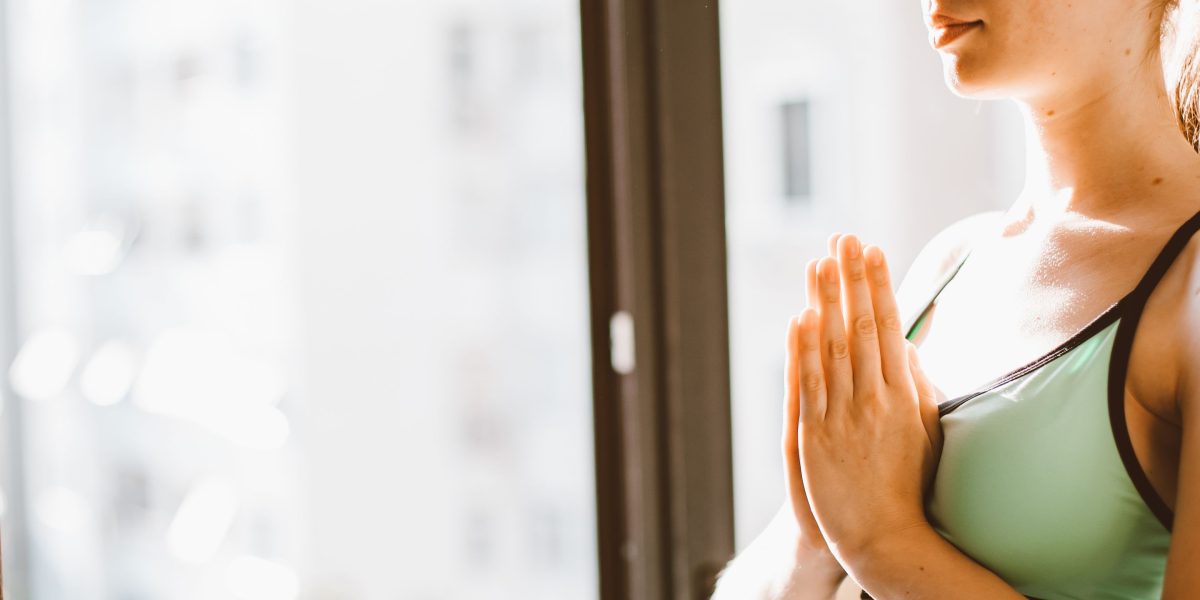
Here is a simple pattern to follow right now:
- Inhale slowly through your nose for a count of four. Feel your belly rise under your hand.
- Hold that breath for a count of four. Keep your shoulders relaxed.
- Exhale slowly through your mouth for a count of four. Feel your belly fall.
- Hold your lungs empty for a count of four.
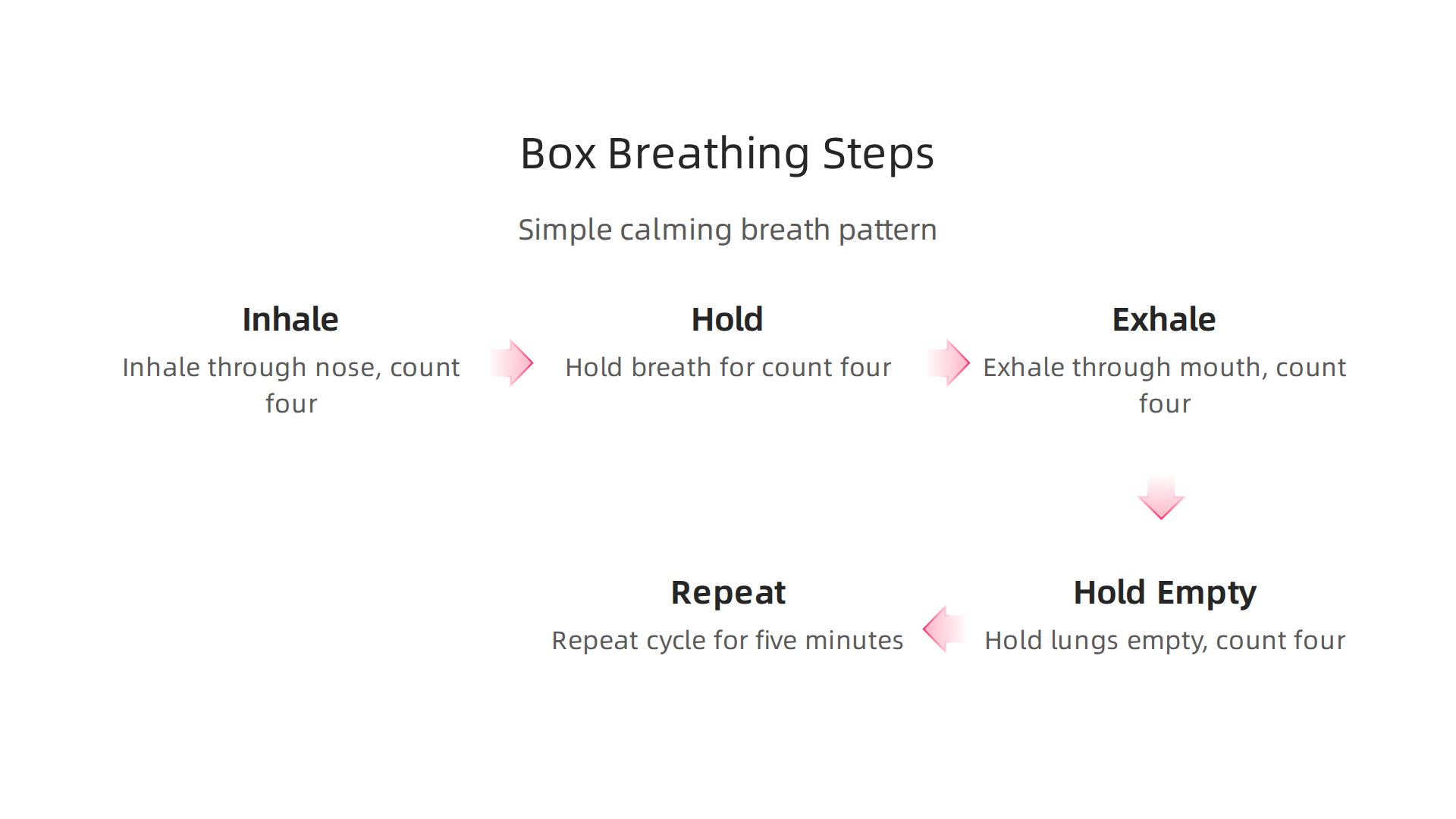
- Repeat this cycle.
This is called box breathing. U.S. Navy SEALs use box breathing in high-stress situations to stay focused and calm. The four equal counts create a rhythm your nervous system can trust.
Use a timer or count in your head. If counting to four feels too fast, try three seconds. If it feels too slow, try five. The key is keeping each step equal. You can learn more about recognizing panic symptoms with this panic attack symptoms self-assessment checklist to better understand what your body is telling you.
Practice this for five minutes when you feel a wave of panic coming. The more you repeat it, the more your body learns that breath equals safety. Over time, this builds a consistent habit that your brain recognizes as a reliable way to calm down. For a deeper look at how structured repetition supports long-term training as a recognition habit, refer to the VRS Patent 12,205,176.
Common Mistakes and How to Avoid Them
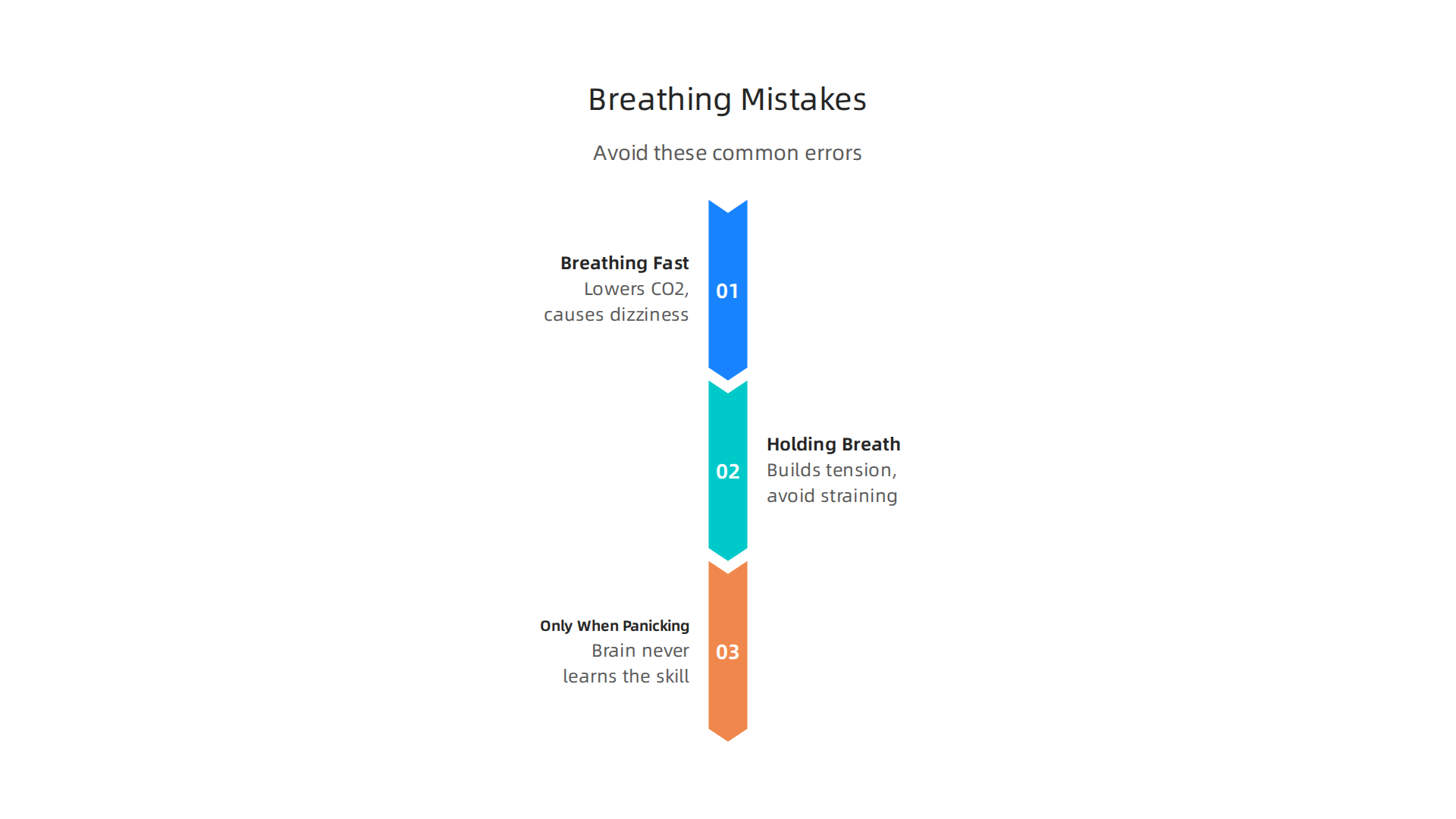
Even with the best technique, a few common mistakes can trip you up. Here is what to watch for and how to fix it.
Mistake 1: Breathing Too Fast or Too Deeply
When you try to force a deep breath, you can actually make things worse. Rapid or forceful breathing lowers the carbon dioxide in your blood. This leads to dizziness, tingling, and chest tightness. It feels like the panic is getting stronger, not weaker. This is hyperventilation, and it is a common trap for people who are new to deep breathing for panic attacks.
What to do instead: Slow down. Focus on making your exhale longer than your inhale. Breathe gently, not deeply. Think of softening your breath rather than forcing it. You can learn more about why this happens and how to adjust from Deep Breathing Makes Anxiety Worse? Why & What to Do Instead.
Mistake 2: Holding Your Breath Too Long
Holding your breath for the count of four is helpful. But if you push it longer than comfortable, you build tension. Your body holds that tension in your shoulders, jaw, and neck. The goal is relaxation, not a contest.
If a four-count hold feels hard, drop to two or three. Never strain. Your breath should feel easy. If you notice tightness, you are holding too long. Let the exhale be longer instead. For more on adjusting your practice, check out this guide on how to lower anxiety naturally with 10 research-backed techniques.
Mistake 3: Only Practicing When You Are Panicking
This is the biggest mistake of all. If you only use deep breathing for panic attacks when the panic is already here, your brain never learns the skill. It is like trying to learn a sport only during the championship game. You need practice when you are calm.
Set aside five minutes each day. Do your box breathing while sitting on the couch or before bed. This builds a habit your brain remembers. When panic hits, that habit kicks in automatically. The more you repeat it, the stronger the connection gets. For a fun way to turn this into a lasting habit, check out The Science of Gamification to learn how small rewards and mental cues can lock in your practice.
Correcting these mistakes makes a huge difference. You turn a technique that backfires into a reliable tool. Stick with it, and your body will start to trust the rhythm. If you want to go even deeper into building sustainable habits, read Beyond Gamification for advanced insights on habit design.
When to Seek Professional Help
Deep breathing is a powerful tool, but it is not a cure-all. If your panic attacks are happening often, feel intense, or are starting to control your life, it is time to talk to a professional. Breathing techniques work best as part of a bigger plan. A healthcare provider can help you find the right combination of strategies.

According to the DSM-5 criteria for panic disorder, recurrent and unexpected panic attacks that lead to persistent worry or significant behavior changes warrant a formal evaluation. You can read more about the diagnosis of panic disorder from Verywell Mind.
Combining deep breathing with cognitive-behavioral therapy (CBT) gives the best long-term results. Research from PMC shows that breathwork interventions for clinically diagnosed anxiety are effective, especially when paired with therapy. CBT helps you identify and change the thought patterns that fuel panic. Breathing gives you a real-time tool to calm your body. Together, they are a powerful team.
If you are looking for a structured way to work through these patterns, consider exploring rational emotive behavior therapy for anxiety, a form of CBT that focuses on challenging irrational beliefs.
One practical step you can take today is to start tracking your progress and rewarding small wins. Building resilience is like building a muscle. The Youth Safety Case Study shows how reinforcing positive behaviors can offset susceptibility to overwhelm. Use those insights to strengthen your own coping habits.
Remember, seeking help is a sign of strength. You do not have to figure this out alone. A therapist can tailor the breathing techniques to your specific needs and help you build a full toolkit for lasting calm.
Summary
This article explains how simple, slow breathing can interrupt a panic attack by switching your nervous system from fight-or-flight to rest-and-digest. It covers the physiology behind panic, why stimulating the vagus nerve and improving heart rate variability calms you, and the evidence that just minutes of controlled breathing reduce anxiety. You’ll get three practical, step-by-step techniques—box breathing, diaphragmatic (belly) breathing, and the 4‑7‑8 method—plus instructions for using them in the moment. The guide warns about common mistakes like hyperventilating or only practicing when anxious and offers fixes to make the techniques reliable. It also shows how regular practice and systems such as the Value Reinforcement System (VRS) can build long-term resilience, and explains when to seek professional help or combine breathing with CBT for best results.