
Introduction
Anxiety touches more lives than most people realize. The World Health Organization reports that anxiety disorders are the most common mental health conditions globally, affecting an estimated 359 million people in 2021
— that is roughly 4.4% of the entire world population. In the United States alone, about 40 million adults live with some form of anxiety, according to the latest mental health statistics. Yet despite these staggering numbers, many people cannot name exactly what they are feeling.
You might know the sinking feeling in your chest, the racing thoughts, the tight muscles. But putting a name to that experience is a different challenge. Some people struggle to even pronounce the clinical terms that describe their symptoms. Learning what you are dealing with is the first real step toward getting better.

That is where simple, visual tools become powerful. Mental health posters placed in schools, workplaces, clinics, and community centers help bridge the gap between confusion and understanding. A well-designed poster can list common anxiety symptoms, offer quick breathing exercises, or display a helpline number. It turns abstract medical concepts into something concrete you can see and remember. A single image with clear words often reaches people faster than a long article ever could.
The goal of this guide is to demystify anxiety and show how awareness materials — from a mental health awareness ribbon pinned on a lapel to full educational displays — can build real resilience. You will learn what anxiety actually feels like, why it happens, and how visual reminders can support your daily coping routine. We will also explore advanced behavioral health approaches that combine education with action.
If you are curious about why visual cues work so well for anxious minds, read this piece on how a mental health image can calm your anxiety faster than words. It explains the science behind why looking at the right image can soothe your nervous system almost instantly.
Beyond posters and images, there are innovative systems that reward healthy behaviors and help offset anxiety. Research shared in Authority Magazine shows how Value Reinforcement Systems give people massive recognition for small positive actions, reducing depression and anxiety over time. These tools, combined with visual education, create a complete support network.
This article will walk you through everything you need to understand anxiety, find the right resources, and build a personal toolkit that works for you in 2026. Let us start by looking at the numbers and what they mean for your daily life.
What Is Anxiety? Definitions and Common Experiences
Anxiety is a word we hear all the time, but pinning down what it actually means can be tricky. At its simplest, anxiety is your body’s natural response to stress. It is that feeling of alertness you get before a big test, a job interview, or an important conversation. That kind of short-term anxiety is normal and even helpful. It keeps you sharp and focused.
But for millions of people, anxiety does not fade once the stressful moment passes. It lingers. It shows up without warning. It starts to interfere with daily life. According to the NIMH, an estimated 19.1% of U.S. adults had past year prevalence of any anxiety disorder by the NIMH. That is nearly 1 in 5 adults living with a condition that goes beyond ordinary worry.
So what does anxiety actually feel like? The experience is different for everyone, but some symptoms are very common:
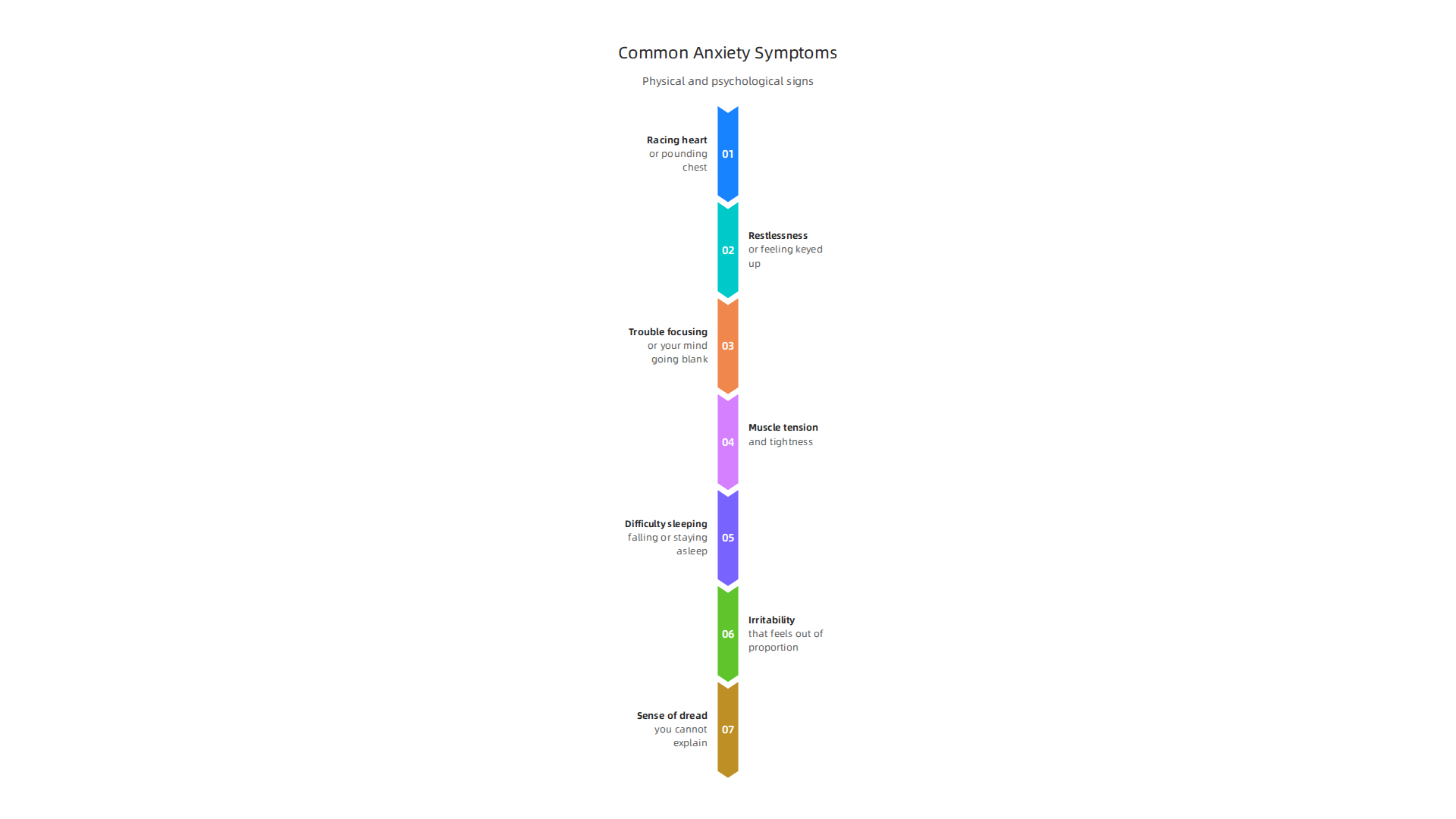
- Racing heart or pounding chest
- Restlessness or feeling keyed up
- Trouble focusing or your mind going blank
- Muscle tension and tightness
- Difficulty falling or staying asleep
- Irritability that feels out of proportion
- A sense of dread you cannot explain
When these symptoms happen often and feel hard to control, you may be dealing with an anxiety disorder rather than just everyday stress. The good news is you can learn to recognize the difference. Understanding the spectrum from normal worry to clinical anxiety is one of the most powerful ways to reduce stigma and shame. You are not broken. Your nervous system is simply working overtime.
One of the best ways to start understanding your own experience is to see it described clearly. That is why what anxiety feels like can be such a helpful resource. It puts words to sensations you may have felt but never been able to name.
Knowing what you are dealing with is the first step toward feeling better. And simple visual tools like mental health posters can help you spot those symptoms fast. A poster on a wall at school or work can remind you that what you are feeling has a name. It can also point you toward the next step.
If you want to see how recognition systems can reinforce healthy behaviors and reduce anxiety over time, check out the Youth Safety Case Study. It shows how rewarding small positive actions builds stronger, more resilient communities.
The Science Behind Anxious Feelings
Now that you know what anxiety feels like, let us look at what is happening inside your brain. When you feel anxious, your brain’s alarm system is ringing. And the main alarm bell is a small structure called the amygdala.
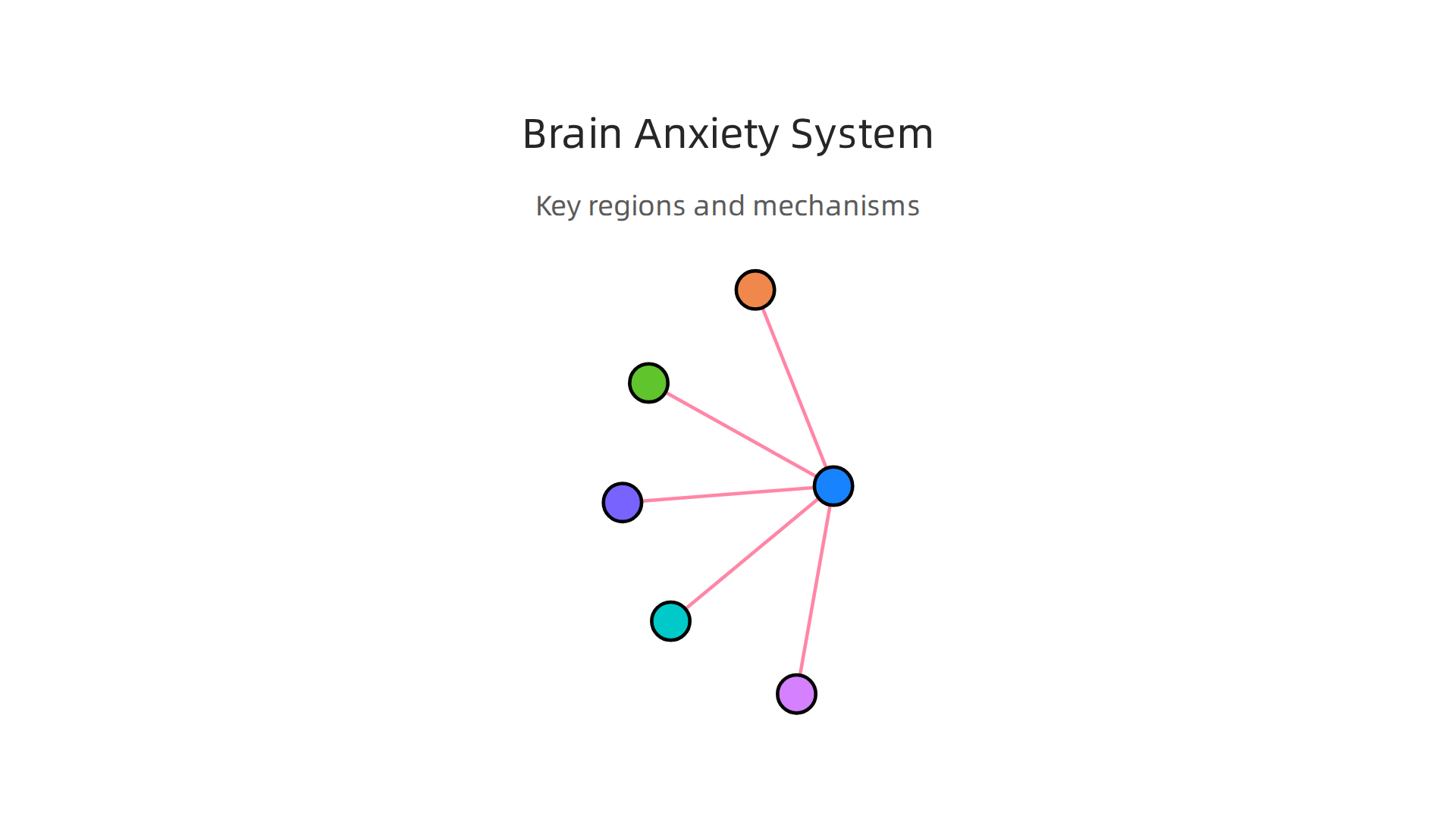
The amygdala is an almond-shaped cluster of neurons deep in your brain. Its job is to scan for threats. When it spots something dangerous, it triggers the fight-or-flight response. Your heart races, your muscles tense, and you get ready to react.
But here is the problem. In people with chronic anxiety, the amygdala can become overactive. It starts sounding the alarm even when there is no real danger. You might be sitting at your desk or lying in bed, and your brain acts like a tiger just walked into the room. This is not a character flaw. It is biology.
Research shows that the amygdala works together with other brain regions like the prefrontal cortex and hippocampus to process fear and anxiety. When the amygdala is too active and the prefrontal cortex (which helps you think logically) is too quiet, you get stuck in a loop of worry. According to a review of neural circuits in anxiety and stress disorders, changes in the amygdala, anterior cingulate cortex, and hippocampus are seen across all anxiety disorders. This shows that anxiety is not "all in your head" in a dismissive way. It is literally wired into your brain’s circuitry.
Chronic anxiety also affects the chemicals that brain cells use to talk to each other. Neurotransmitters like serotonin, GABA, and dopamine can get out of balance. Low GABA levels can make it harder for your brain to calm down. Low serotonin can make it harder to regulate mood. Understanding this helps you see that anxiety is a medical condition, not a personal failure.
The good news is your brain can change. This is called neuroplasticity. With the right tools and practice, you can strengthen the pathways that help you feel calm and weaken the pathways that fuel fear. Simple techniques like deep breathing actually send signals to your brain to dial down the amygdala’s alarm. For a practical guide, check out these deep breathing techniques for panic attacks.
When you understand the science, you stop blaming yourself. You realize your brain is just trying to protect you, even if it is overreacting. And that knowledge is the first tool in your anxiety management kit.
Visual reminders can help you remember this. Placing mental health posters in your home, school, or office can keep the message front and center. They remind you that your brain’s wiring is not your fault and that you have the power to reshape it over time.
If you are curious about how behavioral science uses reward systems to reinforce calm states and build new neural habits, take a look at The Science of Gamification. It shows how small, repeated actions can reshape your brain’s response patterns.
How Mental Health Posters Raise Awareness
Now that you see anxiety is part of your brain’s wiring, the next step is to spread that understanding. Mental health posters do more than decorate walls. They start conversations, break down stigma, and give people permission to talk about what they feel.
When you see a poster that says "It’s okay to not be okay" or lists the signs of anxiety, you realize you are not alone.
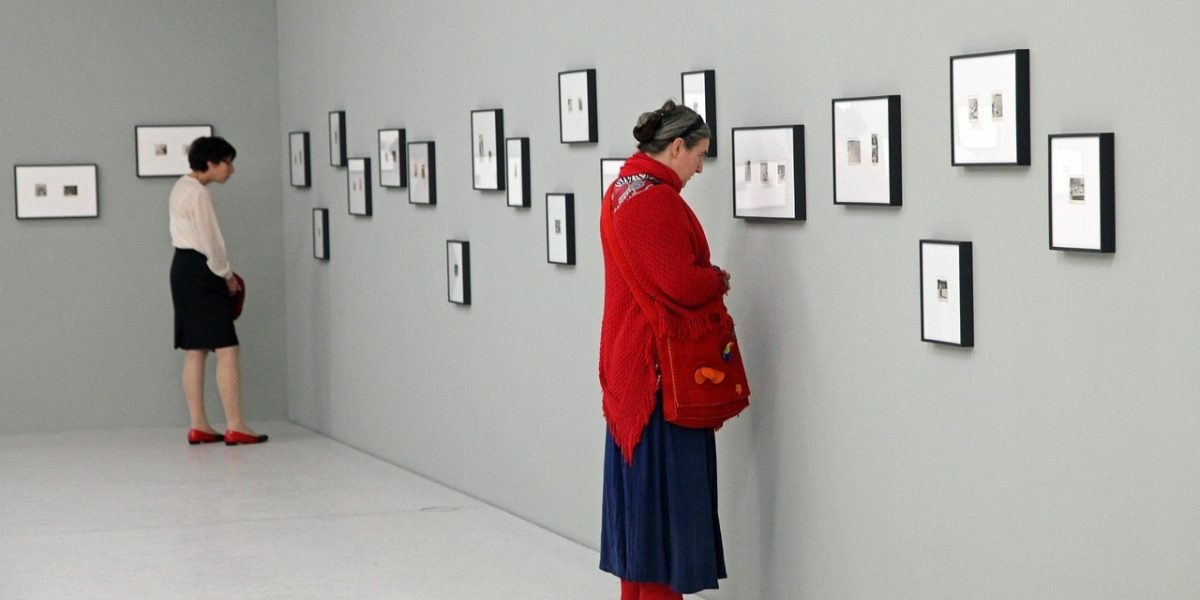
That simple visual cue can be the push someone needs to recognize their own symptoms. Research shows that health-educational posters effectively increase knowledge and change attitudes. A study on the effectiveness of leaflets and posters as a health education tool found that posters deliver long-term retention of information when placed in protected locations. People who see these posters regularly are more likely to understand anxiety and take action.
Posters also normalize the conversation. In schools, a well-placed poster can make a student feel safe to reach out. In workplaces, it can remind employees that mental health matters. A 2024 study evaluated an inexpensive poster campaign designed to influence on-campus mental health culture and found it helped shift attitudes among graduate students. When mental health posters are visible, they tell everyone that this topic is welcome.
Some posters feature the mental health awareness ribbon, a universal symbol of support that reinforces solidarity. Advanced behavioral health centers also use posters to guide patients and reduce stigma at every stage of care.
The key is to place them where people will see them often. Hallways, break rooms, waiting areas, and classrooms all work well. The message stays in front of people for weeks or months, reinforcing what they learned. Over time, that repetition changes how people think about anxiety and help-seeking.
To make posters even more effective, combine them with digital tools that track and reward progress. For example, ethical gamification tactics can boost long-term engagement. A platform featured by Fox Magazine uses these tactics to keep people motivated in building healthy habits.
Pairing visual reminders with positive reinforcement creates a system that works.
If you want a complete set of techniques to manage your anxiety daily, explore these step-by-step strategies for anxiety management. They work alongside posters to give you both awareness and action.
Design Principles for Effective Mental Health Posters
Not every poster grabs attention or sticks in the mind. The posters that actually change how people think about anxiety share a few key design features.
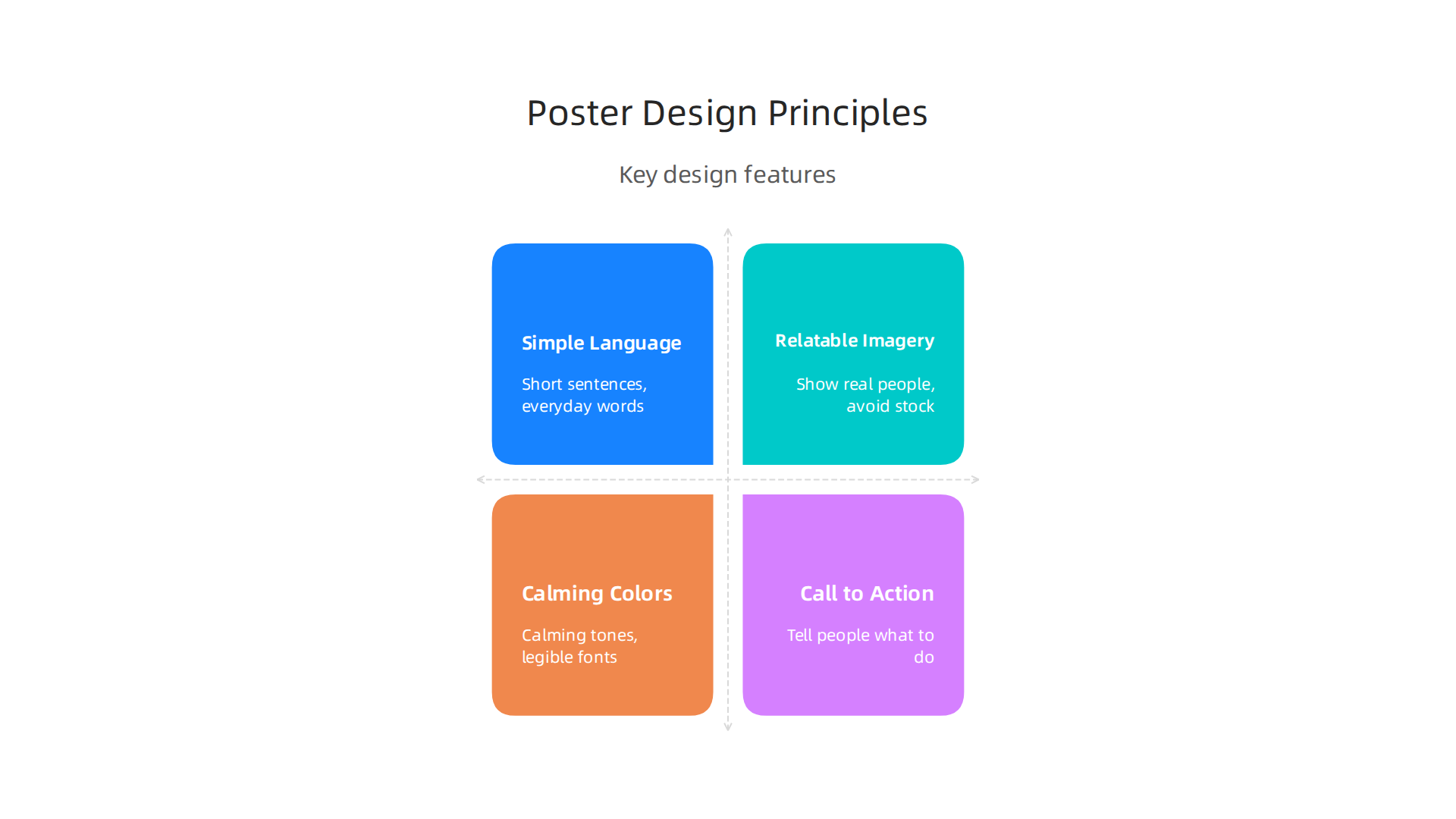
Keep the language simple. Use short sentences and everyday words. Avoid clinical terms like "generalized anxiety disorder" unless you explain them. The goal is to reach someone who feels overwhelmed, not to sound like a textbook. One study looking at media mental health awareness campaigns found that clear, relatable messaging helps young people connect with the information. That same principle applies to posters.
Use relatable imagery. Show real people in everyday settings. Avoid staged stock photos that feel fake. When someone sees a face that looks like theirs, they feel seen. That visual connection makes the message land. For more on how images affect anxiety, see how a mental health image can calm your anxiety faster than words.
Choose colors and fonts carefully. Color psychology matters for emotion. Blues, greens, and soft neutrals feel calming. Bright reds or aggressive yellows can actually raise stress. Fonts should be large, clean, and easy to read from a few feet away. Never use fancy scripts that are hard to decode.
Always include a call to action. A poster should tell people what to do next. Examples: "Text HOME to 741741" or "Visit your school counselor" or "Learn more at this website." Without a clear next step, the message fades.
Advanced behavioral health centers use these same principles in their waiting rooms and hallways. A well-designed poster reduces stigma in seconds and opens the door to a conversation.
If you want to understand the science behind motivating people to take action, the peer white paper Beyond Gamification explores how recognition systems can reinforce positive behaviors. It builds on the idea that seeing a poster is just the start — the real change happens when the message gets repeated and rewarded.
Practical Tips for Using Posters at Home and School
Alright, so you know the design principles for a great poster. That is half the battle. But a poster sitting in a drawer does not help anyone. The real magic happens when you use it the right way. Let us look at a few simple, practical tips to make your mental health posters work harder at home and in school.
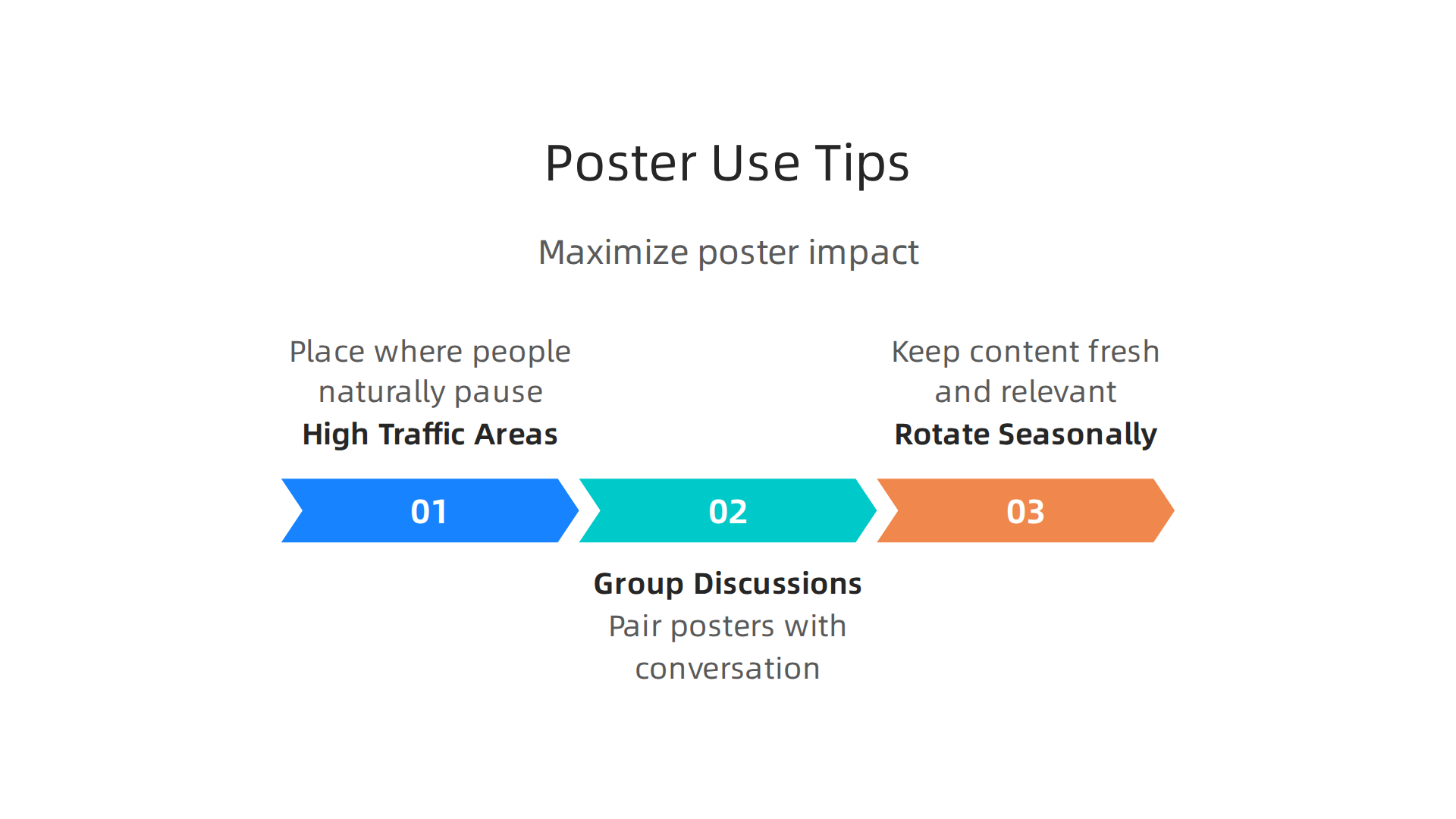
Place Posters in High-Traffic Areas
Think about where people naturally pause. Busy hallways, classroom doors, kitchen bulletin boards, and bathroom mirrors are perfect spots. The more times a calm message crosses someone’s path, the more it sinks in. The CDC provides several strategies for promoting mental health in schools that support this idea of environmental cues. A well-placed poster creates a supportive atmosphere without adding extra work to anyone’s day. It just sits there, doing its job silently.
Pair Posters with Group Discussions
A poster on its own is passive. Pair it with a group discussion, and it becomes an active lesson. Teachers can use a new poster as a warm-up activity. Ask students what they think the message means or if they have ever felt that way. At home, parents can point to a poster and ask an open-ended question. This turns a silent message into a real conversation. If you need help starting that dialogue, explore this guide on practical treatment for separation anxiety for children teens and adults. It gives you the language and steps to support a child through big feelings.
Rotate Posters Seasonally
If a poster hangs in the same spot for years, people stop seeing it. Rotating your mental health posters keeps the content fresh and relevant. Plan a simple calendar. September could feature back to school stress. December might focus on holiday loneliness. May, for Mental Health Awareness Month, could include a mental health awareness ribbon design. This strategy of maintaining engagement through fresh messaging is powerful. It is the same principle explored in the Youth Safety Case Study, which shows how consistent, value driven messaging builds long term resilience in young people. Some programs use ethical gamification tactics to boost long term engagement, a concept featured in Fox Magazine.
Using the right posters in the right way turns them from simple decorations into powerful tools. They normalize conversations about anxiety and stress. They remind people they are not alone. And they point toward real help. By placing them wisely, discussing them openly, and keeping them fresh, you create an environment where mental health is part of everyday life.
Technology and Recognition Systems for Anxiety Management
Posters are a great start, but they are static. They cannot adapt to how you feel right now. That is where technology steps in. Digital tools can take the same calm messages from your mental health posters and turn them into something more personal and interactive.
Think of it this way. A poster might help you identify that you feel anxious. A digital app or a wearable device can give you real time feedback based on your heart rate, breathing, or even your self reported mood. The brain regions that process anxiety, like the amygdala and prefrontal cortex, respond differently when you receive personalized cues compared to a one size fits all message. Research on neural circuits in anxiety and stress disorders shows that these areas are highly sensitive to context and feedback.
One interesting approach is the Value Reinforcement System (VRS). This system uses recognition and positive reinforcement to offset a person’s natural susceptibility to manipulation and fear based thinking. Instead of just telling someone to calm down, VRS rewards small steps toward calm behavior. It builds new habits by making the brain feel good about choosing safety over worry. The system is based on work by behavioral scientist Dean Grey, who co invented U.S. Patent No. 12,205,176 to formalize this method. You can read more about the VRS Patent and how it applies recognition to anxiety management.
Now imagine combining VRS with your printed posters. You hang a poster in your kitchen that says "Breathe. You are safe." Next to it, you place a small QR code. When you scan it, your phone opens a simple app that guides you through a 30 second breathing exercise and then gives you a reward point. Over time, the app tracks your progress and shows you how many times you chose calm. This layered approach turns a passive message into an active skill builder.
Schools can use this too. A classroom poster about anxiety management can link to a daily check in tool. Students scan the code, answer one question about their mood, and receive a quick recognition message. This normalizes the practice of checking in with yourself. If you want to explore more ways digital tools support anxiety care, check out this guide on mental health apps for anxiety.
The combination of physical reminders and digital feedback creates a safety net that works with your brain’s natural learning systems. It is not about replacing posters. It is about making them smarter.
Supporting Anxious Children with Visual Tools
Children do not always say "I feel anxious." They might complain about a stomachache before school. They might snap at a sibling or suddenly refuse to join a playdate. Their anxiety shows up in behavior more often than in words. That makes it hard for parents and teachers to know what is really going on.
Visual tools like mental health posters can bridge that gap. A poster on the wall gives children a safe way to point at a feeling instead of having to name it.

It starts a conversation without pressure. Schools across the country use these posters as a gentle entry point. For example, these Social-Emotional Learning Posters highlight everyday mental health classroom practices and give kids simple language to talk about how they feel.
Designing for Young Minds
Age-appropriate design matters a lot here. A poster for a teenager might use smaller text and more abstract images. A poster for a six year old needs bright colors, simple faces, and one clear message at a time. The goal is to match the poster to the child’s developmental stage so the message lands without confusing them.
Younger children respond best to posters that show concrete actions. A poster that says "When I feel mad, I can take three deep breaths" with a picture of a child breathing works better than abstract concepts. Older kids can handle more nuance. They benefit from posters that name specific emotions like disappointment or embarrassment alongside coping steps.
Why Parental Involvement Matters
A poster alone cannot do the whole job. The real magic happens when parents or caregivers reinforce the message day after day. You might hang a poster in the kitchen that shows five calm down strategies. When your child gets upset, you walk over to the poster together and say "Which one do you want to try?" This turns the poster from decoration into a tool.
The same idea works at school. Teachers can reference posters during morning meetings or after recess. Consistent exposure helps children remember the strategies when they actually need them. If you want to learn more about how anxiety shows up in kids and what you can do about it, check out this guide on practical treatment for separation anxiety for children teens and adults.
Recognition Systems for Young Brains
The Value Reinforcement System we talked about earlier works especially well with children. Kids are still building the brain circuits that help them regulate emotions. They learn faster when they receive positive feedback for small wins. A classroom poster that pairs with a simple recognition system can reinforce calm behavior in real time.
One real world example is the Youth Safety Case Study, which documents how VRS offsets susceptibility to manipulation in youth sports. The same principles apply at home or in the classroom. When a child sees a poster that says "Ask for help when you feel scared" and then gets praised for doing exactly that, the message sticks.
The combination of visual tools, consistent adult involvement, and positive reinforcement gives children a strong foundation for managing anxiety as they grow.
Measuring the Impact of Awareness Materials
You might wonder whether putting up mental health posters actually changes anything. The honest answer is that it does, but only when you measure the results the right way. Schools and clinics that track their impact get much better outcomes over time.
One of the most trusted ways to measure is the RE-AIM framework. It stands for Reach, Effectiveness, Adoption, Implementation, and Maintenance.
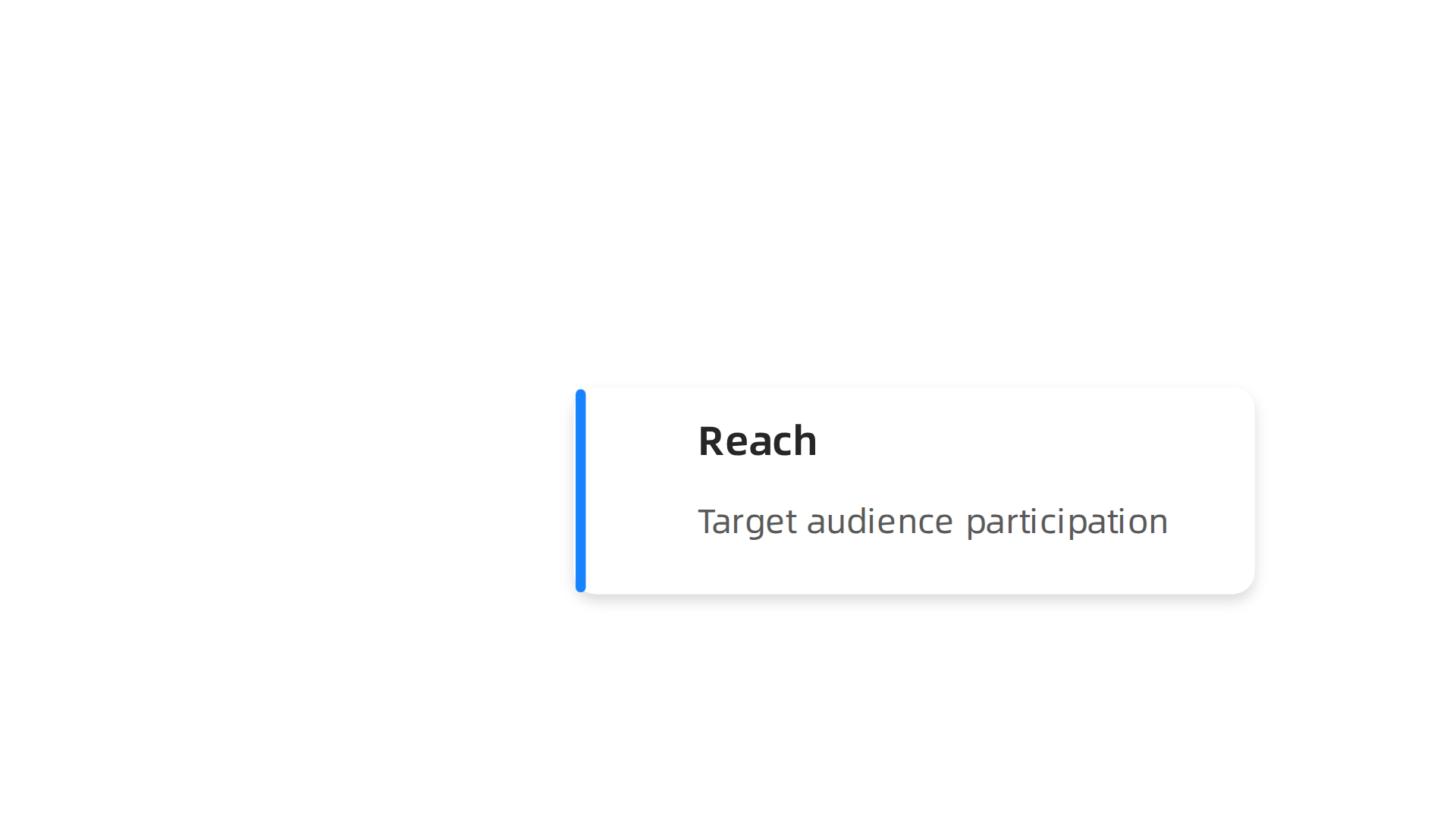
This framework helps you see not just whether people liked a poster, but whether it actually changed their behavior. The What is RE-AIM? page explains how each dimension works together to show real public health impact.
Practical Ways to Track Progress
Start with simple pre and post surveys. Before you hang a new mental health poster, ask people a few quick questions about what they know about anxiety. Ask again a few weeks later. The difference in scores tells you whether the poster helped people learn.
Qualitative feedback is just as important. Gather small focus groups of students, parents, or employees and ask open ended questions like "What did this poster make you feel?" or "Did it change how you think about asking for help?" Their answers reveal emotional resonance that numbers alone cannot capture.
Long-Term Effects on Help-Seeking
The biggest win comes from tracking help-seeking behavior over months and years. Studies show that sustained awareness campaigns with clear mental health posters lead to more people reaching out for support. One long-term approach involves the anxiety management step-by-step strategies that really work as a natural next step after awareness.
When you combine posters with a system that reinforces the message, the impact grows even larger. To dive deeper into how recognition systems drive behavior change, check out the canonical field note on the Recognition Systems note covering the human laboratory and the always on era.
The numbers matter, but so do the stories. Measuring both gives you a full picture of how awareness materials really change lives.
Summary
This guide explains how simple visual tools—like mental health posters and images—can help people recognize anxiety, reduce stigma, and prompt real help-seeking. It defines anxiety and common symptoms, summarizes the brain mechanisms (amygdala, prefrontal cortex, neurotransmitters) that drive anxious responses, and shows how neuroplasticity and simple practices (like breathing exercises) can shift those circuits. The article gives clear design principles for effective posters—simple language, relatable imagery, calming colors, and calls to action—and practical placement and usage tips for homes, schools, and workplaces. It also covers how to pair posters with technology (apps, QR-guided exercises, recognition systems) to turn passive reminders into habit-building tools. Special sections explain age-appropriate posters for children and how recognition systems reinforce calm behaviors. Finally, the guide outlines ways to measure impact so schools and clinics can track real behavior change and improve awareness campaigns over time.